- Commander Nexus
- Archetypes
- Artifacts

Artifacts
An artifacts deck fills the battlefield with artifacts, cards like Sol Ring that stay in play and keep working turn after turn. Played together, they give you extra mana and extra cards. A handful of keywords turn up on artifacts again and again. means you pay a cost to attach an such as Swiftfoot Boots to one of your creatures. If that creature dies, the Equipment does not go to your with it. It stays on the battlefield, and you can pay the cost again to attach it to another creature. means you your own creatures with enough total between them to turn a Vehicle such as Smuggler's Copter into a creature until the end of the turn. A is a you can (put into your graveyard on purpose) for one mana of any color. A token is a game piece that a card makes, not a card from your deck, and Pitiless Plunderer is one card that makes Treasures. makes a spell like Frogmite cheaper for each artifact you control. brings a card like Combat Courier back from your graveyard for one turn, and then it is exiled. creatures like Arcbound Ravager enter with +1/+1 and pass them to another artifact creature when they die.
- KindArchetype
- Cards644
An archetype is a whole game plan: the way a deck tries to win.
How it plays
stay on the battlefield and keep working turn after turn, so you build a pile of them: like Sol Ring for extra mana, cards that draw when an artifact enters, and creatures that grow with each artifact you control. Many of your cards are cheaper when you have lots of artifacts, so the pile grows faster the bigger it gets.
How it wins
Usually with one big artifact creature or a swarm of artifact , made bigger by cards that count your artifacts. The extra mana also lets you two or three spells a turn while everyone else casts one.
What beats it
A card that destroys every artifact at once undoes the whole pile, and most of your mana with it. Cards that stop artifacts from untapping, or make them cost more, slow you to a crawl.
If this is your first deck
Good for a first deck if you like building things up. The rules on and take a game or two to learn, but nothing here is hidden.
Commanders to Start With
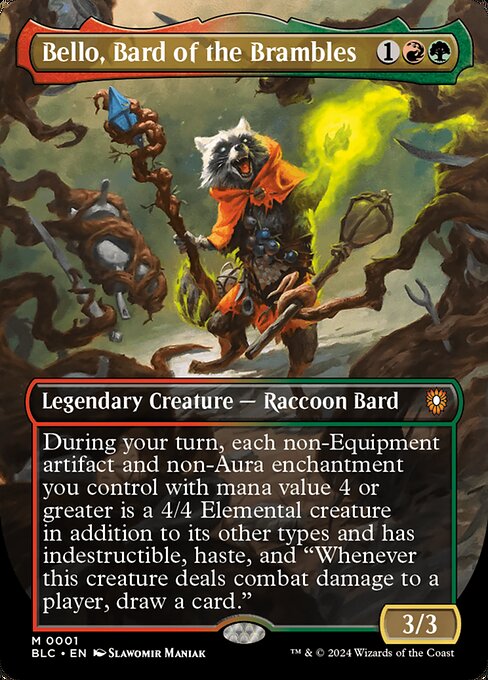
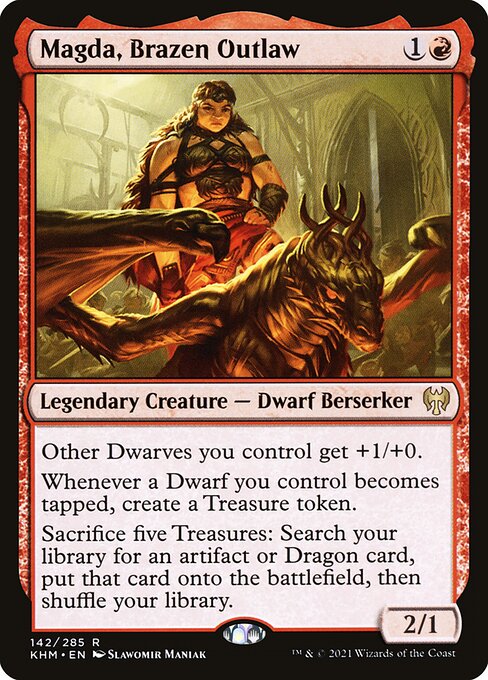
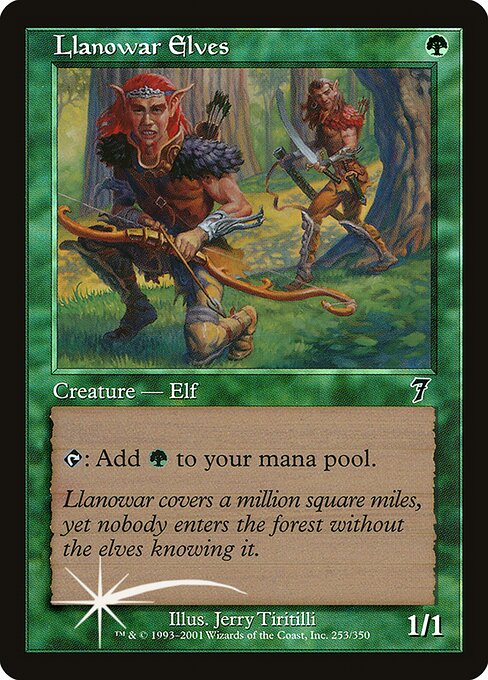
The most played commanders where Artifacts is one of their two main plans, in order from EDHREC, a site that counts the Commander decks players post online.

 Open the full glossaryGraveyardThe discard pile. Cards that are destroyed, discarded or used up go here. In Commander plenty of cards bring them back, which is why graveyards are a resource rather than a bin.Open the full glossaryCrewHow you drive a Vehicle. Tap any of your untapped creatures whose power adds up to at least the number after Crew, and the Vehicle becomes a creature until the end of the turn, so it can attack or block.
 Open the full glossaryPowerThe first of the two numbers in a creature's bottom-right corner. It is how much damage that creature deals when it fights or attacks.Open the full glossaryTreasureA token you can sacrifice for one mana of any color. Many cards make Treasure, and it is mana you can save for a later turn.
 Open the full glossaryAffinityA keyword that makes a spell cheaper for each permanent of a given kind you control, most often artifacts.Open the full glossaryUnearthLets you return a creature from your graveyard to the battlefield for a single turn. It can attack straight away, and it is exiled at the end of the turn or if it would leave the battlefield.
 Open the full glossaryModularAn ability on some artifact creatures: they enter with +1/+1 counters on them, and when one dies you can move those counters onto another artifact creature.
 Open the full glossaryEquipmentAn artifact you attach to one of your creatures to make it stronger or give it an ability. If that creature leaves, the Equipment stays on the battlefield, and you can move it to another creature by paying its equip cost.
 Open the full glossaryTapTo tap a permanent is to turn it sideways, usually to pay a cost such as making mana or attacking. A tapped permanent cannot be tapped again until it untaps.
 Open the full glossaryTokenA permanent that is not a card. Tokens are made by other cards' effects, and a token that leaves the battlefield stops existing. Creature tokens, Treasures and Clues are all tokens.
 Open the full glossarySacrificeTo put one of your own permanents into your graveyard because a card tells you to or lets you. You can only sacrifice things you control, and it does not count as destroying them, so effects that stop a card from being destroyed do not stop it.
 Open the full glossaryCounterTwo different things share this word. A counter is a small marker placed on a card, such as a +1/+1 counter. To counter a spell is to stop it resolving while it is still on the stack.Open the full glossaryMana RockAn artifact that taps to produce mana, such as Sol Ring or Arcane Signet. Called a "rock" to distinguish it from a creature that makes mana, which is a "mana dork".Open the full glossaryArtifactsAn artifacts deck fills the battlefield with artifacts, cards like Sol Ring that stay in play and keep working turn after turn. Played together, they give you extra mana and extra cards. A handful of keywords turn up on artifacts again and again. Equip means you pay a cost to attach an Equipment such as Swiftfoot Boots to one of your creatures. If that creature dies, the Equipment does not go to your graveyard with it. It stays on the battlefield, and you can pay the cost again to attach it to another creature. Crew means you tap your own creatures with enough total power between them to turn a Vehicle such as Smuggler's Copter into a creature until the end of the turn. A Treasure is a token you can sacrifice (put into your graveyard on purpose) for one mana of any color. A token is a game piece that a card makes, not a card from your deck, and Pitiless Plunderer is one card that makes Treasures. Affinity makes a spell like Frogmite cheaper for each artifact you control. Unearth brings a card like Combat Courier back from your graveyard for one turn, and then it is exiled. Modular creatures like Arcbound Ravager enter with +1/+1 counters and pass them to another artifact creature when they die.Open the full glossaryCastTo cast a spell is to put it on the stack and pay its cost, usually from your hand. Playing a land is not casting, and a copy of a spell is not cast either.Open the full glossary