- Commander Nexus
- Archetypes
- Cascade/Free Cast

Cascade/Free Cast
Cascade decks extra spells for free, straight from the top of their deck, every time they cast the right card. turns over cards from the top of your until it hits a cheaper spell, which you may cast without paying for it.
- KindArchetype
- Cards469
An archetype is a whole game plan: the way a deck tries to win.
How it plays
turns over cards from the top of your until it hits a cheaper spell, which you for free. You play spells with cascade and cards that let you cast others without paying, so every spell you cast brings another with it.
How it wins
By far more than your mana should allow. A turn of three spells is six spells, and some of the free ones are big. The win comes from sheer weight of cards.
What beats it
on the spell stop the free spell too. Cards that make spells cost more do not stop cascade, but they slow the spells that start it.
If this is your first deck
A second deck. The random free spell is exciting, but you need to know your deck well enough to build it so that every free spell is a good one.
Commanders to Start With
The most played commanders where Cascade/Free Cast is one of their two main plans, in order from EDHREC, a site that counts the Commander decks players post online.
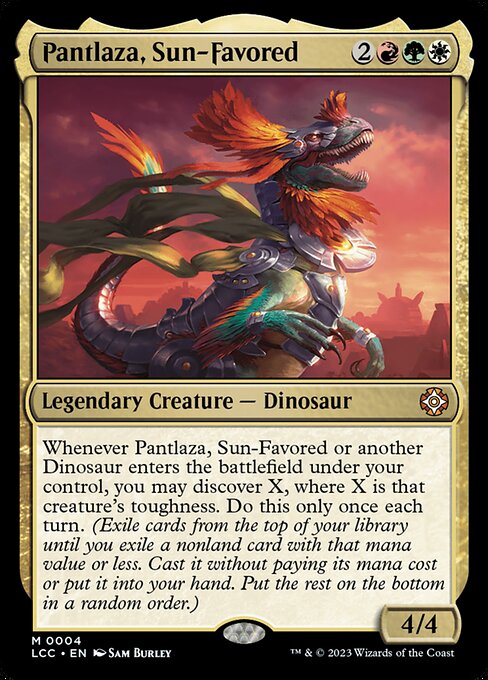
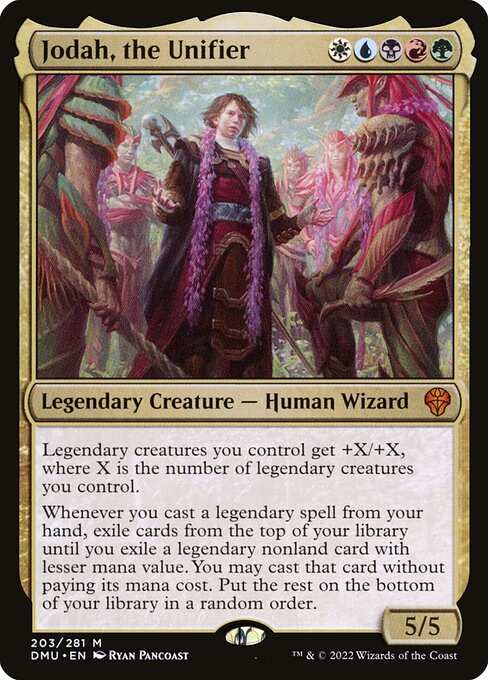

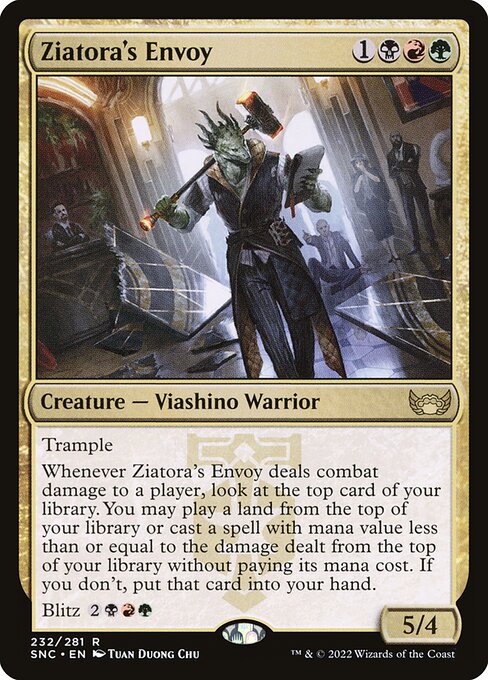
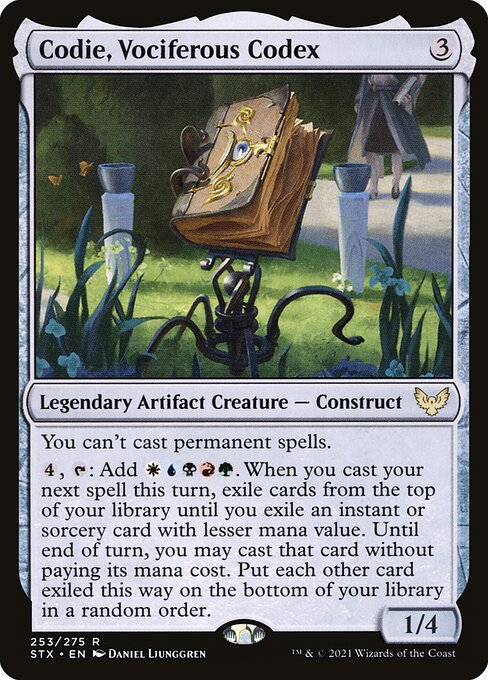
Example Cards


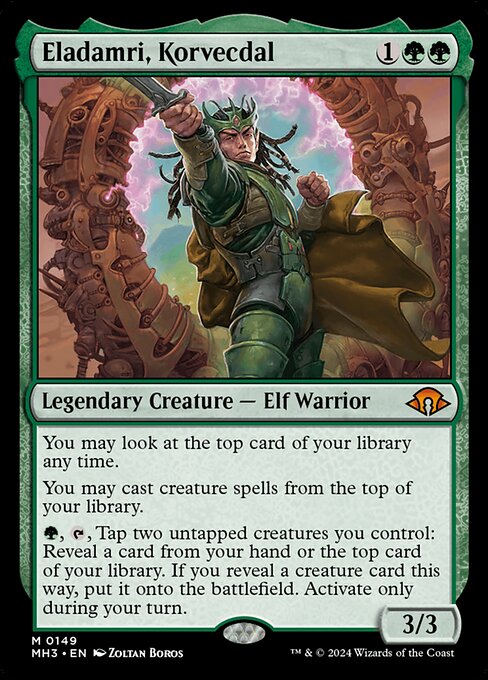
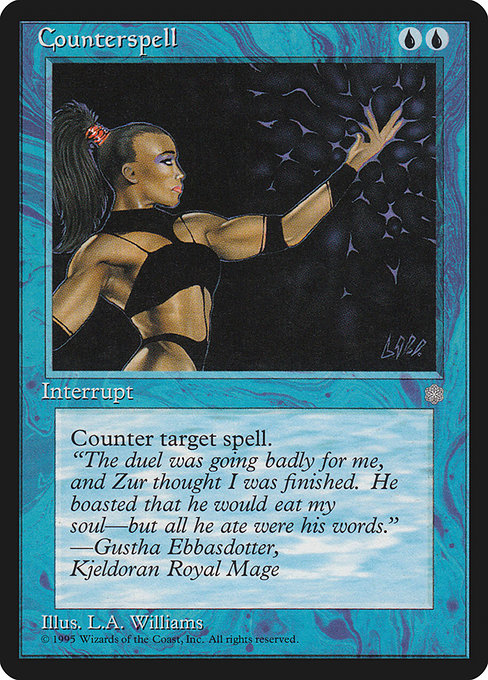
 Open the full glossaryCastTo cast a spell is to put it on the stack and pay its cost, usually from your hand. Playing a land is not casting, and a copy of a spell is not cast either.Open the full glossaryLibraryYour deck once the game has started: the face-down pile you draw from. A card that says "search your library" lets you look through it for a card.Open the full glossaryCasting (short for Cast)To cast a spell is to put it on the stack and pay its cost, usually from your hand. Playing a land is not casting, and a copy of a spell is not cast either.Open the full glossaryCounterspellA spell whose job is to counter another spell: it stops that spell while it is still on the stack, so it does nothing and goes to the graveyard. The name comes from the card Counterspell, the classic example.
 Open the full glossary