- Commander Nexus
- Archetypes
- Voltron

Voltron
decks load one creature, usually the , with and until it can win by attacking on its own. In Commander, a player dealt 21 or more combat damage by the same commander over the game loses, so one huge commander can knock a player out.
- KindArchetype
- Cards960
- Good first deck?Yes
Pile swords, armor, and magic onto one creature (usually your commander) until it wins the game on its own.
An archetype is a whole game plan: the way a deck tries to win.
How it plays
You put your on the table early, then pile and onto it until it is huge and hard to block. The rest of the deck protects it with cards that give or save it from .
How it wins
By damage. A player who takes 21 or more combat damage from the same commander over the game loses, no matter their life total. One big commander hitting for 11 twice is a win against that player.
What beats it
aimed at the : it returns to the , but it costs more each time and the has to be re-attached. Blockers with and cards that force a player to a creature are cheap answers to an expensive .
If this is your first deck
A great first deck. One creature, one plan, and a clear question every turn: is my big enough to attack yet?
Commanders to Start With
The most played commanders where Voltron is one of their two main plans, in order from EDHREC, a site that counts the Commander decks players post online.

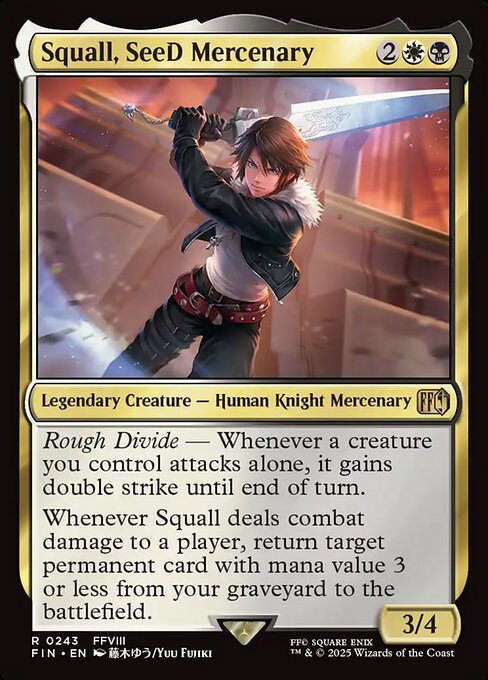

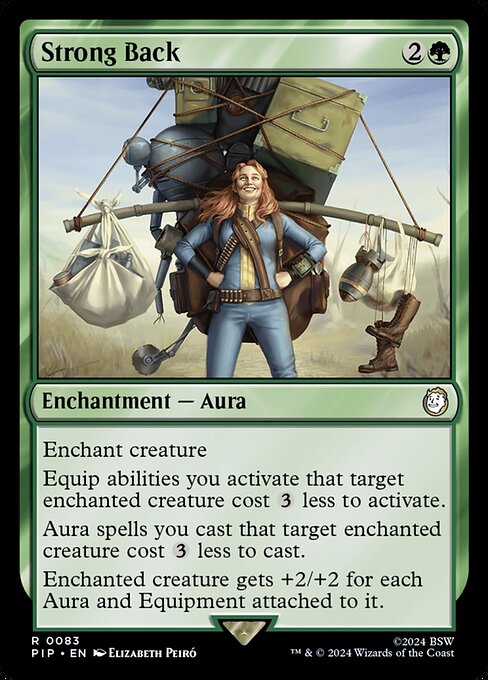
Example Cards

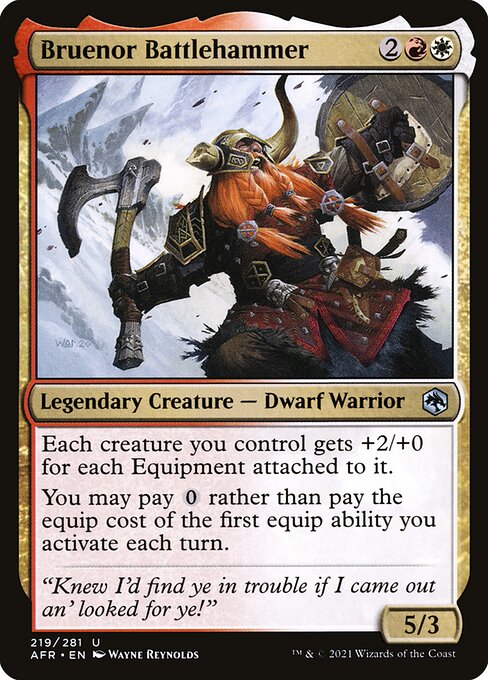


 Open the full glossaryEquipmentAn artifact you attach to one of your creatures to make it stronger or give it an ability. If that creature leaves, the Equipment stays on the battlefield, and you can move it to another creature by paying its equip cost.
 Open the full glossaryAuraAn enchantment that attaches to something, usually a creature, and changes it for as long as it stays attached. If the creature it is on leaves the battlefield, the Aura goes to the graveyard.
 Open the full glossaryHexproofA permanent with hexproof cannot be the target of spells or abilities your opponents control. It can still be hit by effects that do not target, such as a board wipe or an edict.Open the full glossaryRemovalSpells or abilities that destroy, exile, or bounce your opponents' cards.Open the full glossaryDeathtouchAny amount of damage from a creature with deathtouch is enough to destroy the creature it damages, however high that creature's toughness is.Open the full glossaryCommand ZoneThe area where your commander sits outside the game. It starts there, and returns there whenever it would die, be exiled, or go to your hand or deck. That is why neutralising a commander is often better than destroying it.Open the full glossarySacrificeTo put one of your own permanents into your graveyard because a card tells you to or lets you. You can only sacrifice things you control, and it does not count as destroying them, so effects that stop a card from being destroyed do not stop it.
 Open the full glossaryThreatA card or permanent someone has to deal with or it will win or wreck the game, like a huge attacker. A spell that deals with one is called an answer.Open the full glossary