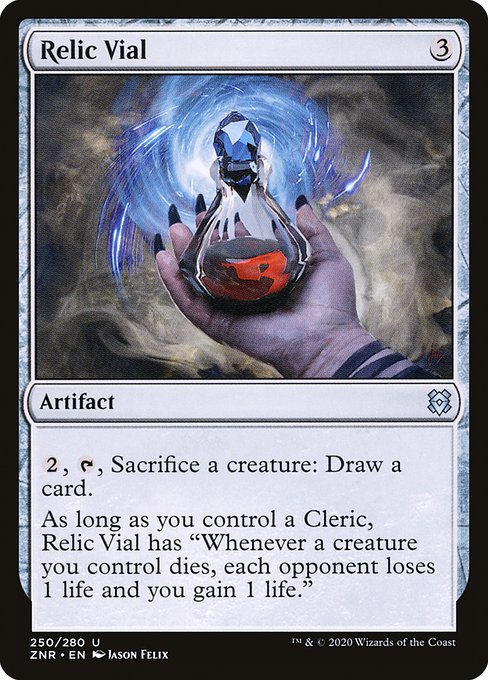
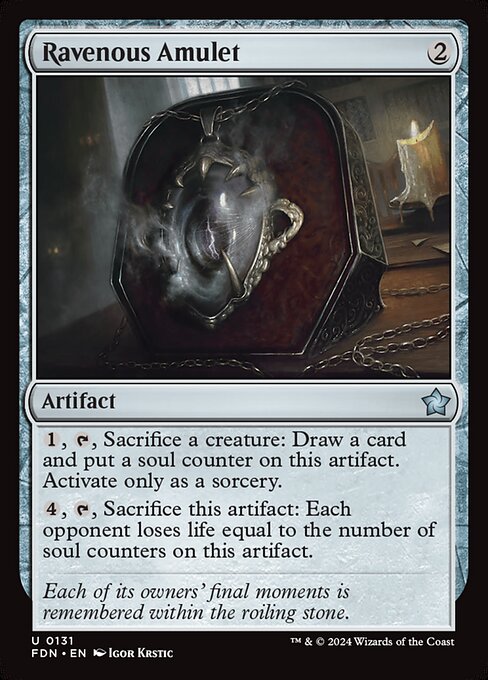
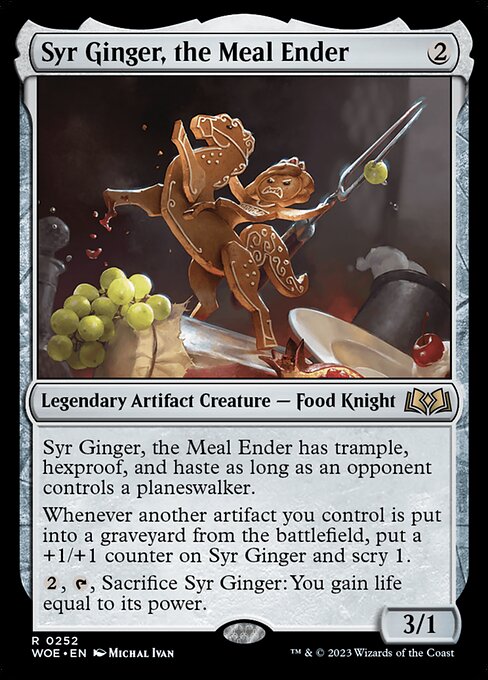
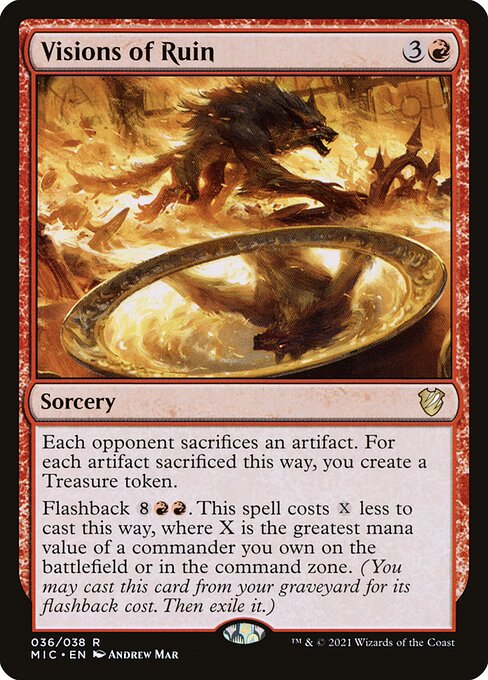
Picked for what they do in Denethor's deck. When two cards do the same job, the one with the lower comes first. All of them fit Denethor's color identity.Mana ValueThe total amount of mana a card costs, all added up. A card costing two generic and one green has a mana value of three. Wizards renamed this from "converted mana cost" in 2021, so older cards and articles may still use the old name.Open the full glossary
explain how Denethor works in tricky situations. They come from Wizards of the Coast, the company that makes Magic.RulingThe official answer to how a card works in a tricky situation. Most rulings are written by Wizards of the Coast, the company that makes Magic, and a few are notes from Scryfall, the card database Magic players use. A ruling explains a card. It does not change what the card says.Open the full glossary
Wizards of the Coast16 Jun 2023
If combat damage dealt to the monarch causes that player to lose the game, the triggered ability that causes the controller of the attacking creature to become the monarch doesn't resolve. In most cases, the controller of the attacking creature will still become the monarch as it is likely their turn.
Wizards of the Coast16 Jun 2023
If the monarch leaves the game during another player's turn, that player becomes the monarch. If the monarch leaves the game during their turn, the next player in turn order becomes the monarch.
Wizards of the Coast16 Jun 2023
If the triggered ability that causes the monarch to draw a card goes on the stack and a different player becomes the monarch before that ability resolves, the first player will still draw the card.
Wizards of the Coast16 Jun 2023
The game starts with no monarch. Once an effect makes one player the monarch, the game will have exactly one monarch from that point forward. As a player becomes the monarch, the current monarch (if any) ceases being the monarch.
Wizards of the Coast16 Jun 2023
There are two inherent triggered abilities associated with being the monarch. These triggered abilities have no source and are controlled by the player who was the monarch at the time the abilities triggered. The full texts of these abilities are "At the beginning of the monarch's end step, that player draws a card" and "Whenever a creature deals combat damage to the monarch, its controller becomes the monarch."
Color identityEvery color of mana symbol on a card, in its cost and in its rules text. Your commander's color identity sets the limit for your whole deck: every other card has to fit inside it. A deck led by a green and white commander cannot play a card with any blue in its color identity.Open the full glossaryURPlayers write colors as letters: U for blue, R for red. Blue is U because B was already taken by black.PoliticsPolitics decks turn opponents against each other, making their creatures attack someone else or letting the whole table vote. Goad is the most common tool: a goaded creature must attack, and must attack someone other than you if it can.Open the Politics pageMonarchBeing the monarch means you draw an extra card at the end of each of your turns. Deal combat damage to the monarch and the title passes to you.Open the Monarch pageMana SinkGives you somewhere useful to spend spare mana, usually through an ability you can activate again and again. Rogue's Passage, Mind StoneOpen the Mana Sink pageETB ValueDoes something useful the moment it arrives: an enter the battlefield ability, which players shorten to ETB. You keep that effect even if the card is removed straight afterwards, which is why these pair so well with flicker cards that make them enter again. Solemn Simulacrum, The One RingOpen the ETB Value pageBurnDeals damage directly, to creatures or to players. Because it can hit a player as easily as a creature, the same card can remove a blocker or finish off an opponent. Lightning Bolt, Blasphemous ActOpen the Burn pageAristocratsAristocrats decks sacrifice their own creatures on purpose and profit every time one dies, often by draining life from each opponent. A sacrifice outlet, a card that lets you sacrifice whenever you like, decides when that happens.Open the Aristocrats pageSacrifice OutletA permanent that lets you sacrifice your own creatures or artifacts whenever you want, usually for free. Every Aristocrats deck needs one, because cards that reward a creature dying only help if you choose when it dies. Ashnod's Altar, Viscera SeerOpen the Sacrifice Outlet pageDamage RemovalRemoves creatures by dealing damage to them rather than by destroying them outright. This includes fight cards, where your creature deals the damage. Damage only kills a creature if it at least equals its toughness, so it can miss the biggest ones, and it does not kill a creature that cannot be destroyed. Lightning Bolt, Rabid Bite, PyroclasmOpen the Damage Removal pageCard SelectionImproves what you draw rather than how much: you look at the top few cards of your library and decide what stays on top. Ponder lets you rearrange the top three, Serum Visions lets you scry, and Consider lets you surveil. It makes your draws more reliable without giving you extra cards.Open the Card Selection pageSacrificeSacrifice decks give up their own creatures, Treasures and other cards on purpose and get something back each time. A sacrifice outlet, a card that lets you sacrifice whenever you want, is the heart of the deck.Open the Sacrifice page
Send Us Feedback
What works, what's confusing, what you wish the site did. We read every one.
Not signed in? That is fine. We only keep what you write.
Optional. We only use it to reply to you.
Can we use Google Analytics cookies?
They show us which pages help people. No ads.
Privacy Policy


 ,
 , Sacrifice Denethor: Target player becomes the monarch. Denethor deals 3 damage to any target.
 Open the full glossary