- Commander Nexus
- Commanders
- The Ur-Dragon
Command zone

The Ur-Dragon
Legendary Creature — Dragon Avatar
The Ur-Dragon wants a deck that is built around one creature type, like Elves or Dragons. It leads the ready-made Draconic Domination deck (2017).
- Mana cost


- All five colors ()
- Power / toughness10 / 10
- RarityMythic
Eminence — As long as The Ur-Dragon is in the command zone or on the battlefield, other Dragon spells you cast cost  less to cast.
Flying
Whenever one or more Dragons you control attack, draw that many cards, then you may put a permanent card from your hand onto the battlefield.
Build a deck with The Ur-Dragon Find it in the app
- Archetypes
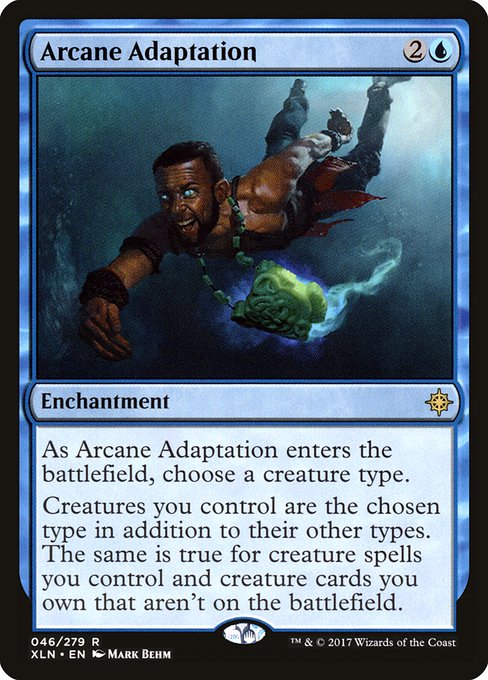
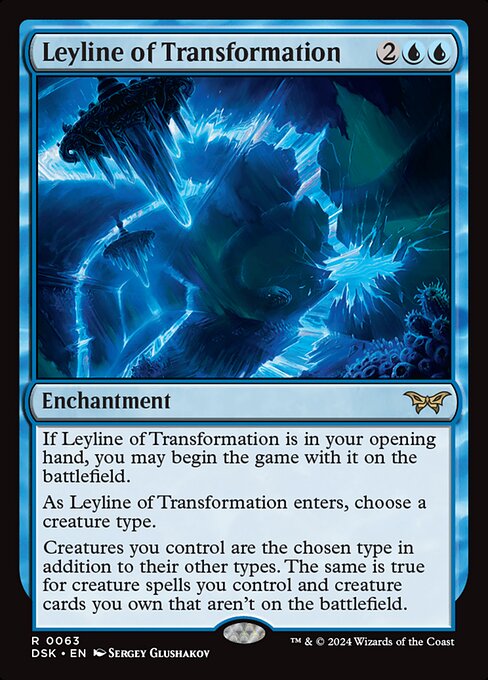
Cards That Fit The Ur-Dragon
Picked for what they do in The Ur-Dragon's deck. When two cards do the same job, the one with the lower comes first. All of them fit The Ur-Dragon's color identity.Mana ValueThe total amount of mana a card costs, all added up. A card costing two generic and one green has a mana value of three. Wizards renamed this from "converted mana cost" in 2021, so older cards and articles may still use the old name. Open the full glossary
plan6




plan6







Decks Led by The Ur-Dragon
The Ur-Dragon leads a ready-made deck.PreconShort for preconstructed deck: a ready-to-play deck sold in a box by Wizards of the Coast. A Commander precon comes with its commander and all 100 cards, so you can play it straight away and change cards later.Open the full glossary
-
 Draconic DominationOfficial precon
All 100 Cards
Commander · 1
Creatures · 32
- 1×Atarka, World Render
- 1×Bladewing the Risen
- 1×Boneyard Scourge
- 1×Broodmate Dragon
- 1×Crosis, the Purger
- 1×Deathbringer Regent
- 1×Dragonlord's Servant
- 1×Dragonspeaker Shaman
- 1×Dromoka, the Eternal
- 1×Hellkite Charger
- 1×Intet, the Dreamer
- 1×Kolaghan, the Storm's Fury
- 1×Niv-Mizzet, Dracogenius
- 1×O-Kagachi, Vengeful Kami
- 1×Ojutai, Soul of Winter
- 1×Orator of Ojutai
- 1×Ramos, Dragon Engine
- 1×Ryusei, the Falling Star
- 1×Savage Ventmaw
- 1×Scalelord Reckoner
- 1×Scion of the Ur-Dragon
- 1×Scourge of Valkas
- 1×Silumgar, the Drifting Death
- 1×Spellbound Dragon
- 1×Steel Hellkite
- 1×Sunscorch Regent
- 1×Taigam, Ojutai Master
- 1×Teneb, the Harvester
- 1×Territorial Hellkite
- 1×Tyrant's Familiar
- 1×Utvara Hellkite
- 1×Wasitora, Nekoru Queen
Sorceries · 9
Artifacts · 11
Enchantments · 10
Lands · 37
- 1×Arcane Sanctum
- 1×Command Tower
- 1×Crucible of the Spirit Dragon
- 1×Crumbling Necropolis
- 3×Forest
- 1×Frontier Bivouac
- 1×Haven of the Spirit Dragon
- 3×Island
- 1×Jungle Shrine
- 6×Mountain
- 1×Mystic Monastery
- 1×Nomad Outpost
- 1×Opulent Palace
- 1×Path of Ancestry
- 3×Plains
- 1×Sandsteppe Citadel
- 1×Savage Lands
- 1×Seaside Citadel
- 3×Swamp
- 1×Vivid Crag
- 1×Vivid Creek
- 1×Vivid Grove
- 1×Vivid Marsh
- 1×Vivid Meadow
Rulings for The Ur-Dragon
explain how The Ur-Dragon works in tricky situations. They come from Wizards of the Coast, the company that makes Magic.RulingThe official answer to how a card works in a tricky situation. Most rulings are written by Wizards of the Coast, the company that makes Magic, and a few are notes from Scryfall, the card database Magic players use. A ruling explains a card. It does not change what the card says.Open the full glossary
If a Dragon you control enters the battlefield attacking, it won’t cause The Ur-Dragon’s last ability to trigger.
The Ur-Dragon’s triggered ability resolves after all attackers have been chosen. You can’t attack with some Dragons, put a creature card with haste onto the battlefield, and then attack with that creature. Similarly, any “whenever a creature attacks” abilities of the permanent card you put onto the battlefield won’t trigger.
You draw one card for each Dragon you controlled that attacked, even if some of them left the battlefield before The Ur-Dragon’s triggered ability resolves.
You may only put one permanent card from your hand onto the battlefield, no matter how many Dragons you attacked with or how many players they attacked.
4 rulings, all written by Wizards of the Coast. Read the originals on Gatherer ↗
Similar Commanders
Commanders that share the most with The Ur-Dragon, and what they share.