- Commander Nexus
- Archetypes
- Big Mana

Big Mana
decks build up far more mana than usual, then spend it on huge spells. Some are X spells, which have X in their cost and get stronger the more mana you put in.
- KindArchetype
- Cards613
- Good first deck?Yes
Grow extra lands and mana fast, then drop giant monsters your opponents can't answer.
An archetype is a whole game plan: the way a deck tries to win.
How it plays
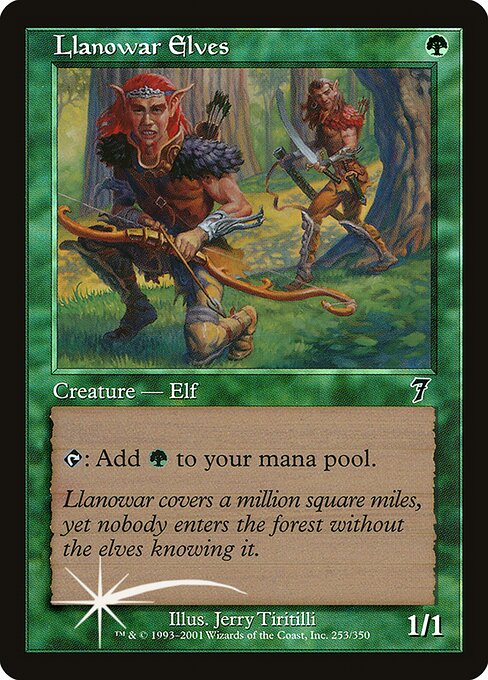
You spend your first turns making more mana than anyone else: extra lands, , creatures that for mana (). Then you spells that cost eight, ten or twelve mana, and X spells that get bigger the more mana you put into them.
How it wins
With creatures and spells so big that opponents cannot answer them. One giant creature with attacking each turn, or an X spell that deals twenty damage, ends the game.
What beats it
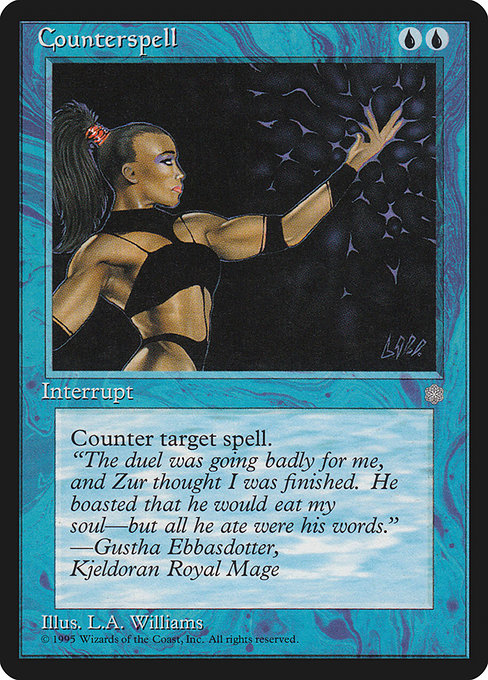
Cards that destroy lands or , and on your one big spell. A fast deck can win before your mana is ready.
If this is your first deck
A good first deck. Making mana and big things is the most satisfying way to learn the game, and the plan is easy to follow.
Commanders to Start With
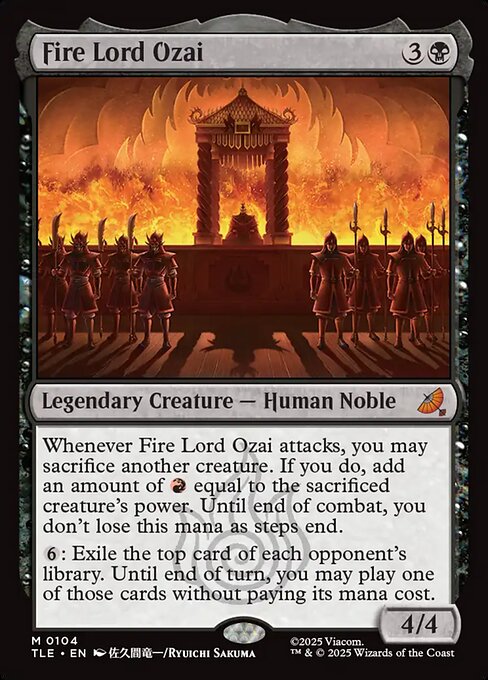
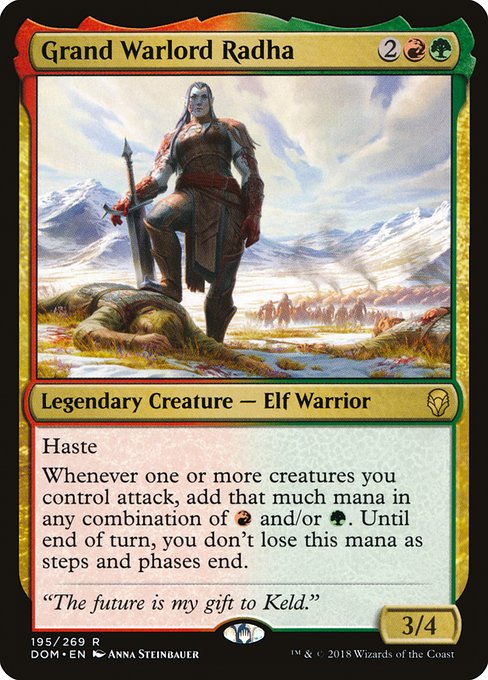
The most played commanders where Big Mana is one of their two main plans, in order from EDHREC, a site that counts the Commander decks players post online.


Example Cards




 Open the full glossaryCastTo cast a spell is to put it on the stack and pay its cost, usually from your hand. Playing a land is not casting, and a copy of a spell is not cast either.Open the full glossaryTrampleIf a creature with trample is blocked, damage beyond what is needed to destroy its blockers spills over to the defending player.Open the full glossaryCounterspellA spell whose job is to counter another spell: it stops that spell while it is still on the stack, so it does nothing and goes to the graveyard. The name comes from the card Counterspell, the classic example.
 Open the full glossaryCasting (short for Cast)To cast a spell is to put it on the stack and pay its cost, usually from your hand. Playing a land is not casting, and a copy of a spell is not cast either.Open the full glossary