- Commander Nexus
- Commanders
- Arachne, Psionic Weaver
Command zone

Arachne, Psionic Weaver
Legendary Creature — Spider Human Hero
Arachne wants a deck that plays small creatures that make life hard for opponents. It also suits a deck that slows the whole table down with rules everyone must follow.
- Mana cost


- White ()
- Power / toughness3 / 3
- RarityRare
Web-slinging (You may cast this spell for if you also return a tapped creature you control to its owner's hand.)
As Arachne enters, look at an opponent's hand, then choose a card type other than creature.
Spells of the chosen type cost  more to cast.
Build a deck with Arachne Find it in the app
- Archetypes
Cards That Fit Arachne, Psionic Weaver
Picked for what they do in Arachne's deck. When two cards do the same job, the one with the lower comes first. All of them fit Arachne's color identity.Mana ValueThe total amount of mana a card costs, all added up. A card costing two generic and one green has a mana value of three. Wizards renamed this from "converted mana cost" in 2021, so older cards and articles may still use the old name. Open the full glossary
plan6
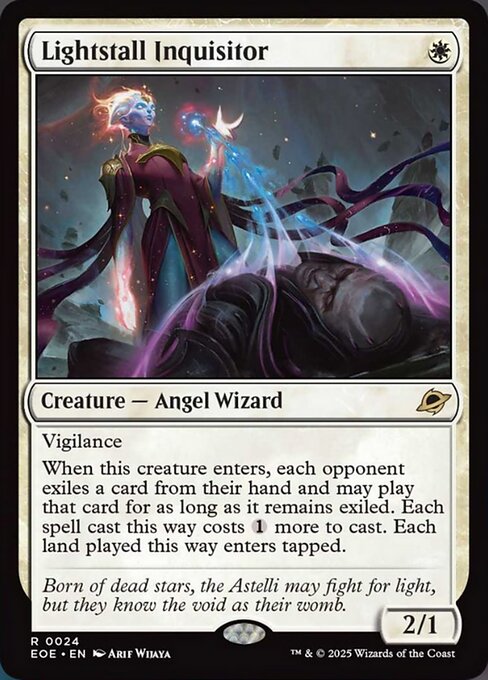
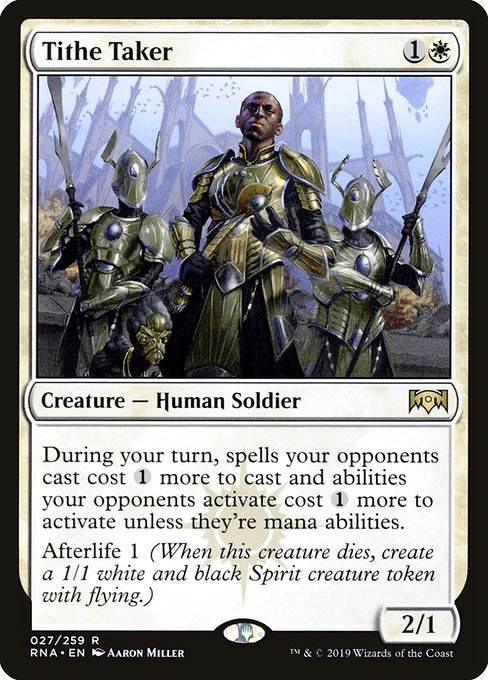
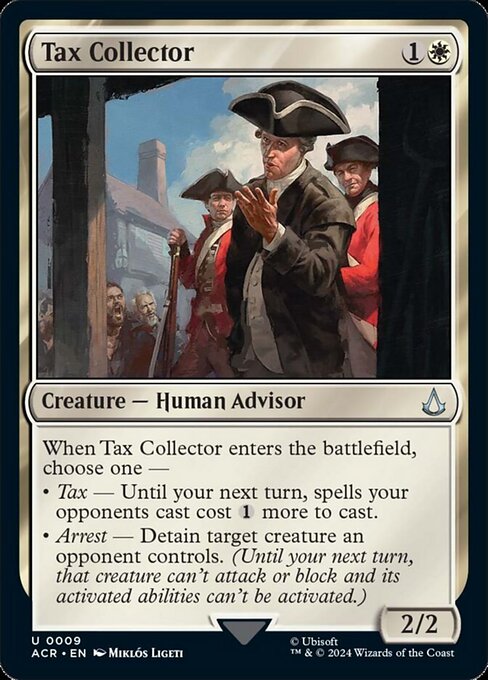


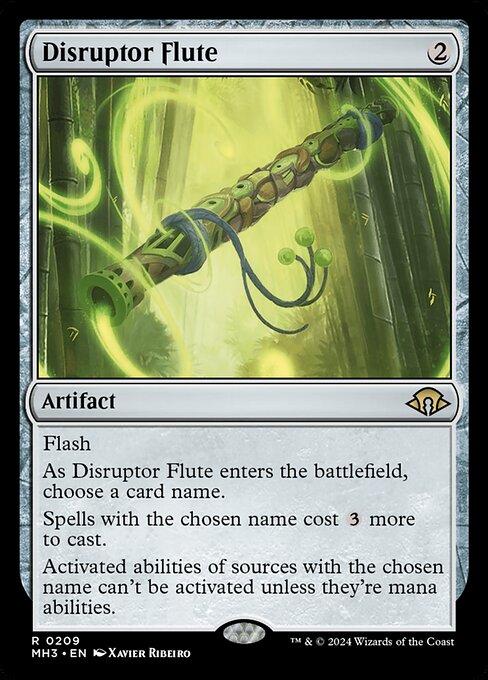
plan6
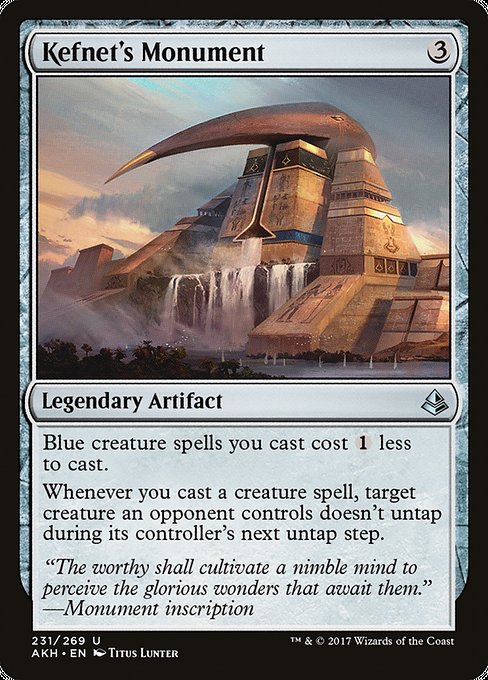
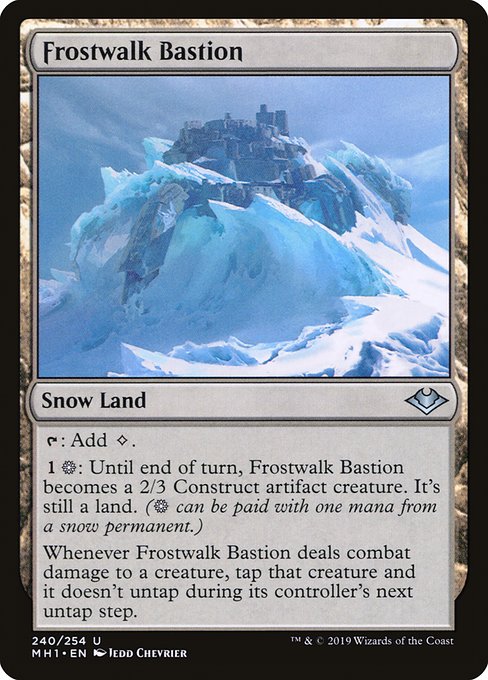


Rulings for Arachne, Psionic Weaver
explain how Arachne works in tricky situations. They come from Wizards of the Coast, the company that makes Magic.RulingThe official answer to how a card works in a tricky situation. Most rulings are written by Wizards of the Coast, the company that makes Magic, and a few are notes from Scryfall, the card database Magic players use. A ruling explains a card. It does not change what the card says.Open the full glossary
Card types other than creature include artifact, battle, enchantment, instant, kindred, planeswalker, and sorcery. Technically, you could also choose land, but lands are never cast, so doing so would have no effect. (The same is true for card types that don't appear in most games, like plane or scheme.)
If any permanent has an ability that triggers when the permanent you return leaves the battlefield, that ability will be put on the stack after you finish casting the spell, and it will resolve before that spell.
The creature you return must be tapped at the time you pay costs, but doesn't necessarily need to be tapped before you start casting the spell. For example, if you tap a creature with a mana ability to pay part of the spell's web-slinging cost, you could also return that creature to your hand to pay the cost.
Web-slinging represents an alternative cost. If another effect allows you to play a card for a different alternative cost, including "without paying its mana cost," you can't also choose to pay its web-slinging cost. If any additional costs from other sources are applied, you must pay those.
You can't choose a subtype, such as creature types like Spider or Hero, artifact types like Treasure or Food, or enchantment types like Aura.
You must follow all normal timing rules when casting a spell with web-slinging. For creatures, that usually means you must cast it during a main phase of your turn while the stack is empty.
6 rulings, all written by Wizards of the Coast. Read the originals on Gatherer ↗
Similar Commanders
Commanders that share the most with Arachne, and what they share.


