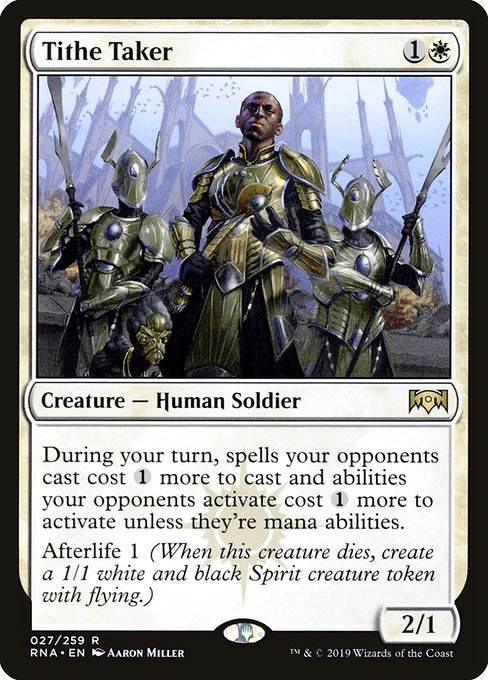
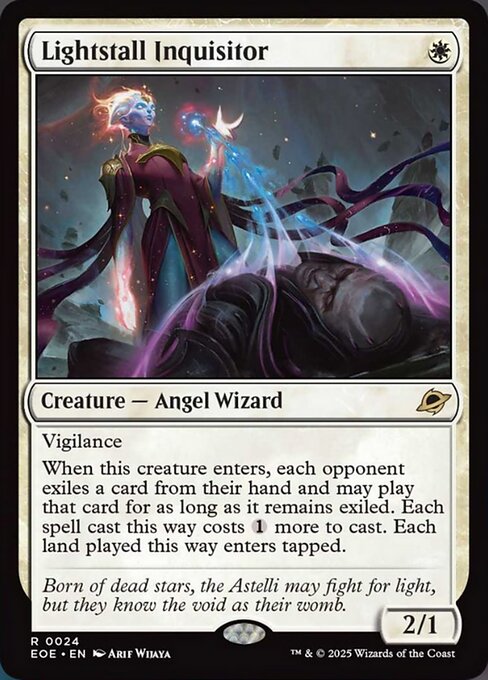
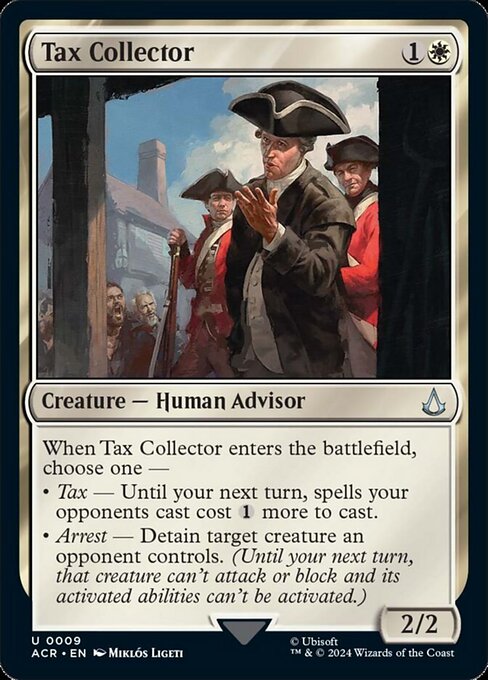
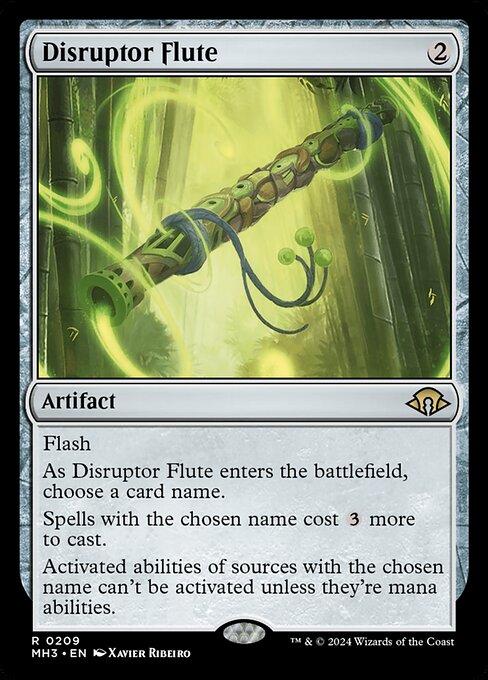
Thalia, the Survivor wants a deck that plays small creatures that make life hard for opponents. It also suits a deck that slows the whole table down with rules everyone must follow.
Mana cost
White ()
Power / toughness3 / 4
RarityUncommon
Lifelink
Noncreature spells your opponents cast cost more to cast.
Picked for what they do in Thalia's deck. When two cards do the same job, the one with the lower comes first. All of them fit Thalia's color identity.Mana ValueThe total amount of mana a card costs, all added up. A card costing two generic and one green has a mana value of three. Wizards renamed this from "converted mana cost" in 2021, so older cards and articles may still use the old name.Open the full glossary
explain how Thalia works in tricky situations. They come from Wizards of the Coast, the company that makes Magic.RulingThe official answer to how a card works in a tricky situation. Most rulings are written by Wizards of the Coast, the company that makes Magic, and a few are notes from Scryfall, the card database Magic players use. A ruling explains a card. It does not change what the card says.Open the full glossary
Wizards of the Coast21 Aug 2026
To determine the total cost of a spell, start with the mana cost or alternative cost you're paying, add any cost increases, then apply any cost reductions. The mana value of the spell remains unchanged, no matter what the total cost to cast it was.
Color identityEvery color of mana symbol on a card, in its cost and in its rules text. Your commander's color identity sets the limit for your whole deck: every other card has to fit inside it. A deck led by a green and white commander cannot play a card with any blue in its color identity.Open the full glossaryWPlayers write colors as letters: W for white.HatebearsHatebears decks play cheap creatures that each carry a rule making life harder for opponents, such as spells costing more. Each one is small, but together they slow the whole table down while they attack.Open the Hatebears pageCost TaxMakes spells, abilities or attacks cost MORE for your opponents, and sometimes for everyone including you. It never stops anything outright: a player with mana to spare pays and carries on. What it does is slow the table down and punish decks built on lots of cheap spells. Thalia, Guardian of Thraben, Sphere of Resistance, Grand Arbiter Augustin IVOpen the Cost Tax pageSpell TaxCharges opponents extra to cast their spells: either they pay up, or you get something out of it. Rhystic Study, Esper SentinelOpen the Spell Tax pageStaxStax decks slow the whole game down with cards that make spells cost more, stop lands from untapping, or limit what players can do each turn. The deck is built so those limits hurt it least. Many groups dislike playing against it, so check with your table first.Open the Stax pageCost ModificationChanges what a spell costs to cast: cheaper for you, or more expensive for everyone. It is the broad family; Cost Reducer and Spell Tax say which direction a given card goes. Herald's Horn, Foundry InspectorOpen the Cost Modification pageStax/TaxMakes the game more expensive or more restrictive for everyone: taxing spells and attacks, or stopping permanents from untapping. Propaganda, Ghostly Prison. Many groups dislike playing against it, so check what your table expects first.Open the Stax/Tax page
Send Us Feedback
What works, what's confusing, what you wish the site did. We read every one.
Not signed in? That is fine. We only keep what you write.
Optional. We only use it to reply to you.
Can we use Google Analytics cookies?
They show us which pages help people. No ads.
Privacy Policy


 more to cast.
 Open the full glossary