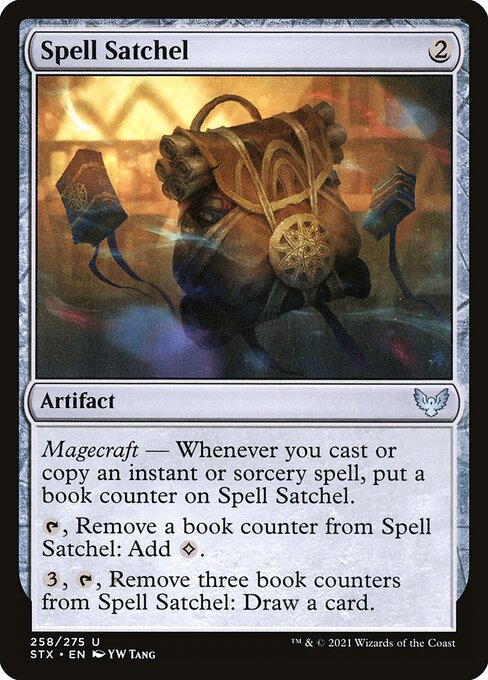
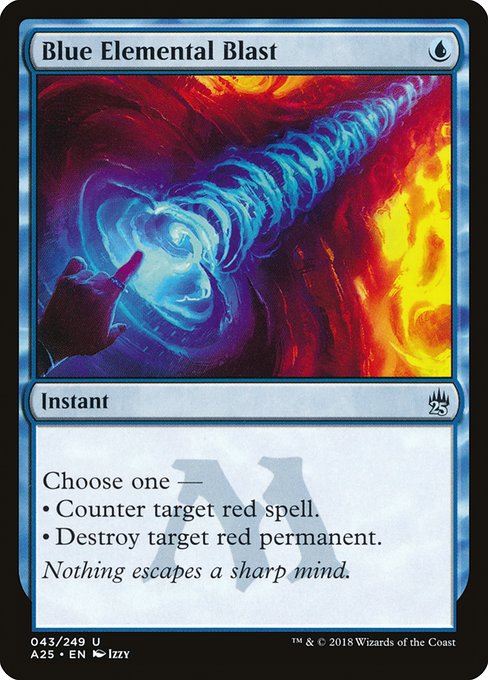
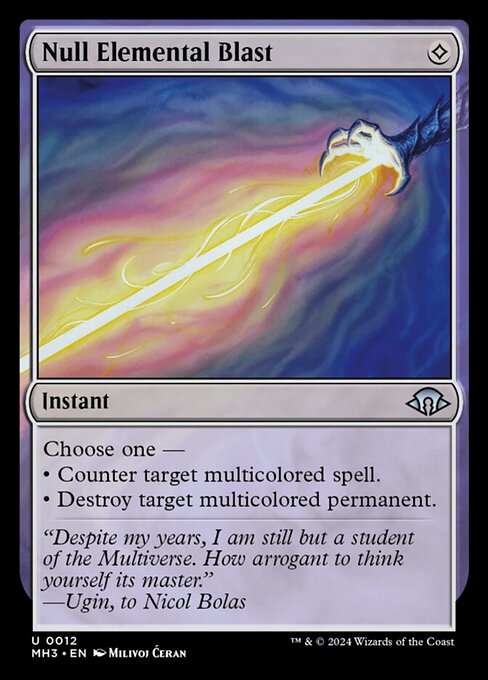
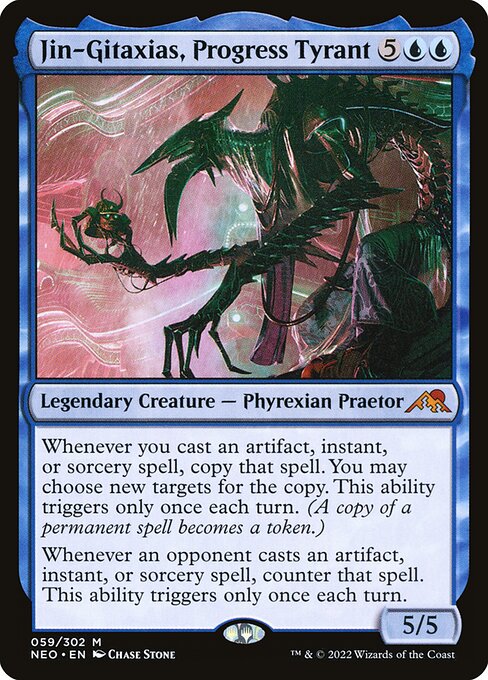
Picked for what they do in Erayo's deck. When two cards do the same job, the one with the lower comes first. All of them fit Erayo's color identity.Mana ValueThe total amount of mana a card costs, all added up. A card costing two generic and one green has a mana value of three. Wizards renamed this from "converted mana cost" in 2021, so older cards and articles may still use the old name.Open the full glossary
explain how Erayo works in tricky situations. They come from Wizards of the Coast, the company that makes Magic.RulingThe official answer to how a card works in a tricky situation. Most rulings are written by Wizards of the Coast, the company that makes Magic, and a few are notes from Scryfall, the card database Magic players use. A ruling explains a card. It does not change what the card says.Open the full glossary
Wizards of the Coast1 Jun 2005
Each Ascendant is legendary in both its unflipped and flipped forms. This means that effects that look for legendary creature cards, such as Time of Need and Captain Sisay, can find an Ascendant.
Wizards of the Coast1 Jun 2005
Erayo’s Essence triggers only for the first spell an opponent casts in a given turn. It doesn’t trigger off any other spell that player casts after the first.
Wizards of the Coast1 Jun 2005
If Erayo, Soratami Ascendant flips while an opponent’s first spell for the turn is still on the stack, the ability of Erayo’s Essence doesn’t trigger because the opponent’s spell has already been cast. The spell isn’t countered.
Wizards of the Coast1 Jun 2005
If you have multiple opponents, Erayo’s Essence can trigger once for each opponent.
Color identityEvery color of mana symbol on a card, in its cost and in its rules text. Your commander's color identity sets the limit for your whole deck: every other card has to fit inside it. A deck led by a green and white commander cannot play a card with any blue in its color identity.Open the full glossaryUPlayers write colors as letters: U for blue. Blue is U because B was already taken by black.SpellslingerSpellslinger decks cast lots of instants and sorceries, one-time spells, and play creatures that reward every spell you cast. Instants and sorceries take effect once and then go to your graveyard, and an instant can even be cast during another player's turn.Open the Spellslinger pageSpellslinger PayoffRewards you specifically for casting or copying instants and sorceries, usually with a trigger each time. Narrower than Spellslinger, which covers the whole instant-and-sorcery family. Archmage Emeritus, Storm-Kiln ArtistOpen the Spellslinger Payoff pageEvasionAn ability that makes a creature hard to block, so its attacks reach the player. Flying, menace, landwalk and plain 'can't be blocked' are the common kinds.Open the Evasion pageStack InteractionActs while a spell is waiting to take effect: countering it, changing what it targets, or copying it. When someone casts a spell it waits on the stack, and every player gets priority, a chance to respond, before it happens. Counterspell, NegateOpen the Stack Interaction pageControlControl decks answer what everyone else plays, stopping spells and removing dangerous cards, then win slowly once they are in charge. Expect lots of removal, spells that cancel other spells, and extra card draw.Open the Control pageCounterspell - HardCancels a spell outright, with no way for its caster to pay to save it. The most reliable kind of counterspell. CounterspellOpen the Counterspell - Hard pageCounterspellCancels a spell or ability while it is waiting on the stack, so it never takes effect. The countered spell goes to its owner's graveyard without doing anything. CounterspellOpen the Counterspell page
Send Us Feedback
What works, what's confusing, what you wish the site did. We read every one.
Not signed in? That is fine. We only keep what you write.
Optional. We only use it to reply to you.
Can we use Google Analytics cookies?
They show us which pages help people. No ads.
Privacy Policy


 Open the full glossary