- Commander Nexus
- Commanders
- Gargos, Vicious Watcher
Command zone
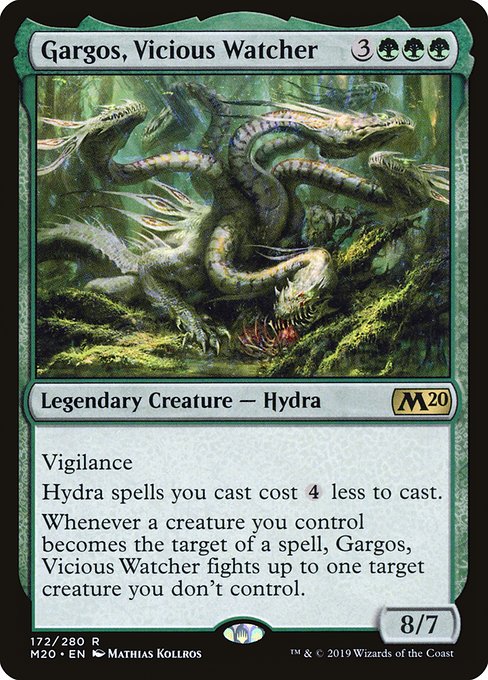
Gargos, Vicious Watcher
Legendary Creature — Hydra
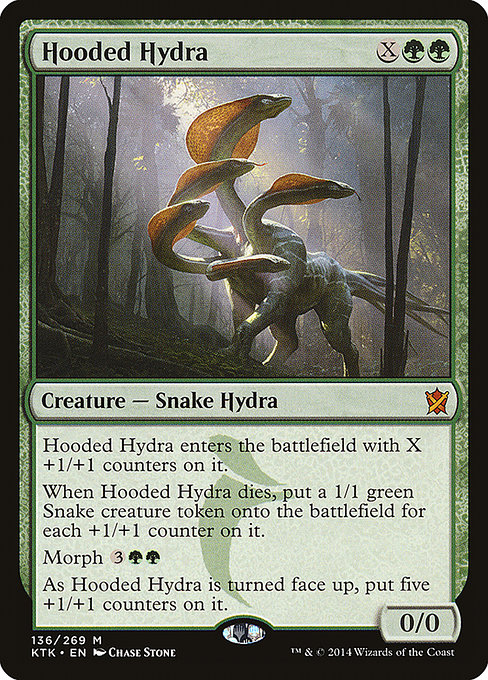
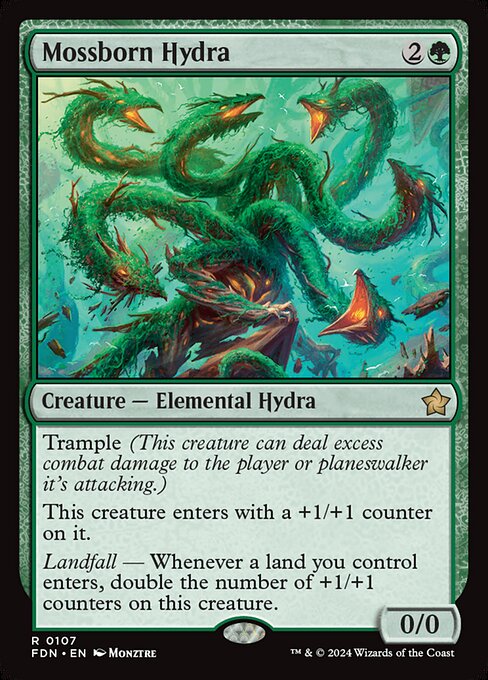
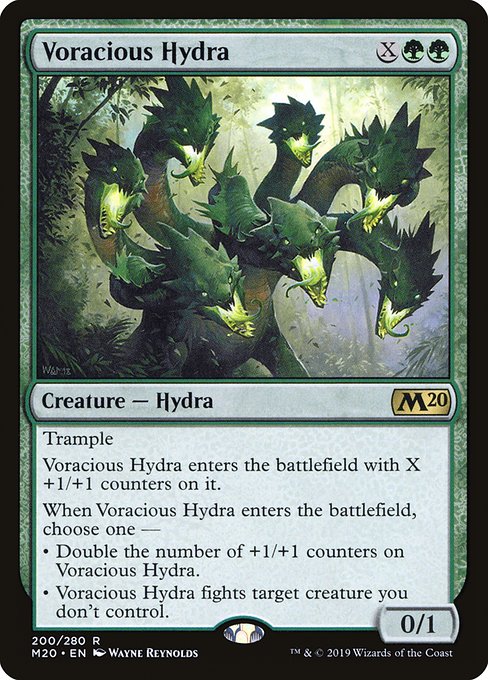
Gargos wants a deck that is built around one creature type, like Elves or Dragons. It also works in a deck built around Hydras.
- Mana cost


- Green ()
- Power / toughness8 / 7
- RarityRare
Vigilance
Hydra spells you cast cost  less to cast.
Whenever a creature you control becomes the target of a spell, Gargos fights up to one target creature you don't control.
Build a deck with Gargos Find it in the app
- Archetypes
- Themes
Cards That Fit Gargos, Vicious Watcher
Picked for what they do in Gargos's deck. When two cards do the same job, the one with the lower comes first. All of them fit Gargos's color identity.Mana ValueThe total amount of mana a card costs, all added up. A card costing two generic and one green has a mana value of three. Wizards renamed this from "converted mana cost" in 2021, so older cards and articles may still use the old name. Open the full glossary
plan6
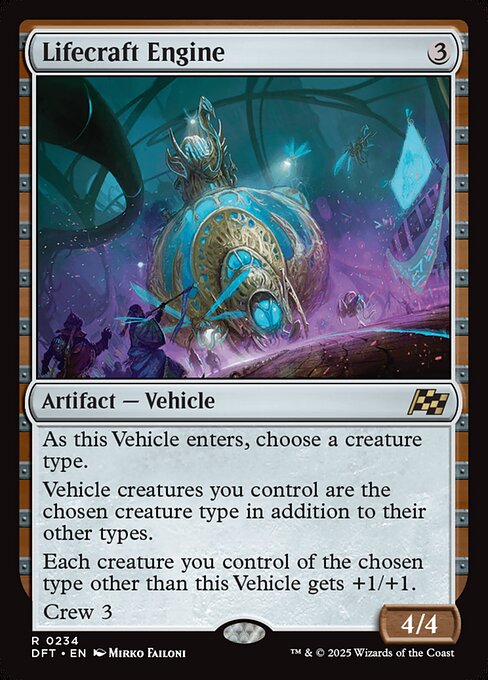
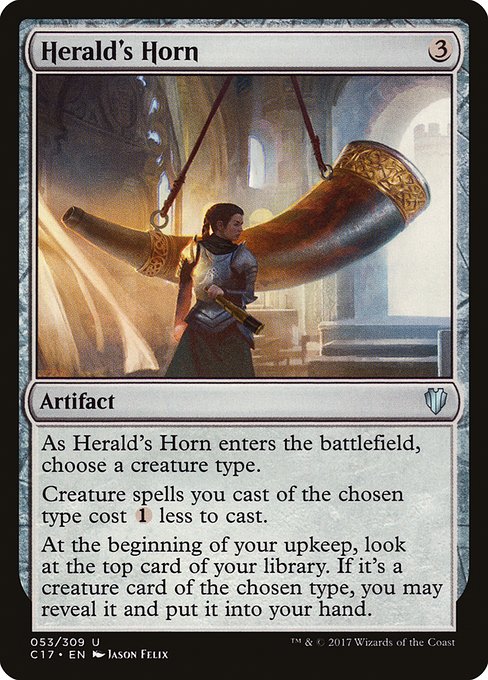
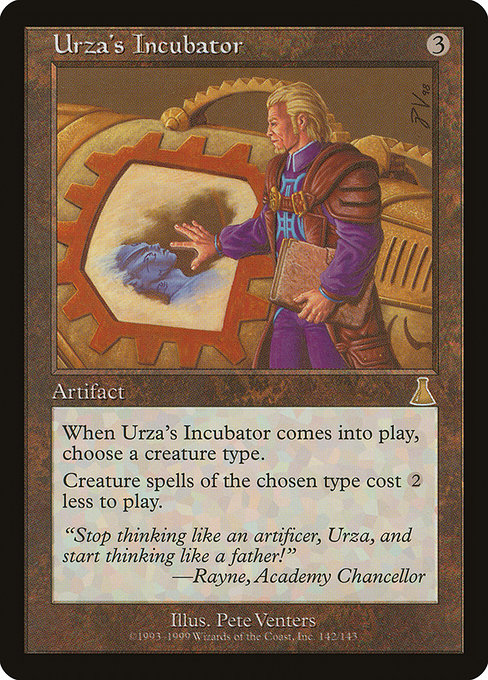
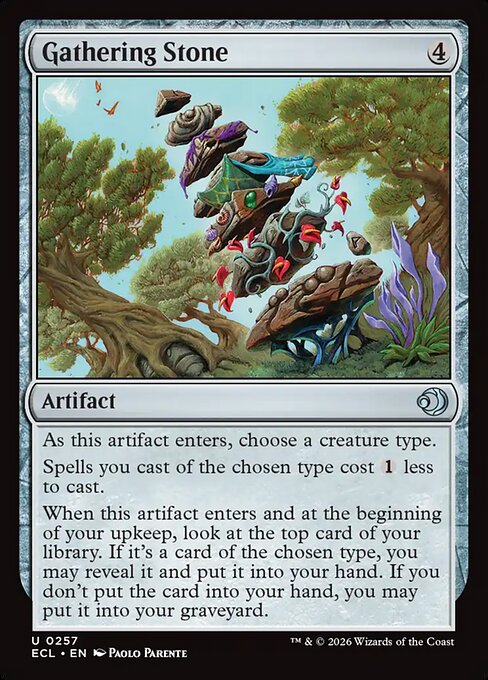
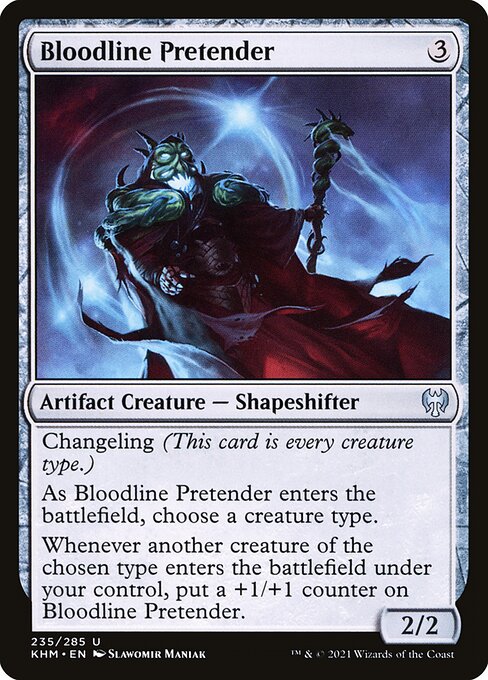
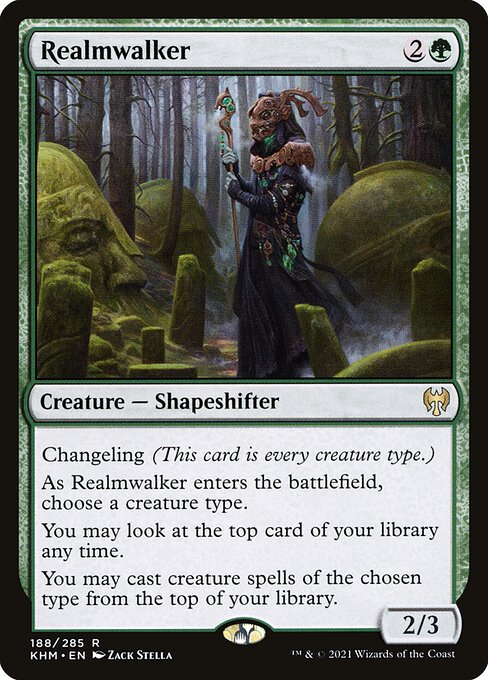
plan6
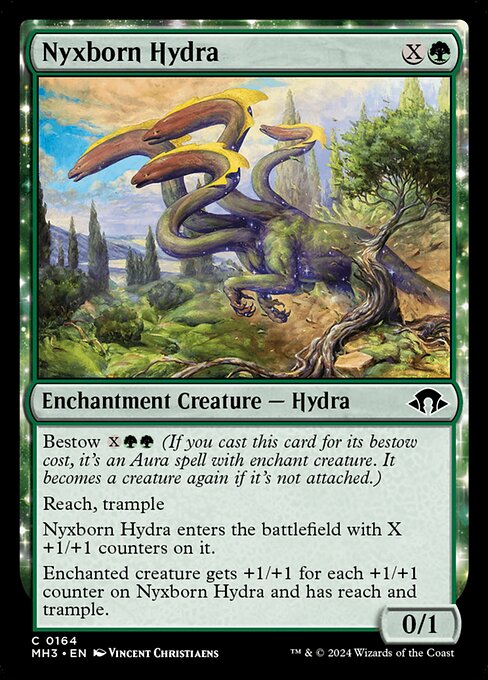

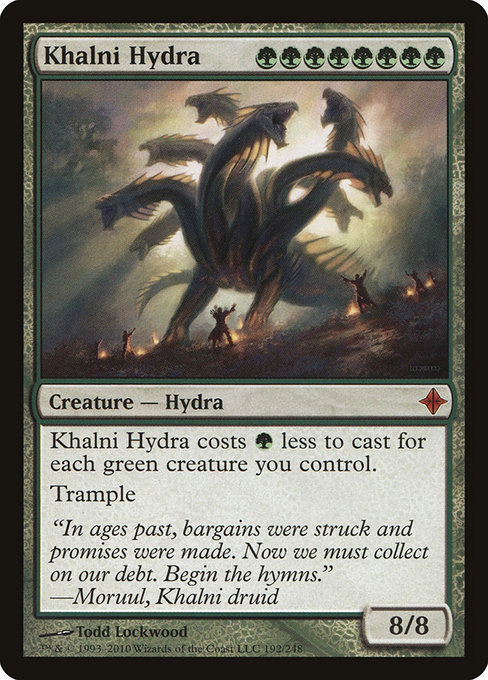
Rulings for Gargos, Vicious Watcher
explain how Gargos works in tricky situations. They come from Wizards of the Coast, the company that makes Magic.RulingThe official answer to how a card works in a tricky situation. Most rulings are written by Wizards of the Coast, the company that makes Magic, and a few are notes from Scryfall, the card database Magic players use. A ruling explains a card. It does not change what the card says.Open the full glossary
Gargos's controller chooses which creature (if any) Gargos will fight, not the controller of the spell.
Gargos's cost-reduction ability affects only generic mana in a Hydra's cost. For example, if you cast a Hydra spell with mana cost {2}{G}{G}{G}, it will cost {G}{G}{G} to cast, not {G}.
Gargos's cost-reduction ability applies only while it's on the battlefield. Gargos doesn't reduce its own cost.
Gargos's triggered ability resolves before the spell that caused it to trigger. It resolves even if that spell is countered.
If a spell has {X} in its mana cost, you choose the value for X before applying cost reductions. For example, if you cast a Hydra spell with mana cost {X}{G}{G} and choose for X to be 6, you pay {2}{G}{G}. Any of that Hydra's abilities that refer to X still uses 6 as the value for X regardless of what you actually paid.
If a spell targets one creature you control multiple times, Gargos's ability triggers once. If that spell targets multiple creatures you control, Gargos's ability triggers once for each of those creatures.
If the target creature is an illegal target when Gargos's last ability tries to resolve, the ability doesn't resolve. If Gargos is no longer on the battlefield, the target creature won't deal or be dealt damage.
To determine the total cost of a spell, start with the mana cost or alternative cost you're paying, add any cost increases, then apply any cost reductions (such as that of Gargos). The mana value of the spell remains unchanged, no matter what the total cost to cast it was.
8 rulings, all written by Wizards of the Coast. Read the originals on Gatherer ↗
Similar Commanders
Commanders that share the most with Gargos, and what they share.