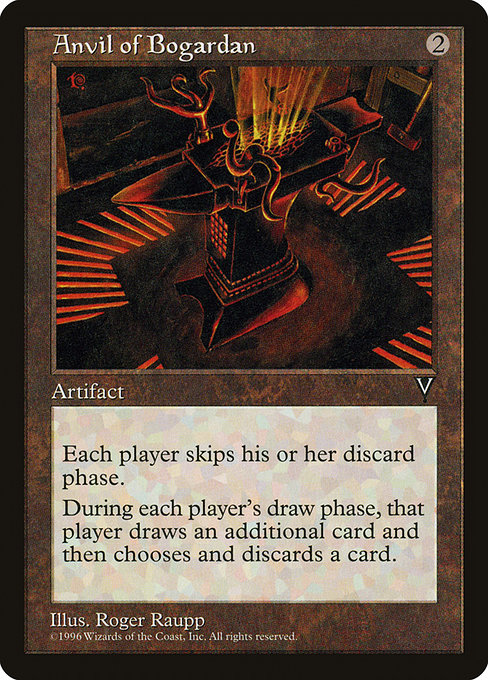
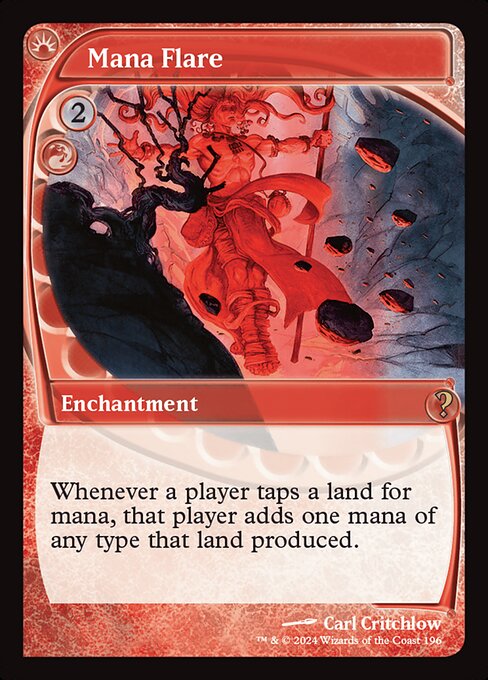
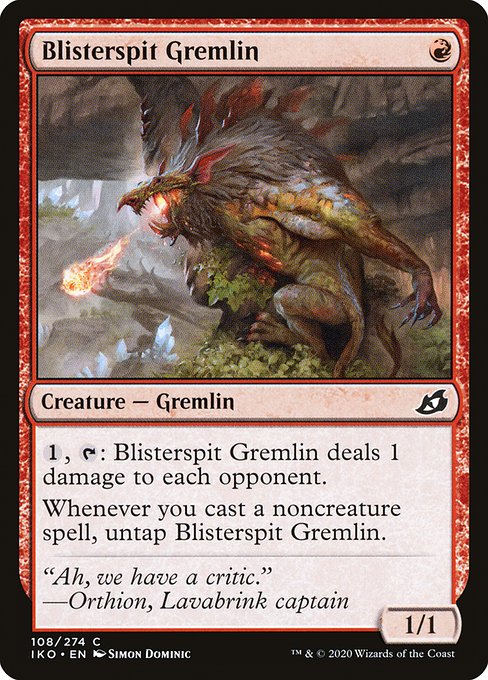
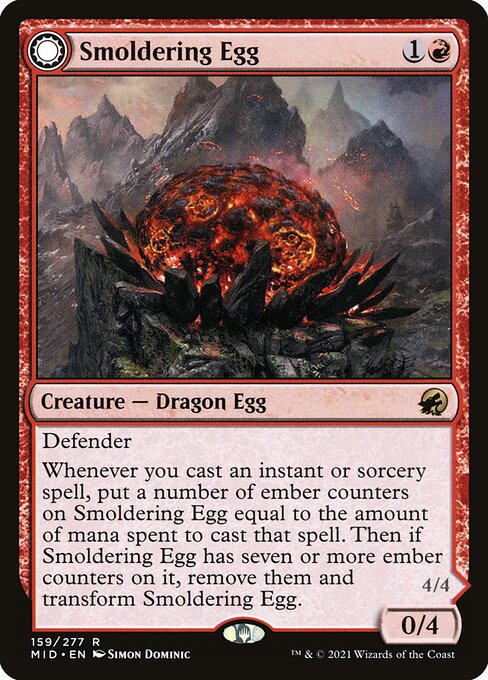
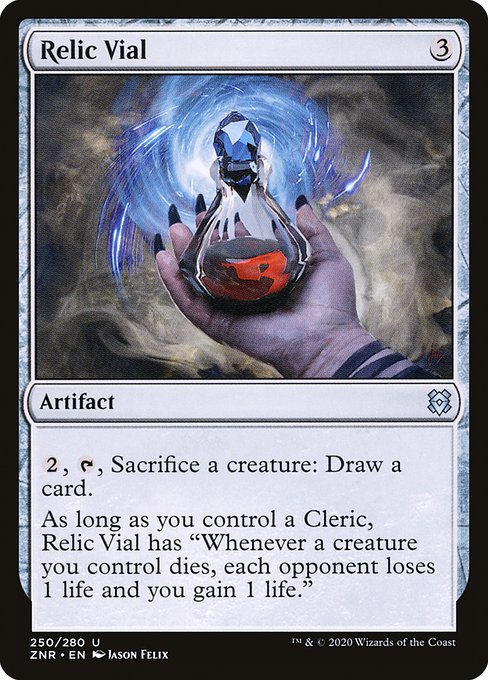
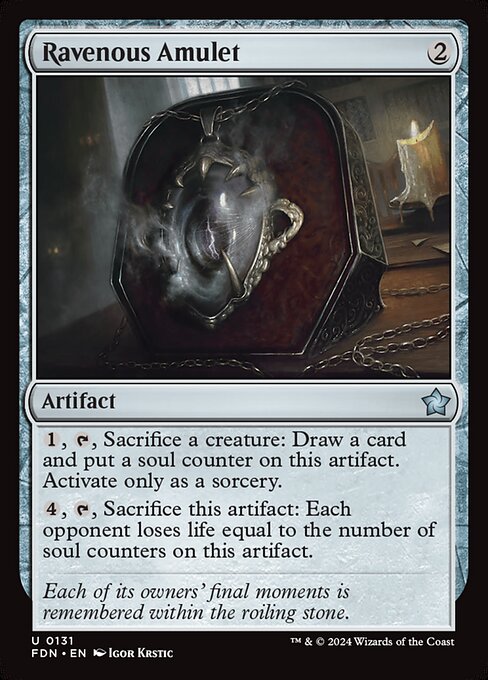
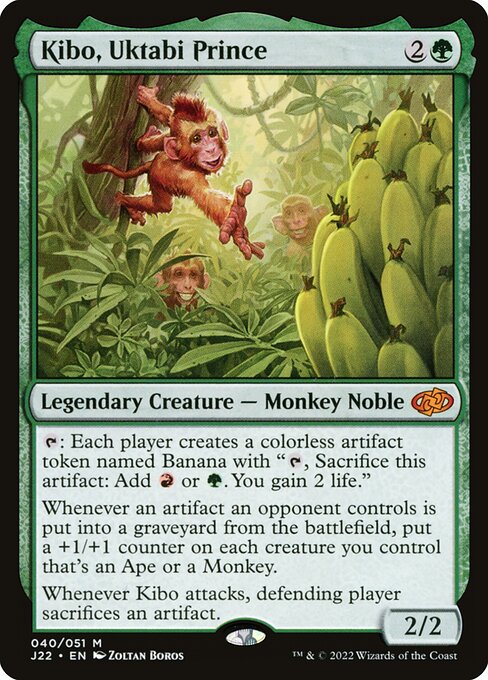
Picked for what they do in Hansk's deck. When two cards do the same job, the one with the lower comes first. All of them fit Hansk's color identity.Mana ValueThe total amount of mana a card costs, all added up. A card costing two generic and one green has a mana value of three. Wizards renamed this from "converted mana cost" in 2021, so older cards and articles may still use the old name.Open the full glossary
Color identityEvery color of mana symbol on a card, in its cost and in its rules text. Your commander's color identity sets the limit for your whole deck: every other card has to fit inside it. A deck led by a green and white commander cannot play a card with any blue in its color identity.Open the full glossaryRGPlayers write colors as letters: R for red, G for green.Group HugGroup Hug decks give every player extra cards, mana or life, making friends at the table while they quietly work toward their own win. The trick is to be the player best placed to use all that extra.Open the Group Hug pageGroup HugGives everyone at the table something: extra cards, extra mana, extra lands. It really is generous, and that is the trick: the player who built the deck around it knows what to do with the surplus, and the other three usually do not. Howling Mine, Heartbeat of Spring, Rites of FlourishingOpen the Group Hug pageDrawDraws you extra cards. More cards means more choices every turn, and in a 100-card deck it is the main way to find the pieces you need. Rhystic Study, SkullclampOpen the Draw pageDamage RemovalRemoves creatures by dealing damage to them rather than by destroying them outright. This includes fight cards, where your creature deals the damage. Damage only kills a creature if it at least equals its toughness, so it can miss the biggest ones, and it does not kill a creature that cannot be destroyed. Lightning Bolt, Rabid Bite, PyroclasmOpen the Damage Removal pageDeath TriggerTriggers when a creature dies, whether it is this creature, one of yours or an opponent's. These are the cards that pay you in an Aristocrats deck: something else makes creatures die, and these decide what you get each time. Blood Artist, Solemn SimulacrumOpen the Death Trigger pagePingersPinger decks deal one damage at a time, again and again, to pick off small creatures and wear opponents down. The damage usually comes from creatures you tap to deal 1 damage, or from cards that deal damage whenever something happens.Open the Pingers pageRepeatable DamageDeals damage again and again rather than once. It comes from an activated ability you can use every turn, or a trigger that fires whenever something happens. Walking Ballista, Impact TremorsOpen the Repeatable Damage pageAristocratsAristocrats decks sacrifice their own creatures on purpose and profit every time one dies, often by draining life from each opponent. A sacrifice outlet, a card that lets you sacrifice whenever you like, decides when that happens.Open the Aristocrats page
Send Us Feedback
What works, what's confusing, what you wish the site did. We read every one.
Not signed in? That is fine. We only keep what you write.
Optional. We only use it to reply to you.
Can we use Google Analytics cookies?
They show us which pages help people. No ads.
Privacy Policy


 : Hansk, Slayer Zealot deals 2 damage to target creature.
 Open the full glossary