- Commander Nexus
- Commanders
- Linvala, Shield of Sea Gate
Command zone

Linvala, Shield of Sea Gate
Legendary Creature — Angel Wizard
Linvala wants a deck that sacrifices its own creatures to drain opponents' life. It also suits a deck that gives up its own cards on purpose to get something back.
- Mana cost


- White, Blue ()
- Power / toughness3 / 3
- RarityRare
Flying
At the beginning of combat on your turn, if you have a full party, choose target nonland permanent an opponent controls. Until your next turn, it can't attack or block, and its activated abilities can't be activated.
Sacrifice Linvala: Choose hexproof or indestructible. Creatures you control gain that ability until end of turn.
Build a deck with Linvala Find it in the app
- Archetypes
- Themes
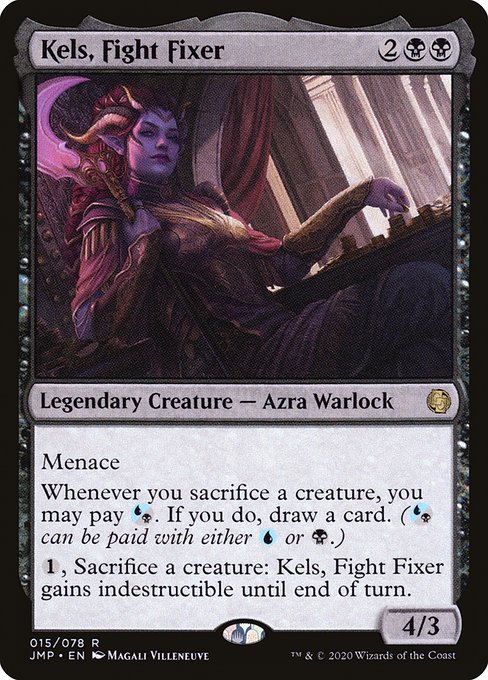
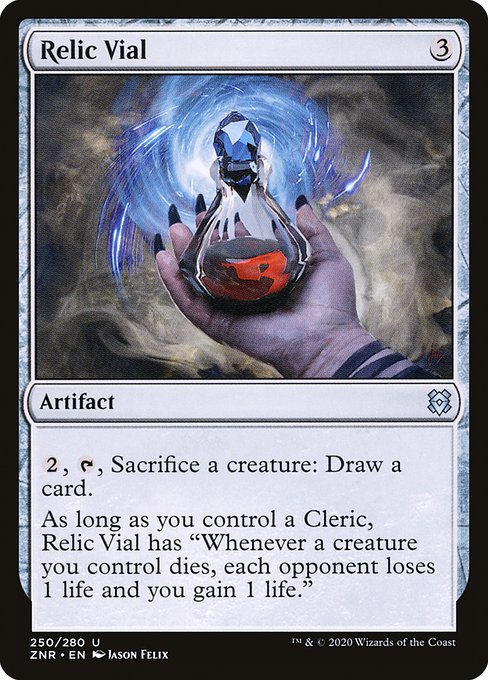
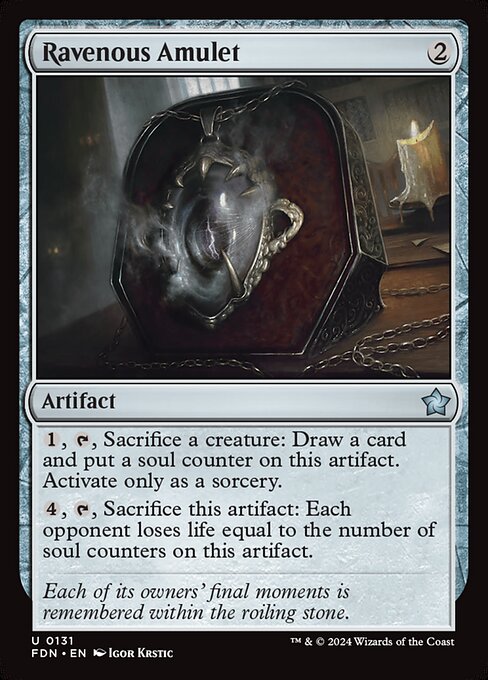
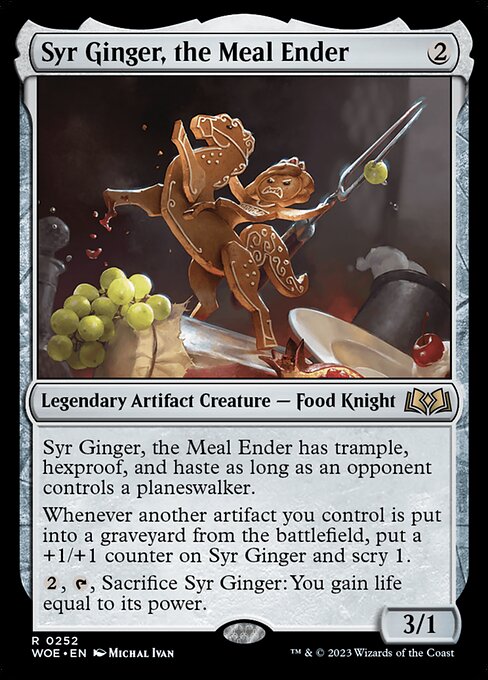
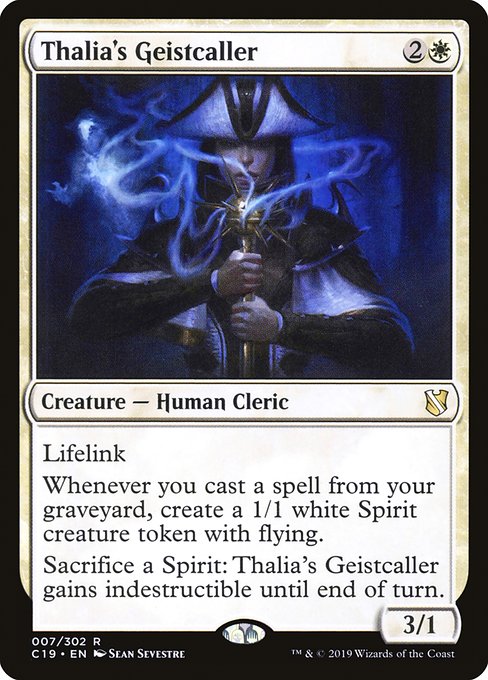
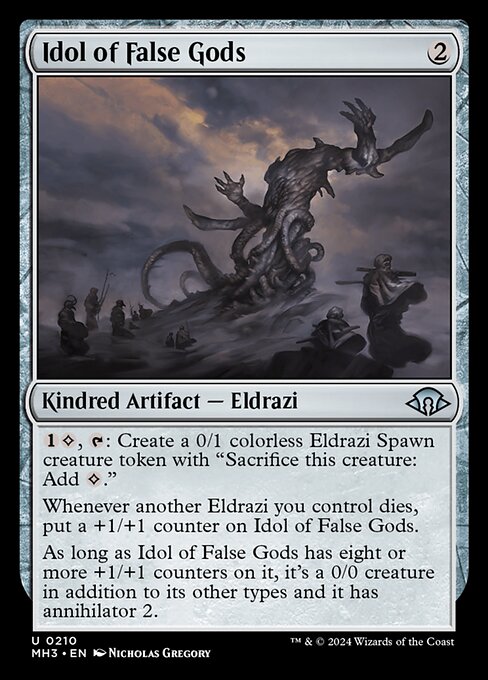
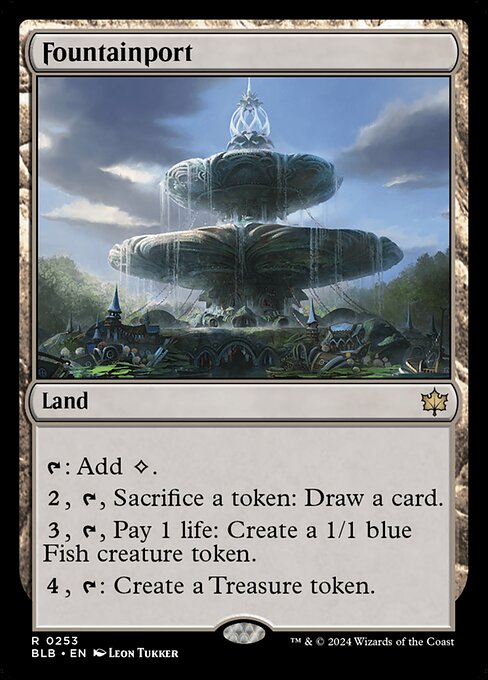
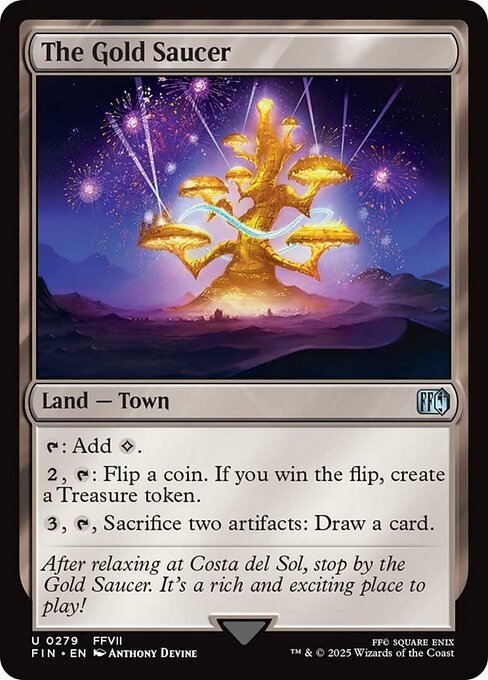
Cards That Fit Linvala, Shield of Sea Gate
Picked for what they do in Linvala's deck. When two cards do the same job, the one with the lower comes first. All of them fit Linvala's color identity.Mana ValueThe total amount of mana a card costs, all added up. A card costing two generic and one green has a mana value of three. Wizards renamed this from "converted mana cost" in 2021, so older cards and articles may still use the old name. Open the full glossary
plan6


plan6




Rulings for Linvala, Shield of Sea Gate
explain how Linvala works in tricky situations. They come from Wizards of the Coast, the company that makes Magic.RulingThe official answer to how a card works in a tricky situation. Most rulings are written by Wizards of the Coast, the company that makes Magic, and a few are notes from Scryfall, the card database Magic players use. A ruling explains a card. It does not change what the card says.Open the full glossary
Activated abilities contain a colon. They’re generally written “[Cost]: [Effect].” Some keyword abilities (such as equip) are activated abilities and will have a colon in their reminder text. Triggered abilities (starting with “when,” “whenever,” or “at”) are unaffected.
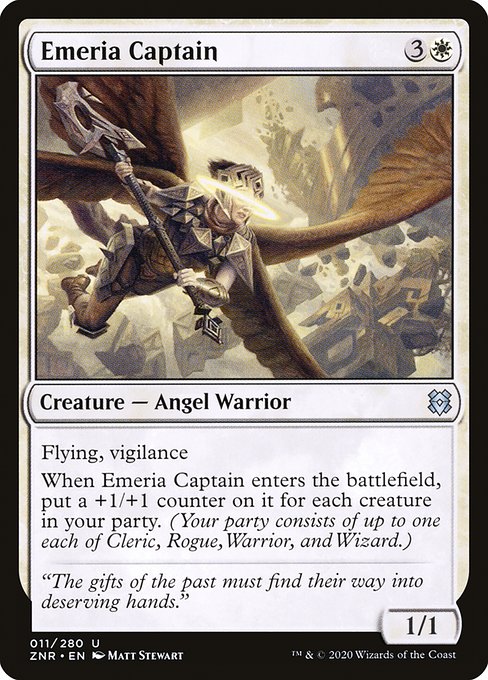
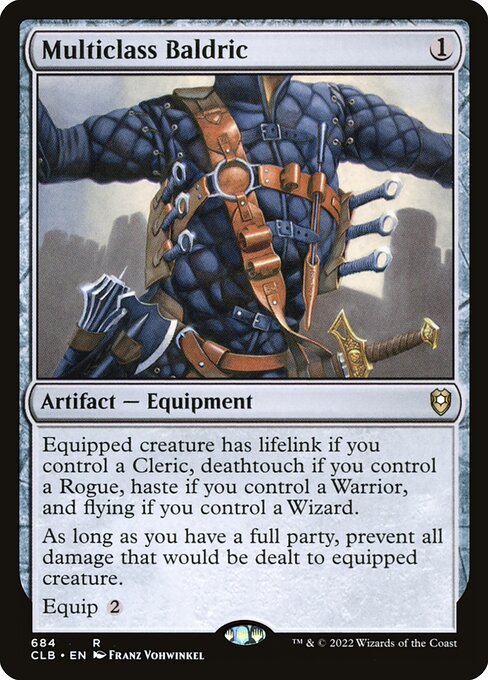
An ability referring to the number of creatures in your party gets a number from zero to four. Such abilities never ask which creatures are in your party, and you never have to designate specific creatures as being in your party. You can’t choose to exclude creatures from this count to lower the number.
If a creature has more than one party creature type, and there are multiple ways to count that creature that could result in a different number of creatures in your party, the highest such number is used. For example, if you control a Cleric and a Cleric Wizard, the number of creatures in your party is two. You can’t choose to have it be just one by counting the Cleric Wizard first as a Cleric.
In a multiplayer game, if you leave the game after Linvala’s middle ability resolves but before your next turn begins, its effect lasts until your next turn would have begun. It neither expires immediately nor lasts indefinitely.
Linvala’s middle ability won’t trigger at all if you don’t have a full party as your combat phase begins. It won’t affect the target if you don’t have a full party as it resolves. The number of creatures in your party may change between these times, however.
No abilities of the affected permanent can be activated, including mana abilities.
Some cards refer to you having a “full party.” This is true if the number of creatures in your party is four.
The nonland permanent remains affected until your next turn even if the number of creatures in your party changes or Linvala leaves the battlefield.
To determine “the number of creatures in your party,” check whether you control a Cleric, whether you control a Rogue, whether you control a Warrior, and whether you control a Wizard. The number is the total number of those checks to which you answered yes. Each creature you control can be counted for only one of those checks.
9 rulings, all written by Wizards of the Coast. Read the originals on Gatherer ↗
Similar Commanders
Commanders that share the most with Linvala, and what they share.