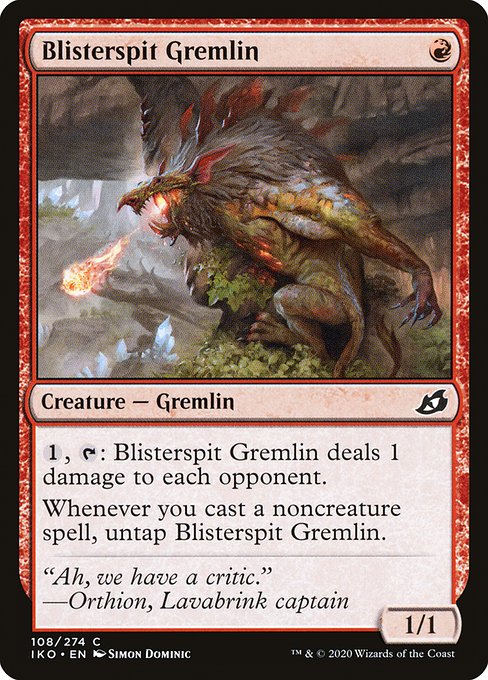
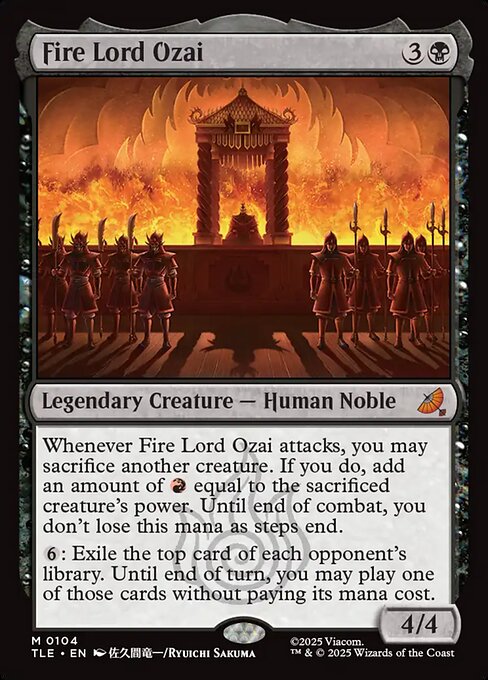
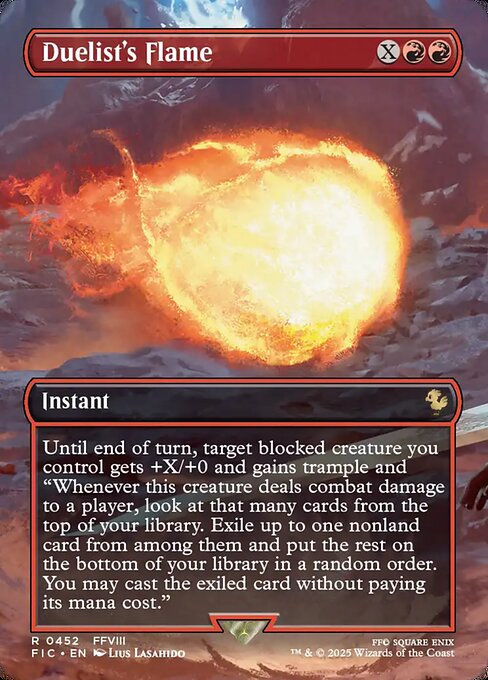
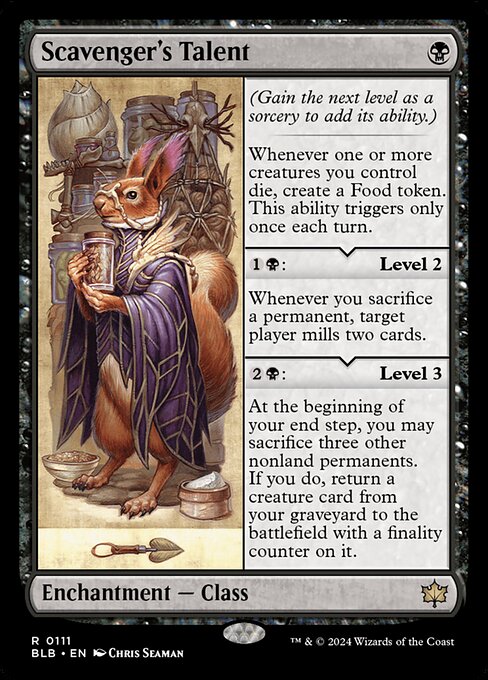
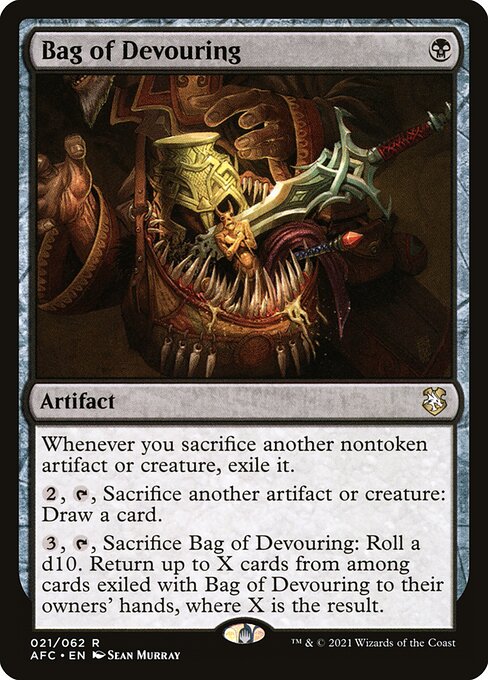
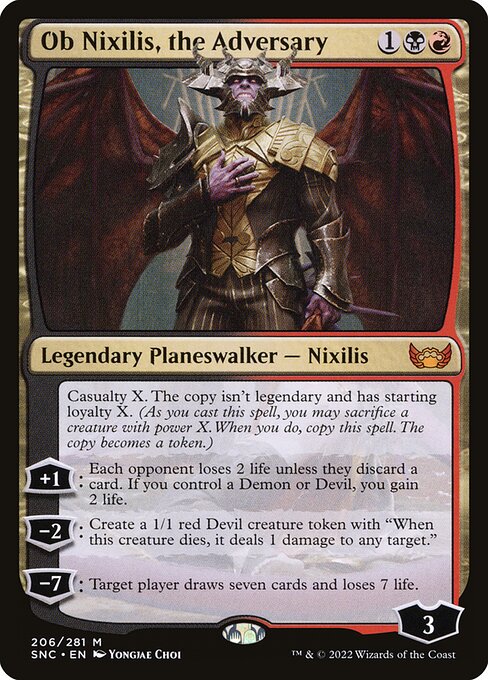
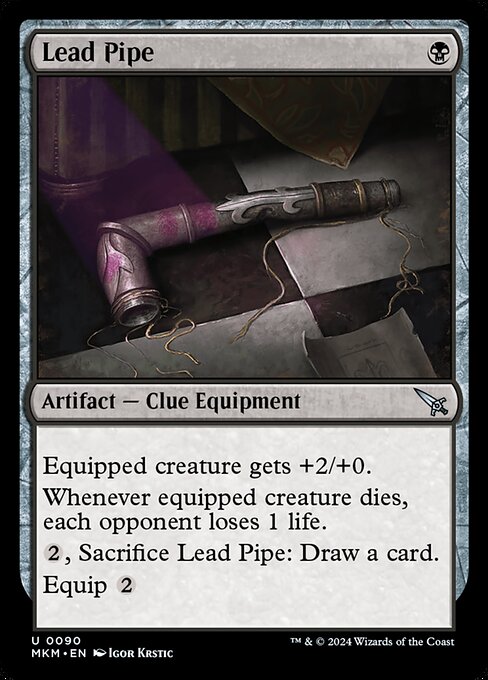
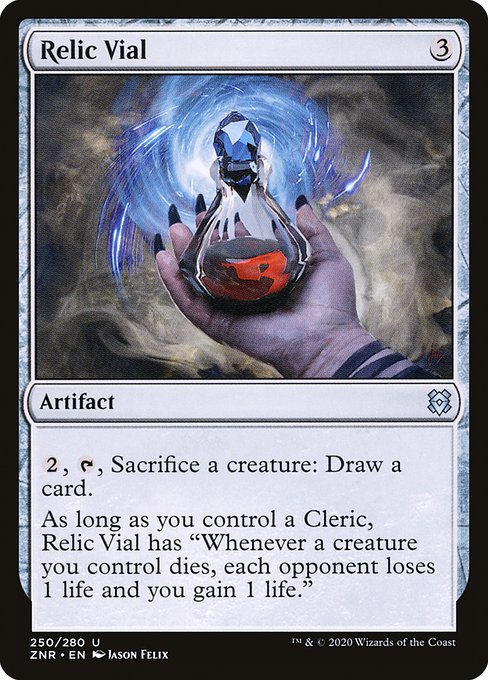
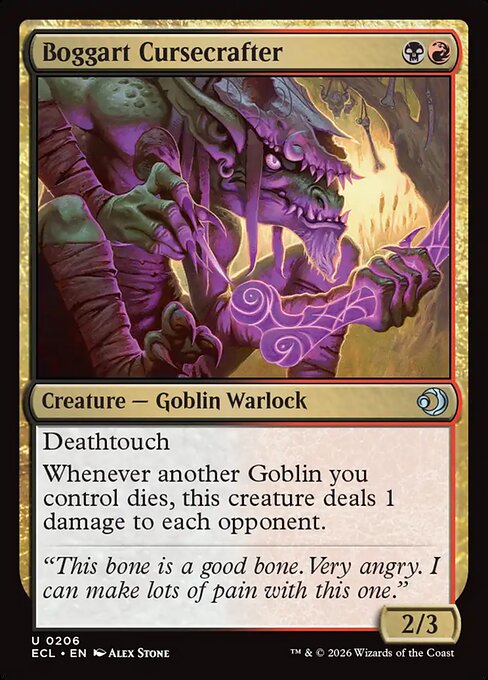
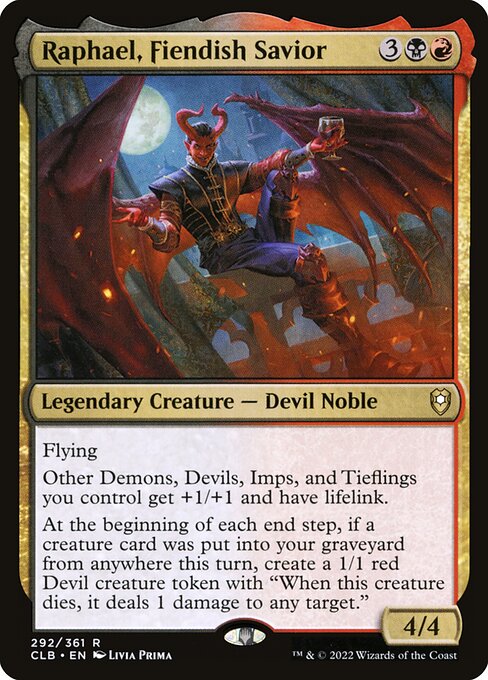
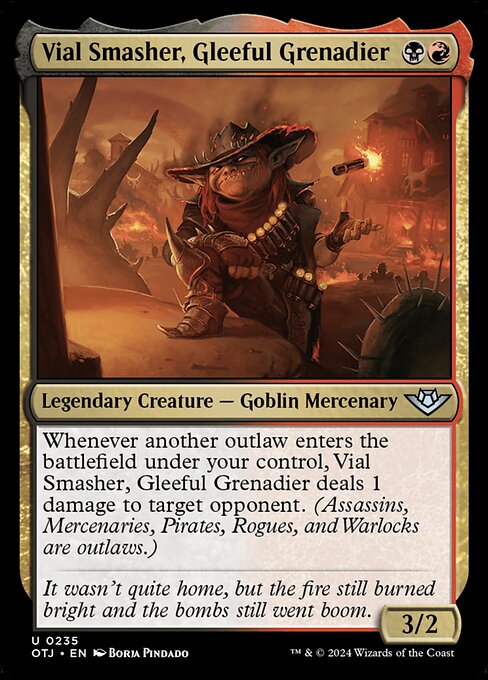
Picked for what they do in The Great Goblin's deck. When two cards do the same job, the one with the lower comes first. All of them fit The Great Goblin's color identity.Mana ValueThe total amount of mana a card costs, all added up. A card costing two generic and one green has a mana value of three. Wizards renamed this from "converted mana cost" in 2021, so older cards and articles may still use the old name.Open the full glossary
explain how The Great Goblin works in tricky situations. They come from Wizards of the Coast, the company that makes Magic.RulingThe official answer to how a card works in a tricky situation. Most rulings are written by Wizards of the Coast, the company that makes Magic, and a few are notes from Scryfall, the card database Magic players use. A ruling explains a card. It does not change what the card says.Open the full glossary
Wizards of the Coast29 Jun 2026
You pay all costs and follow all timing rules for cards played this way. For example, if the exiled card is a land card, you may play it only during your main phase while the stack is empty and only if you have an available land play remaining.
Color identityEvery color of mana symbol on a card, in its cost and in its rules text. Your commander's color identity sets the limit for your whole deck: every other card has to fit inside it. A deck led by a green and white commander cannot play a card with any blue in its color identity.Open the full glossaryBRPlayers write colors as letters: B for black, R for red.PingersPinger decks deal one damage at a time, again and again, to pick off small creatures and wear opponents down. The damage usually comes from creatures you tap to deal 1 damage, or from cards that deal damage whenever something happens.Open the Pingers pageRepeatable DamageDeals damage again and again rather than once. It comes from an activated ability you can use every turn, or a trigger that fires whenever something happens. Walking Ballista, Impact TremorsOpen the Repeatable Damage pageBurnDeals damage directly, to creatures or to players. Because it can hit a player as easily as a creature, the same card can remove a blocker or finish off an opponent. Lightning Bolt, Blasphemous ActOpen the Burn pageTheftTakes something that belongs to an opponent: a creature, another permanent, or even a spell cast straight off the top of their deck. Act of Treason, Hellkite TyrantOpen the Theft pageDeath TriggerTriggers when a creature dies, whether it is this creature, one of yours or an opponent's. These are the cards that pay you in an Aristocrats deck: something else makes creatures die, and these decide what you get each time. Blood Artist, Solemn SimulacrumOpen the Death Trigger pageTheftTheft decks take control of opponents' creatures and other cards, or cast spells from their decks, and use them against them. Some steals last one turn so you can attack with the borrowed creature; others are permanent.Open the Theft pageImpulse DrawExiles cards from the top of your library and lets you play them for a short time, usually only that turn. You have to use them or lose them. Act on Impulse Prosper, Tome-BoundOpen the Impulse Draw pageAristocratsAristocrats decks sacrifice their own creatures on purpose and profit every time one dies, often by draining life from each opponent. A sacrifice outlet, a card that lets you sacrifice whenever you like, decides when that happens.Open the Aristocrats pageDrawDraws you extra cards. More cards means more choices every turn, and in a 100-card deck it is the main way to find the pieces you need. Rhystic Study, SkullclampOpen the Draw pageGoblinsGoblins are almost all red: small, cheap and plentiful, and many make more Goblins or are sacrificed for a quick effect.Open the Goblins page
Send Us Feedback
What works, what's confusing, what you wish the site did. We read every one.
Not signed in? That is fine. We only keep what you write.
Optional. We only use it to reply to you.
Can we use Google Analytics cookies?
They show us which pages help people. No ads.
Privacy Policy


 Open the full glossary