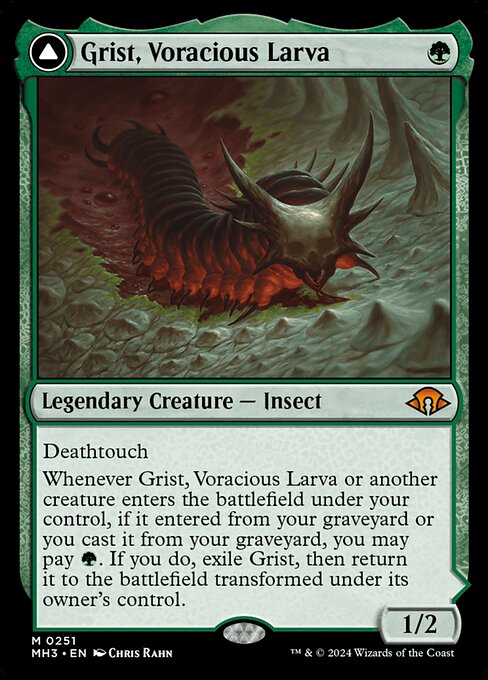
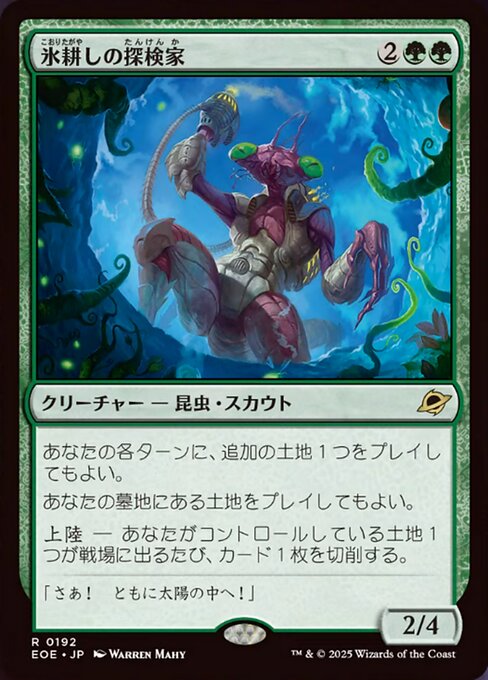
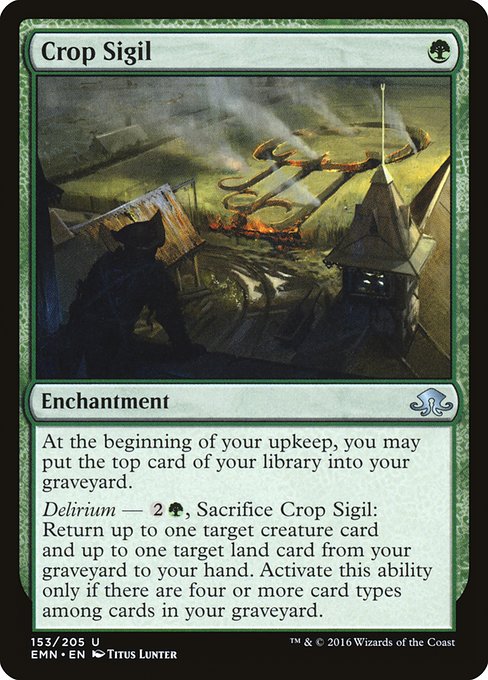
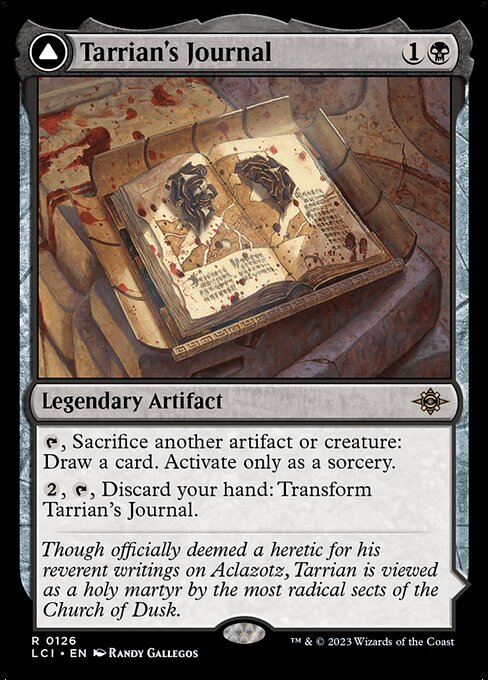
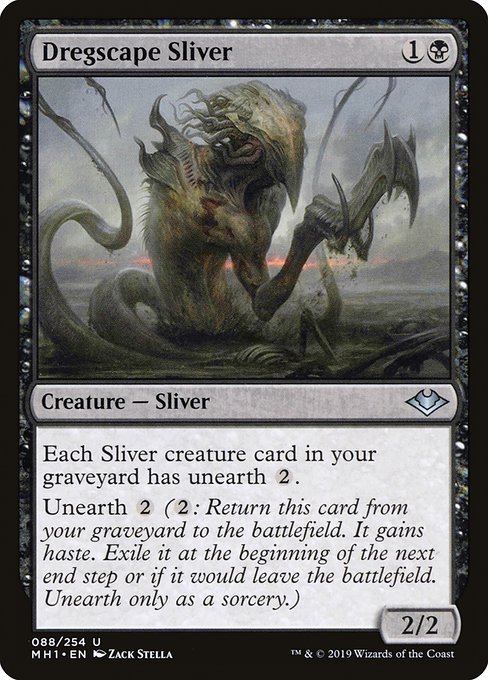
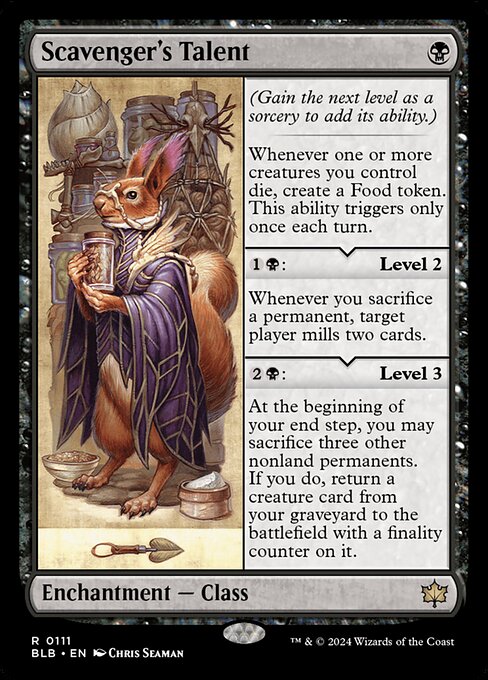
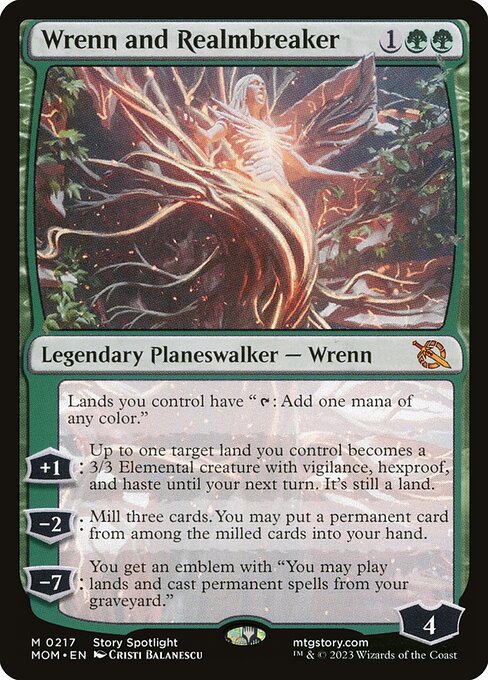
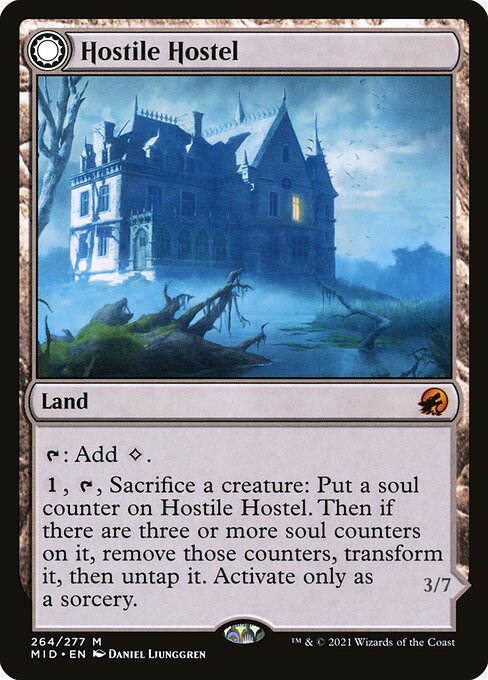
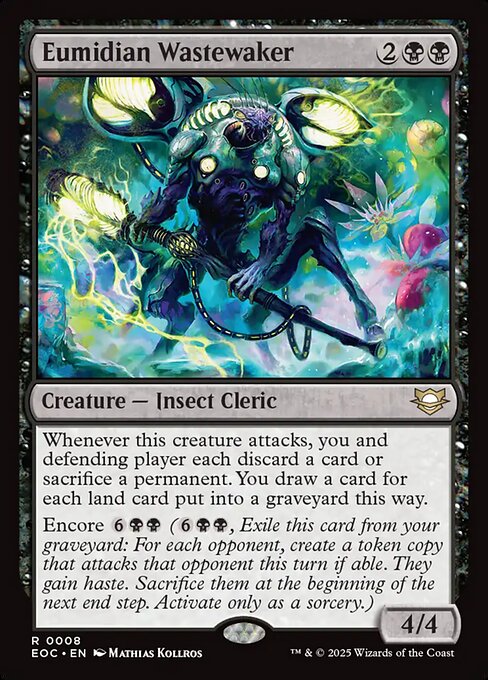
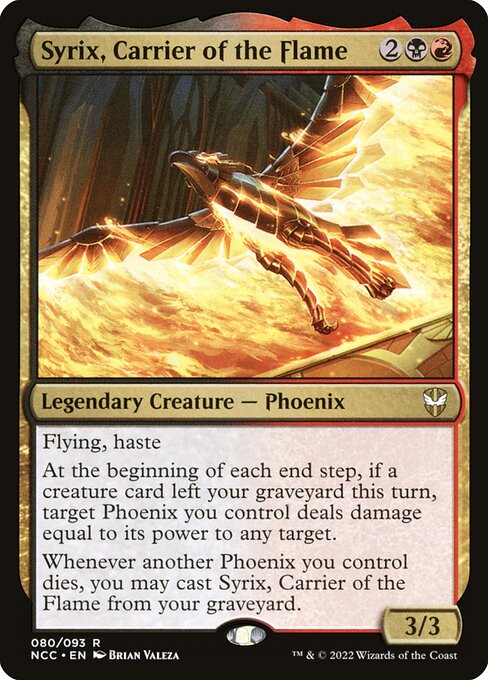
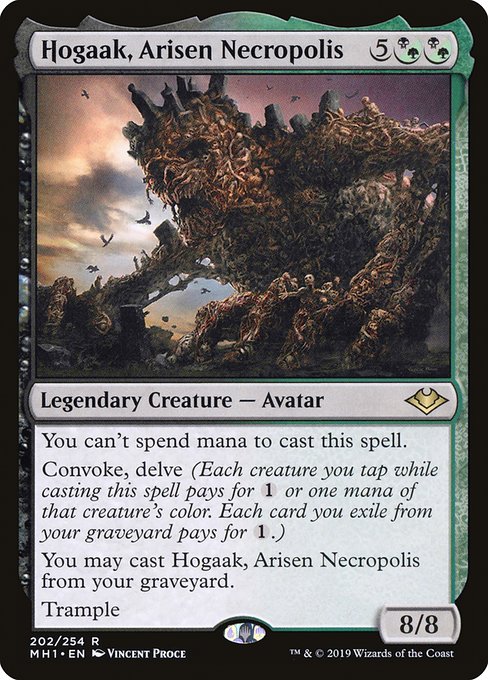
Zask wants a deck that fills its discard pile and plays cards back out of it. It also suits a deck that brings big creatures back from the discard pile.
Mana cost
Black, Green ()
Power / toughness5 / 5
RarityRare
You may play lands and cast Insect spells from your graveyard.
Whenever another Insect you control dies, put it on the bottom of its owner's library, then mill two cards. (Put the top two cards of your library into your graveyard.)
: Target Insect gets +1/+0 and gains deathtouch until end of turn. ( can be paid with either or .)
Picked for what they do in Zask's deck. When two cards do the same job, the one with the lower comes first. All of them fit Zask's color identity.Mana ValueThe total amount of mana a card costs, all added up. A card costing two generic and one green has a mana value of three. Wizards renamed this from "converted mana cost" in 2021, so older cards and articles may still use the old name.Open the full glossary
explain how Zask works in tricky situations. They come from Wizards of the Coast, the company that makes Magic.RulingThe official answer to how a card works in a tricky situation. Most rulings are written by Wizards of the Coast, the company that makes Magic, and a few are notes from Scryfall, the card database Magic players use. A ruling explains a card. It does not change what the card says.Open the full glossary
Wizards of the Coast2 Dec 2022
You must pay all costs and follow all timing rules for cards played from your graveyard this way. For example, you may play a land this way only while the stack is empty during one of your own main phases, and only if you haven't played a land yet this turn.
Color identityEvery color of mana symbol on a card, in its cost and in its rules text. Your commander's color identity sets the limit for your whole deck: every other card has to fit inside it. A deck led by a green and white commander cannot play a card with any blue in its color identity.Open the full glossaryBGPlayers write colors as letters: B for black, G for green.Graveyard/Self-MillGraveyard decks fill their own graveyard on purpose, then play cards from it as if it were a second hand. Moving cards from the top of your own deck straight into the graveyard is called self-mill.Open the Graveyard/Self-Mill pageSelf-MillPuts cards from your OWN library into your graveyard on purpose. Milling means moving cards off the top of a library into a graveyard. Aimed at an opponent that is an attack; aimed at yourself it is setup, filling the graveyard for the cards that want to use what is in it. Stitcher's Supplier, Hermit DruidOpen the Self-Mill pageRecursionBrings cards back from the graveyard: to your hand, to the battlefield, or letting them be cast again from where they lie. Eternal Witness, Reanimate, VictimizeOpen the Recursion pageCast from GraveyardLets you cast spells or play lands straight from your graveyard, so the graveyard becomes a second hand. This is different from Reanimation, which puts a creature card onto the battlefield without casting it. Karador, Ghost Chieftain, Muldrotha, the Gravetide, Yawgmoth's WillOpen the Cast from Graveyard pageMana SinkGives you somewhere useful to spend spare mana, usually through an ability you can activate again and again. Rogue's Passage, Mind StoneOpen the Mana Sink pageReanimatorReanimator decks put big creatures into their own graveyard early, then bring them back onto the battlefield without paying their cost. It gets a huge creature into play far sooner than you could afford to cast it.Open the Reanimator pageDeath TriggerTriggers when a creature dies, whether it is this creature, one of yours or an opponent's. These are the cards that pay you in an Aristocrats deck: something else makes creatures die, and these decide what you get each time. Blood Artist, Solemn SimulacrumOpen the Death Trigger pageAristocratsAristocrats decks sacrifice their own creatures on purpose and profit every time one dies, often by draining life from each opponent. A sacrifice outlet, a card that lets you sacrifice whenever you like, decides when that happens.Open the Aristocrats pageInsectsInsects are mostly green and black creatures, from tiny swarms to giant beetles, and about a quarter of them fly.Open the Insects pageTypal PayoffRewards you for playing lots of one kind of creature. That includes "lords" that make every other Goblin or Merfolk you control bigger, and cards that ask you to choose a creature type and then pay you off for it. A creature type is the word on the middle line of the card, like Goblin, Elf or Zombie.Open the Typal Payoff page
Send Us Feedback
What works, what's confusing, what you wish the site did. We read every one.
Not signed in? That is fine. We only keep what you write.
Optional. We only use it to reply to you.
Can we use Google Analytics cookies?
They show us which pages help people. No ads.
Privacy Policy
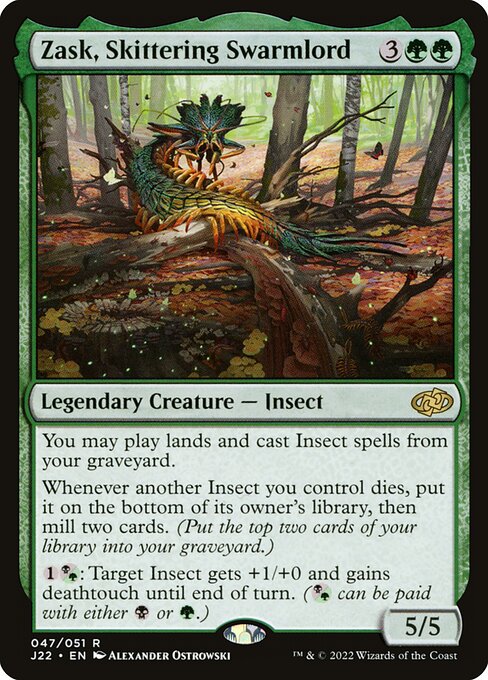


 : Target Insect gets +1/+0 and gains deathtouch until end of turn. (
 or
 Open the full glossary