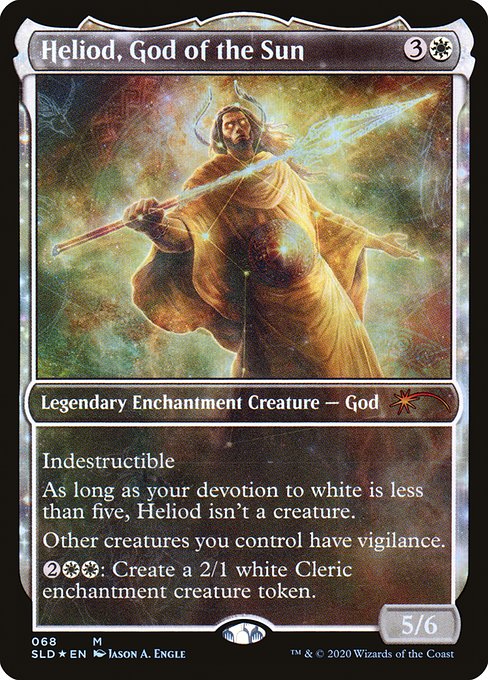
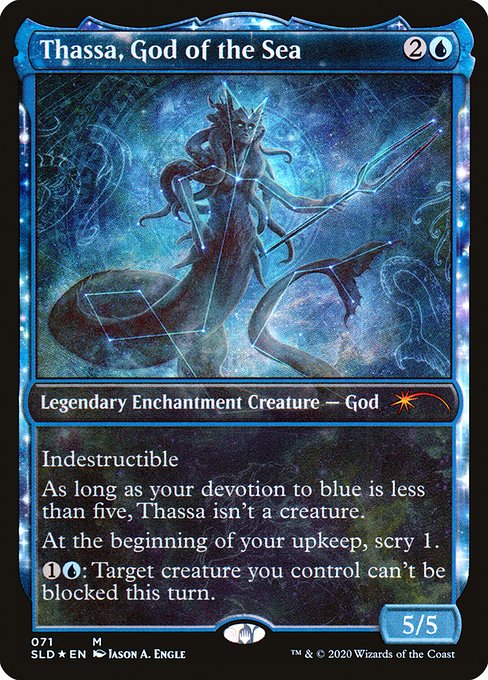
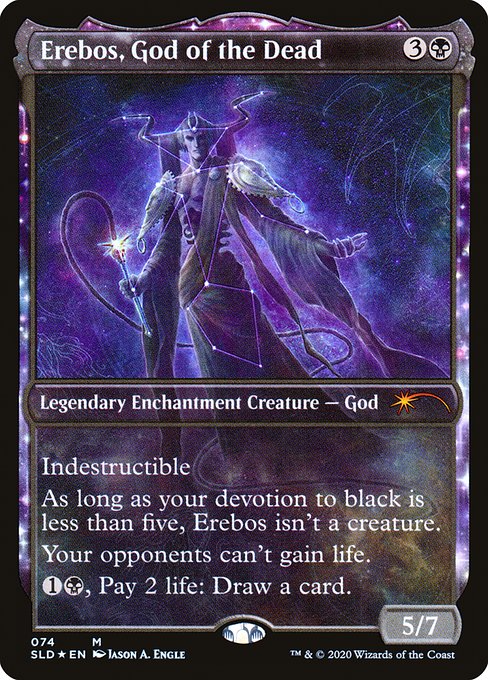
Theros Stargazing
Theros Stargazing is a : 5 drops and 15 cards. A theme groups drops that share a franchise or an idea.Secret LairSpecial Magic cards sold by Wizards of the Coast on their own online store for a short time. Most are cards that already exist, given new art by a well-known artist or another franchise. A Secret Lair copy of a card plays exactly like any other copy of it.Open the full glossaryThemeOur way of grouping Secret Lair drops that share a subject, like Marvel or Fallout, so every version is on one page.Open the full glossary
Released 5 drops 15 cards
Sign in to see which of these cards you already own. Sign in We could not check your collection just now. Try again in a minute.
We do not sell anything and we are not paid for this. Secret Lair is sold by Wizards of the Coast.
Every drop
Click a card for the card itself, the decks that play it and, once you are signed in, whether you already own a copy. To mark every card here at once, press Show what I own. A foil is the shiny version of a card. Secret Lair sells it as a separate Foil Edition of the same drop.
Theros Stargazing: Vol. I (Heliod) 3 cards
-
- Card Kingdom foil $12.99
- Cardmarket foil €10.15
- Mana Pool foil $11.61
- TCGplayer foil $13.04
-
- Card Kingdom foil $17.99
- Cardmarket foil €20.10
- Mana Pool foil $15.81
- TCGplayer foil $17.45
-
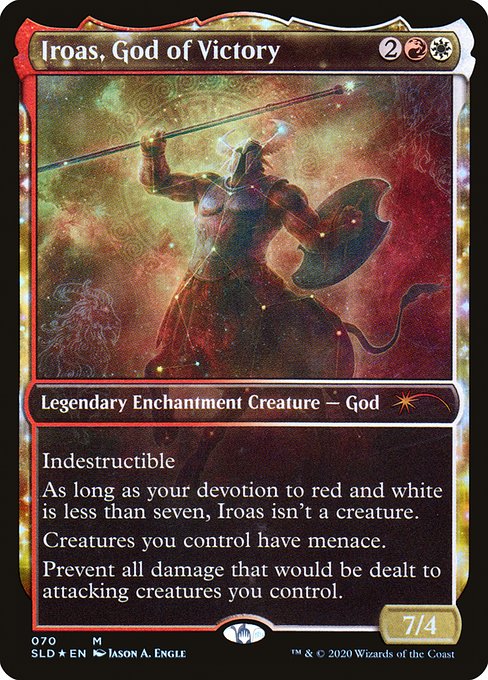
- Card Kingdom foil $27.99
- Cardmarket foil €30.45
- Mana Pool foil $24.43
- TCGplayer foil $34.21
Theros Stargazing: Vol. II (Thassa) 3 cards
-
- Card Kingdom foil $21.99
- Cardmarket foil €24.08
- Mana Pool foil $17.80
- TCGplayer foil $23.45
-
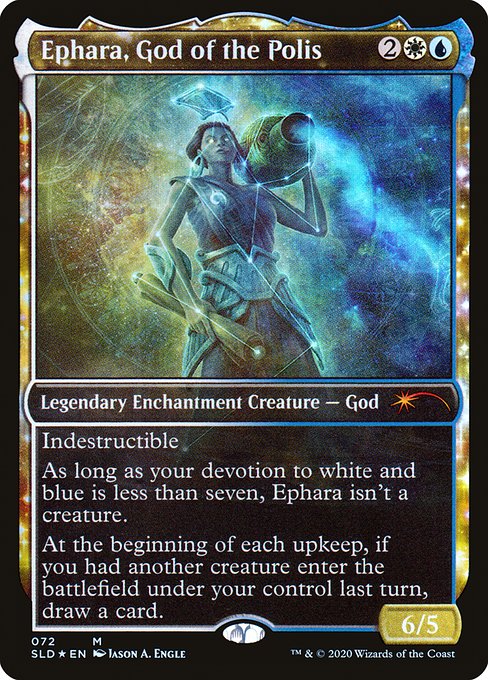
- Cardmarket foil €18.34
- Mana Pool foil $13.36
- TCGplayer foil $14.81
-
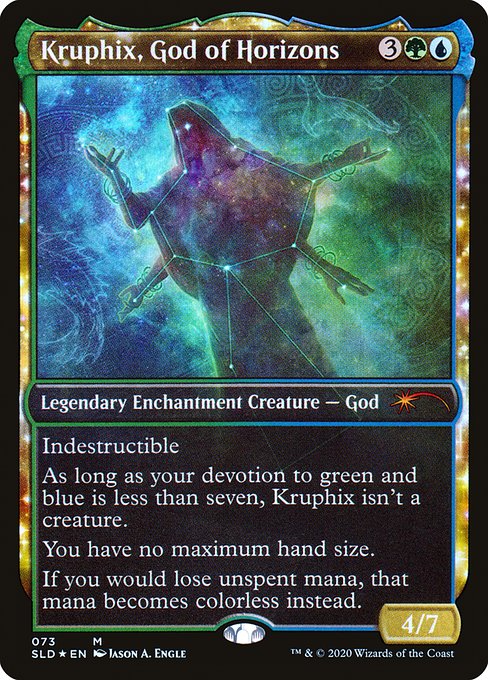
- Card Kingdom foil $18.99
- Cardmarket foil €12.52
- Mana Pool foil $13.50
- TCGplayer foil $14.04
Theros Stargazing: Vol. III (Erebos) 3 cards
-
- Card Kingdom foil $22.99
- Cardmarket foil €22.20
- Mana Pool foil $17.45
- TCGplayer foil $25.77
-
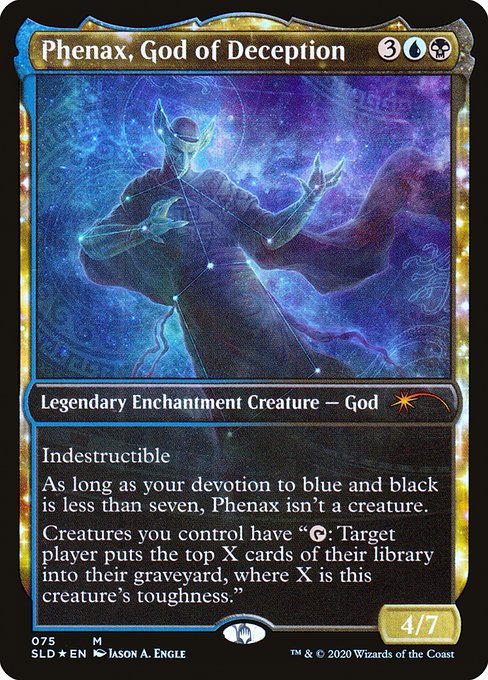
- Card Kingdom foil $29.99
- Cardmarket foil €26.00
- Mana Pool foil $28.19
- TCGplayer foil $30.35
-
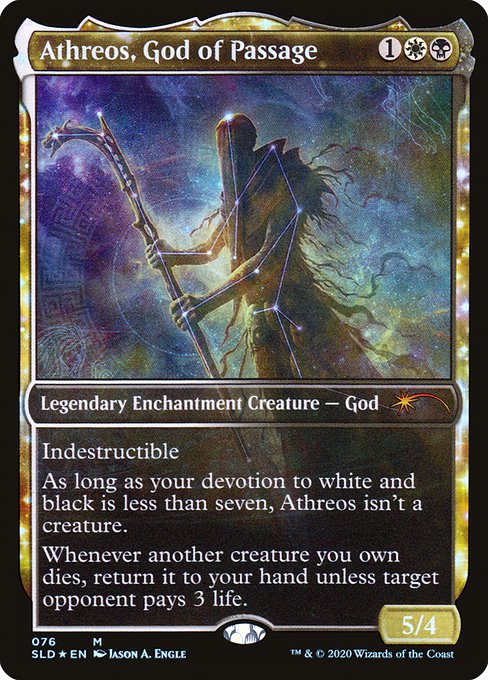
- Card Kingdom foil $37.99
- Cardmarket foil €39.79
- Mana Pool foil $35.90
- TCGplayer foil $40.52
Theros Stargazing: Vol. IV (Purphoros) 3 cards
-
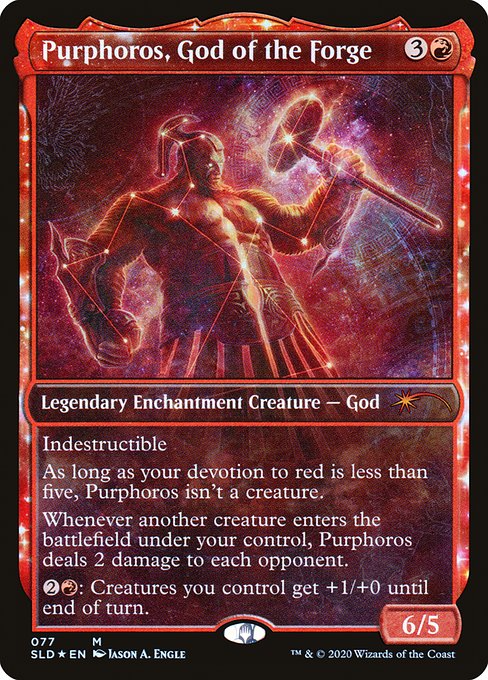
- Card Kingdom foil $47.99
- Cardmarket foil €56.95
- Mana Pool foil $51.42
- TCGplayer foil $57.87
-
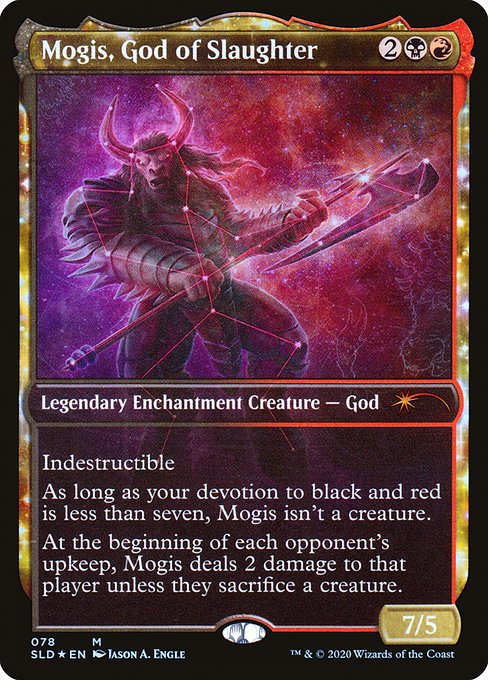
- Card Kingdom foil $12.99
- Cardmarket foil €11.43
- Mana Pool foil $8.67
- TCGplayer foil $13.36
-
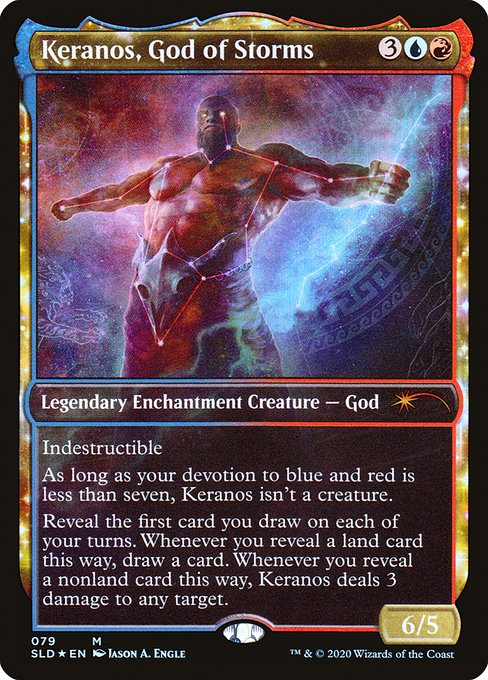
- Card Kingdom foil $19.99
- Cardmarket foil €17.67
- Mana Pool foil $11.46
- TCGplayer foil $16.69
Theros Stargazing: Vol. V (Nylea) 3 cards
-
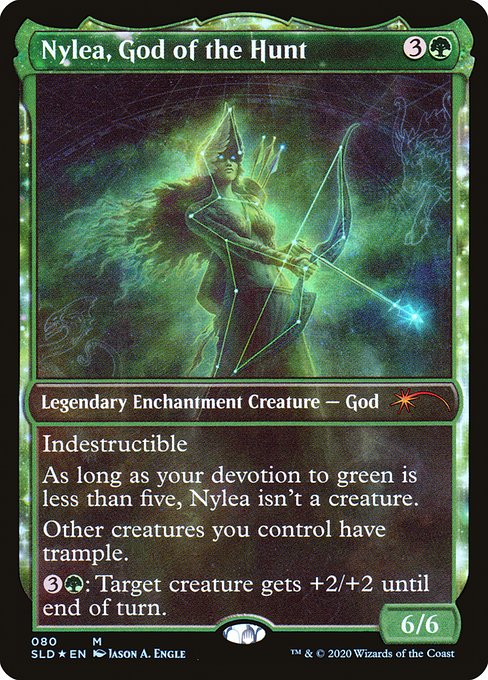
- Card Kingdom foil $19.99
- Cardmarket foil €20.94
- Mana Pool foil $17.70
- TCGplayer foil $23.63
-
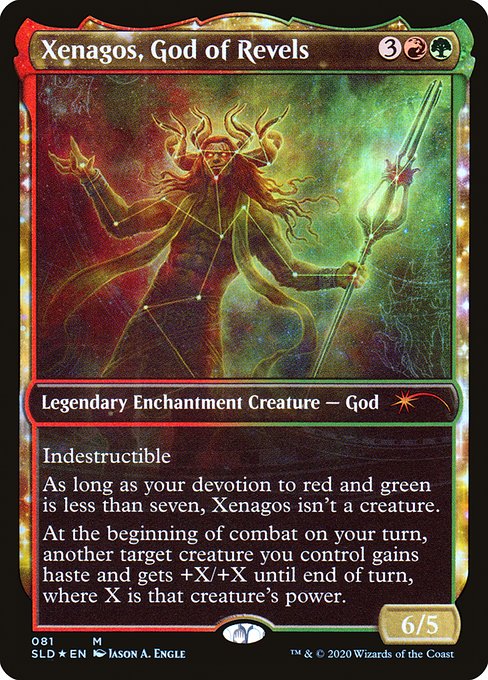
- Card Kingdom foil $22.99
- Cardmarket foil €21.35
- Mana Pool foil $20.63
- TCGplayer foil $23.96
-
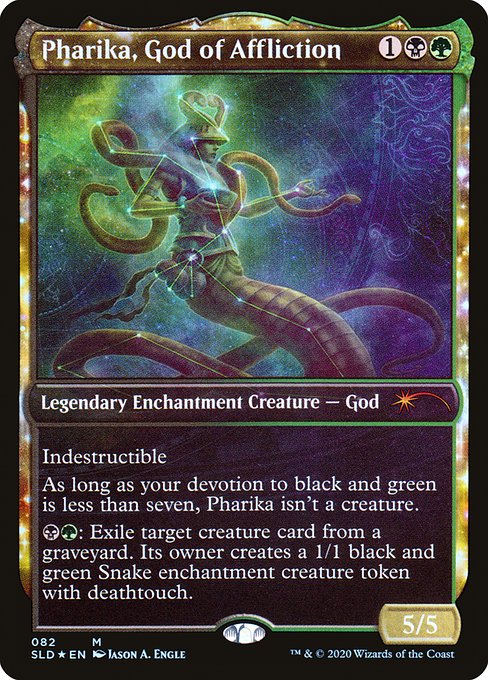
- Card Kingdom foil $8.49
- Cardmarket foil €7.41
- Mana Pool foil $7.78
- TCGplayer foil $10.01
The Store Price Against Buying the Cards One at a Time
The single-card total is each card's price at TCGplayer on , in US dollars. A total only shows when every card in the drop has a price.
| Drop | Version | Store Price | Cards One at a Time | Cheaper |
|---|---|---|---|---|
| Theros Stargazing: Vol. I (Heliod) | Foil | Price when it launched: $39.99, from a saved copy of the Secret Lair store page (Wayback Machine). | $64.70 | The store, by $24.71 |
| Theros Stargazing: Vol. II (Thassa) | Foil | Price when it launched: $39.99, from a saved copy of the Secret Lair store page (Wayback Machine). | $52.30 | The store, by $12.31 |
| Theros Stargazing: Vol. III (Erebos) | Foil | Price when it launched: $39.99, from a saved copy of the Secret Lair store page (Wayback Machine). | $96.64 | The store, by $56.65 |
| Theros Stargazing: Vol. IV (Purphoros) | Foil | Price when it launched: $39.99, from a saved copy of the Secret Lair store page (Wayback Machine). | $87.92 | The store, by $47.93 |
| Theros Stargazing: Vol. V (Nylea) | Foil | Price when it launched: $39.99, from a saved copy of the Secret Lair store page (Wayback Machine). | $57.60 | The store, by $17.61 |
Rulings for the Cards on This Page
explain how a card works in tricky situations. They come from Wizards of the Coast, the company that makes Magic.RulingThe official answer to how a card works in a tricky situation. Most rulings are written by Wizards of the Coast, the company that makes Magic, and a few are notes from Scryfall, the card database Magic players use. A ruling explains a card. It does not change what the card says.Open the full glossary
204 rulings for 15 cards
Athreos, God of Passage
When a God enters the battlefield, your devotion to its color (including the mana symbols in the mana cost of the God itself) will determine if a creature entered the battlefield or not for abilities that trigger whenever a creature enters the battlefield.
The type-changing ability that can make a God not be a creature functions only on the battlefield. It's always a creature card in other zones, regardless of your devotion to its color. It's always a creature spell while it's on the stack.
If a God stops being a creature, it loses the type creature and the creature type God. It continues to be a legendary enchantment.
The abilities of Gods function as long as they're on the battlefield, regardless of whether they're creatures.
If an effect causes a God to lose all abilities, its ability that causes it to stop being a creature still applies if appropriate.
Your devotion to two colors is the number of mana symbols among mana costs of permanents you control that are the first color, the second, or both. If an effect counts your devotion to two colors, a hybrid symbol that is both of those colors is counted just once.
As a God enters the battlefield, your devotion to its color will determine whether any replacement effects that affect creatures entering the battlefield apply to that God. Because replacement effects are considered before the God is on the battlefield, the mana symbols in its mana cost won't be counted when determining this.
Counters put on a God remain on it while it's not a creature, even if they have no effect.
If a God is attacking or blocking and it stops being a creature, it will be removed from combat. It won't rejoin combat if it resumes being a creature later during that combat.
You are a creature's owner if the card representing it began the game in your deck, or if it's a token that entered the battlefield under your control.
The target opponent chooses whether to pay 3 life when Athreos's last ability resolves. You won't return the card to your hand if that player pays 3 life or if the card leaves the graveyard before the ability resolves.
It doesn't matter who controlled the creature when it died. Athreos's last ability will trigger if you owned that creature.
If there are no legal targets for Athreos's last ability (perhaps because each of your opponents has hexproof), it will be removed from the stack with no effect. No one may pay 3 life and you won't return the creature card to your hand.
Athreos's last ability will trigger if a token creature you own dies. The target opponent has the option to pay 3 life, although the token can't return to your hand.
Ephara, God of the Polis
When a God enters the battlefield, your devotion to its color (including the mana symbols in the mana cost of the God itself) will determine if a creature entered the battlefield or not for abilities that trigger whenever a creature enters the battlefield.
The type-changing ability that can make a God not be a creature functions only on the battlefield. It's always a creature card in other zones, regardless of your devotion to its color. It's always a creature spell while it's on the stack.
If a God stops being a creature, it loses the type creature and the creature type God. It continues to be a legendary enchantment.
The abilities of Gods function as long as they're on the battlefield, regardless of whether they're creatures.
If an effect causes a God to lose all abilities, its ability that causes it to stop being a creature still applies if appropriate.
Your devotion to two colors is the number of mana symbols among mana costs of permanents you control that are the first color, the second, or both. If an effect counts your devotion to two colors, a hybrid symbol that is both of those colors is counted just once.
As a God enters the battlefield, your devotion to its color will determine whether any replacement effects that affect creatures entering the battlefield apply to that God. Because replacement effects are considered before the God is on the battlefield, the mana symbols in its mana cost won't be counted when determining this.
Counters put on a God remain on it while it's not a creature, even if they have no effect.
If a God is attacking or blocking and it stops being a creature, it will be removed from combat. It won't rejoin combat if it resumes being a creature later during that combat.
If a noncreature permanent you control (such as an Aura with bestow) becomes a creature, it will not cause Ephara's last ability to trigger the following turn. This is true even if that noncreature permanent became a creature the same turn it entered the battlefield.
The last ability will trigger regardless of what has happened to the creature that entered the battlefield on the previous turn. It doesn't matter whether it's still under your control or whether it's still on the battlefield.
Ephara's last ability checks at the beginning of each upkeep whether another creature entered the battlefield under your control last turn. If one did, it will trigger; otherwise, it won't. The ability will trigger only once no matter how many creatures entered the battlefield under your control that turn, as long as at least one did.
If an activated ability or triggered ability has an effect that depends on your devotion to a color, you count the number of mana symbols of that color among the mana costs of permanents you control as the ability resolves. The permanent with that ability will be counted if it's still on the battlefield at that time.
Mana symbols in the text boxes of permanents you control don't count toward your devotion to any color.
Hybrid mana symbols, monocolored hybrid mana symbols, and Phyrexian mana symbols do count toward your devotion to their color(s).
Numeric mana symbols ({0}, {1}, and so on) in mana costs of permanents you control don't count toward your devotion to any color.
Erebos, God of the Dead
When a God enters the battlefield, your devotion to its color (including the mana symbols in the mana cost of the God itself) will determine if a creature entered the battlefield or not for abilities that trigger whenever a creature enters the battlefield.
The type-changing ability that can make a God not be a creature functions only on the battlefield. It's always a creature card in other zones, regardless of your devotion to its color. It's always a creature spell while it's on the stack.
If a God stops being a creature, it loses the type creature and the creature type God. It continues to be a legendary enchantment.
The abilities of Gods function as long as they're on the battlefield, regardless of whether they're creatures.
If an effect causes a God to lose all abilities, its ability that causes it to stop being a creature still applies if appropriate.
As a God enters the battlefield, your devotion to its color will determine whether any replacement effects that affect creatures entering the battlefield apply to that God. Because replacement effects are considered before the God is on the battlefield, the mana symbols in its mana cost won't be counted when determining this.
Counters put on a God remain on it while it's not a creature, even if they have no effect.
If a God is attacking or blocking and it stops being a creature, it will be removed from combat. It won't rejoin combat if it resumes being a creature later during that combat.
If an activated ability or triggered ability has an effect that depends on your devotion to a color, you count the number of mana symbols of that color among the mana costs of permanents you control as the ability resolves. The permanent with that ability will be counted if it's still on the battlefield at that time.
Mana symbols in the text boxes of permanents you control don't count toward your devotion to any color.
Hybrid mana symbols, monocolored hybrid mana symbols, and Phyrexian mana symbols do count toward your devotion to their color(s).
Numeric mana symbols ({0}, {1}, and so on) in mana costs of permanents you control don't count toward your devotion to any color.
Heliod, God of the Sun
When a God enters the battlefield, your devotion to its color (including the mana symbols in the mana cost of the God itself) will determine if a creature entered the battlefield or not for abilities that trigger whenever a creature enters the battlefield.
The type-changing ability that can make a God not be a creature functions only on the battlefield. It's always a creature card in other zones, regardless of your devotion to its color. It's always a creature spell while it's on the stack.
If a God stops being a creature, it loses the type creature and the creature type God. It continues to be a legendary enchantment.
The abilities of Gods function as long as they're on the battlefield, regardless of whether they're creatures.
If an effect causes a God to lose all abilities, its ability that causes it to stop being a creature still applies if appropriate.
As a God enters the battlefield, your devotion to its color will determine whether any replacement effects that affect creatures entering the battlefield apply to that God. Because replacement effects are considered before the God is on the battlefield, the mana symbols in its mana cost won't be counted when determining this.
Counters put on a God remain on it while it's not a creature, even if they have no effect.
If a God is attacking or blocking and it stops being a creature, it will be removed from combat. It won't rejoin combat if it resumes being a creature later during that combat.
If an activated ability or triggered ability has an effect that depends on your devotion to a color, you count the number of mana symbols of that color among the mana costs of permanents you control as the ability resolves. The permanent with that ability will be counted if it's still on the battlefield at that time.
Mana symbols in the text boxes of permanents you control don't count toward your devotion to any color.
Hybrid mana symbols, monocolored hybrid mana symbols, and Phyrexian mana symbols do count toward your devotion to their color(s).
Numeric mana symbols ({0}, {1}, and so on) in mana costs of permanents you control don't count toward your devotion to any color.
Iroas, God of Victory
When a God enters the battlefield, your devotion to its color (including the mana symbols in the mana cost of the God itself) will determine if a creature entered the battlefield or not for abilities that trigger whenever a creature enters the battlefield.
The type-changing ability that can make a God not be a creature functions only on the battlefield. It's always a creature card in other zones, regardless of your devotion to its color. It's always a creature spell while it's on the stack.
If a God stops being a creature, it loses the type creature and the creature type God. It continues to be a legendary enchantment.
The abilities of Gods function as long as they're on the battlefield, regardless of whether they're creatures.
If an effect causes a God to lose all abilities, its ability that causes it to stop being a creature still applies if appropriate.
Your devotion to two colors is the number of mana symbols among mana costs of permanents you control that are the first color, the second, or both. If an effect counts your devotion to two colors, a hybrid symbol that is both of those colors is counted just once.
As a God enters the battlefield, your devotion to its color will determine whether any replacement effects that affect creatures entering the battlefield apply to that God. Because replacement effects are considered before the God is on the battlefield, the mana symbols in its mana cost won't be counted when determining this.
Counters put on a God remain on it while it's not a creature, even if they have no effect.
If a God is attacking or blocking and it stops being a creature, it will be removed from combat. It won't rejoin combat if it resumes being a creature later during that combat.
Iroas's last ability prevents all damage dealt to attacking creatures you control, not just combat damage.
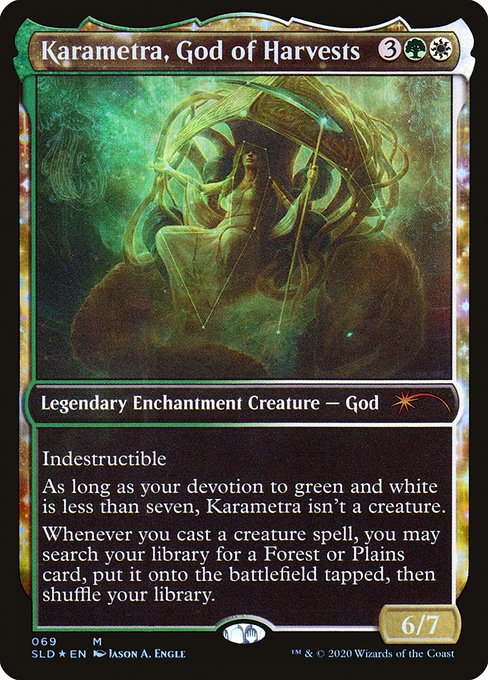
Karametra, God of Harvests
An ability that triggers when a player casts a spell resolves before the spell that caused it to trigger. It resolves even if that spell is countered.
The type-changing ability that can make Karametra not be a creature functions only on the battlefield. It's always a creature card in other zones, regardless of your devotion to its color. It's always a creature spell while it's on the stack.
As Karametra enters the battlefield, your devotion to green and white will determine whether any replacement effects that affect creatures entering the battlefield apply. Because replacement effects are considered before Karametra is on the battlefield, the mana symbols in its mana cost won't be counted when determining this.
If an effect causes Karametra to lose all abilities, its ability that causes it to stop being a creature still applies if appropriate.
When Karametra enters the battlefield, your devotion to green and white will determine if a creature entered the battlefield or not for abilities that trigger whenever a creature enters the battlefield. The mana symbols in Karametra's own mana cost are counted when determining this.
If Karametra is attacking or blocking and it stops being a creature, it will be removed from combat. It won't rejoin combat if it resumes being a creature later during that combat.
Your devotion to two colors is the number of mana symbols among mana costs of permanents you control that are the first color, the second, or both. If an effect counts your devotion to two colors, a hybrid symbol that is both of those colors is counted just once.
Karametra's abilities function as long as it's on the battlefield, regardless of whether it's a creature.
If Karametra stops being a creature, it loses the type creature and the creature type God. It continues to be a legendary enchantment.
Counters put on Karametra remain on it while it's not a creature, even if they have no effect.
When a God enters the battlefield, your devotion to its color (including the mana symbols in the mana cost of the God itself) will determine if a creature entered the battlefield or not for abilities that trigger whenever a creature enters the battlefield.
The type-changing ability that can make a God not be a creature functions only on the battlefield. It's always a creature card in other zones, regardless of your devotion to its color. It's always a creature spell while it's on the stack.
If a God stops being a creature, it loses the type creature and the creature type God. It continues to be a legendary enchantment.
The abilities of Gods function as long as they're on the battlefield, regardless of whether they're creatures.
If an effect causes a God to lose all abilities, its ability that causes it to stop being a creature still applies if appropriate.
Your devotion to two colors is the number of mana symbols among mana costs of permanents you control that are the first color, the second, or both. If an effect counts your devotion to two colors, a hybrid symbol that is both of those colors is counted just once.
As a God enters the battlefield, your devotion to its color will determine whether any replacement effects that affect creatures entering the battlefield apply to that God. Because replacement effects are considered before the God is on the battlefield, the mana symbols in its mana cost won't be counted when determining this.
Counters put on a God remain on it while it's not a creature, even if they have no effect.
If a God is attacking or blocking and it stops being a creature, it will be removed from combat. It won't rejoin combat if it resumes being a creature later during that combat.
If you cast a creature card with bestow for its bestow cost, it becomes an Aura spell and not a creature spell. Karametra's last ability won't trigger.
You can use the last ability to put any land card with the subtype Forest or Plains onto the battlefield, not just ones named Forest or Plains.
If an activated ability or triggered ability has an effect that depends on your devotion to a color, you count the number of mana symbols of that color among the mana costs of permanents you control as the ability resolves. The permanent with that ability will be counted if it's still on the battlefield at that time.
Mana symbols in the text boxes of permanents you control don't count toward your devotion to any color.
Hybrid mana symbols, monocolored hybrid mana symbols, and Phyrexian mana symbols do count toward your devotion to their color(s).
Numeric mana symbols ({0}, {1}, and so on) in mana costs of permanents you control don't count toward your devotion to any color.
Keranos, God of Storms
When a God enters the battlefield, your devotion to its color (including the mana symbols in the mana cost of the God itself) will determine if a creature entered the battlefield or not for abilities that trigger whenever a creature enters the battlefield.
The type-changing ability that can make a God not be a creature functions only on the battlefield. It's always a creature card in other zones, regardless of your devotion to its color. It's always a creature spell while it's on the stack.
If a God stops being a creature, it loses the type creature and the creature type God. It continues to be a legendary enchantment.
The abilities of Gods function as long as they're on the battlefield, regardless of whether they're creatures.
If an effect causes a God to lose all abilities, its ability that causes it to stop being a creature still applies if appropriate.
Your devotion to two colors is the number of mana symbols among mana costs of permanents you control that are the first color, the second, or both. If an effect counts your devotion to two colors, a hybrid symbol that is both of those colors is counted just once.
As a God enters the battlefield, your devotion to its color will determine whether any replacement effects that affect creatures entering the battlefield apply to that God. Because replacement effects are considered before the God is on the battlefield, the mana symbols in its mana cost won't be counted when determining this.
Counters put on a God remain on it while it's not a creature, even if they have no effect.
If a God is attacking or blocking and it stops being a creature, it will be removed from combat. It won't rejoin combat if it resumes being a creature later during that combat.
If you reveal a land card this way, Keranos's triggered ability will cause you to draw another card.
Kruphix, God of Horizons
When a God enters the battlefield, your devotion to its color (including the mana symbols in the mana cost of the God itself) will determine if a creature entered the battlefield or not for abilities that trigger whenever a creature enters the battlefield.
The type-changing ability that can make a God not be a creature functions only on the battlefield. It's always a creature card in other zones, regardless of your devotion to its color. It's always a creature spell while it's on the stack.
If a God stops being a creature, it loses the type creature and the creature type God. It continues to be a legendary enchantment.
The abilities of Gods function as long as they're on the battlefield, regardless of whether they're creatures.
If an effect causes a God to lose all abilities, its ability that causes it to stop being a creature still applies if appropriate.
Your devotion to two colors is the number of mana symbols among mana costs of permanents you control that are the first color, the second, or both. If an effect counts your devotion to two colors, a hybrid symbol that is both of those colors is counted just once.
As a God enters the battlefield, your devotion to its color will determine whether any replacement effects that affect creatures entering the battlefield apply to that God. Because replacement effects are considered before the God is on the battlefield, the mana symbols in its mana cost won't be counted when determining this.
Counters put on a God remain on it while it's not a creature, even if they have no effect.
If a God is attacking or blocking and it stops being a creature, it will be removed from combat. It won't rejoin combat if it resumes being a creature later during that combat.
As long as Kruphix is on the battlefield, you'll keep unspent mana as steps and phases end (although it will become colorless). This means you can add mana and spend it during a future step, phase, or turn. Once Kruphix leaves the battlefield, you have until the end of the current step or phase to use the mana before it disappears.
If unspent mana has any restrictions or riders associated with it (for example, if it was produced by Cavern of Souls), those restrictions or riders will remain associated with that mana when it becomes colorless.
Mogis, God of Slaughter
When a God enters the battlefield, your devotion to its color (including the mana symbols in the mana cost of the God itself) will determine if a creature entered the battlefield or not for abilities that trigger whenever a creature enters the battlefield.
The type-changing ability that can make a God not be a creature functions only on the battlefield. It's always a creature card in other zones, regardless of your devotion to its color. It's always a creature spell while it's on the stack.
If a God stops being a creature, it loses the type creature and the creature type God. It continues to be a legendary enchantment.
The abilities of Gods function as long as they're on the battlefield, regardless of whether they're creatures.
If an effect causes a God to lose all abilities, its ability that causes it to stop being a creature still applies if appropriate.
Your devotion to two colors is the number of mana symbols among mana costs of permanents you control that are the first color, the second, or both. If an effect counts your devotion to two colors, a hybrid symbol that is both of those colors is counted just once.
As a God enters the battlefield, your devotion to its color will determine whether any replacement effects that affect creatures entering the battlefield apply to that God. Because replacement effects are considered before the God is on the battlefield, the mana symbols in its mana cost won't be counted when determining this.
Counters put on a God remain on it while it's not a creature, even if they have no effect.
If a God is attacking or blocking and it stops being a creature, it will be removed from combat. It won't rejoin combat if it resumes being a creature later during that combat.
If the player can't sacrifice a creature (usually because they don't control one), Mogis will deal 2 damage to them.
If an activated ability or triggered ability has an effect that depends on your devotion to a color, you count the number of mana symbols of that color among the mana costs of permanents you control as the ability resolves. The permanent with that ability will be counted if it's still on the battlefield at that time.
Mana symbols in the text boxes of permanents you control don't count toward your devotion to any color.
Hybrid mana symbols, monocolored hybrid mana symbols, and Phyrexian mana symbols do count toward your devotion to their color(s).
Numeric mana symbols ({0}, {1}, and so on) in mana costs of permanents you control don't count toward your devotion to any color.
Nylea, God of the Hunt
When a God enters the battlefield, your devotion to its color (including the mana symbols in the mana cost of the God itself) will determine if a creature entered the battlefield or not for abilities that trigger whenever a creature enters the battlefield.
The type-changing ability that can make a God not be a creature functions only on the battlefield. It's always a creature card in other zones, regardless of your devotion to its color. It's always a creature spell while it's on the stack.
If a God stops being a creature, it loses the type creature and the creature type God. It continues to be a legendary enchantment.
The abilities of Gods function as long as they're on the battlefield, regardless of whether they're creatures.
If an effect causes a God to lose all abilities, its ability that causes it to stop being a creature still applies if appropriate.
As a God enters the battlefield, your devotion to its color will determine whether any replacement effects that affect creatures entering the battlefield apply to that God. Because replacement effects are considered before the God is on the battlefield, the mana symbols in its mana cost won't be counted when determining this.
Counters put on a God remain on it while it's not a creature, even if they have no effect.
If a God is attacking or blocking and it stops being a creature, it will be removed from combat. It won't rejoin combat if it resumes being a creature later during that combat.
If an activated ability or triggered ability has an effect that depends on your devotion to a color, you count the number of mana symbols of that color among the mana costs of permanents you control as the ability resolves. The permanent with that ability will be counted if it's still on the battlefield at that time.
Mana symbols in the text boxes of permanents you control don't count toward your devotion to any color.
Hybrid mana symbols, monocolored hybrid mana symbols, and Phyrexian mana symbols do count toward your devotion to their color(s).
Numeric mana symbols ({0}, {1}, and so on) in mana costs of permanents you control don't count toward your devotion to any color.
Pharika, God of Affliction
When a God enters the battlefield, your devotion to its color (including the mana symbols in the mana cost of the God itself) will determine if a creature entered the battlefield or not for abilities that trigger whenever a creature enters the battlefield.
The type-changing ability that can make a God not be a creature functions only on the battlefield. It's always a creature card in other zones, regardless of your devotion to its color. It's always a creature spell while it's on the stack.
If a God stops being a creature, it loses the type creature and the creature type God. It continues to be a legendary enchantment.
The abilities of Gods function as long as they're on the battlefield, regardless of whether they're creatures.
If an effect causes a God to lose all abilities, its ability that causes it to stop being a creature still applies if appropriate.
Your devotion to two colors is the number of mana symbols among mana costs of permanents you control that are the first color, the second, or both. If an effect counts your devotion to two colors, a hybrid symbol that is both of those colors is counted just once.
As a God enters the battlefield, your devotion to its color will determine whether any replacement effects that affect creatures entering the battlefield apply to that God. Because replacement effects are considered before the God is on the battlefield, the mana symbols in its mana cost won't be counted when determining this.
Counters put on a God remain on it while it's not a creature, even if they have no effect.
If a God is attacking or blocking and it stops being a creature, it will be removed from combat. It won't rejoin combat if it resumes being a creature later during that combat.
Phenax, God of Deception
When a God enters the battlefield, your devotion to its color (including the mana symbols in the mana cost of the God itself) will determine if a creature entered the battlefield or not for abilities that trigger whenever a creature enters the battlefield.
The type-changing ability that can make a God not be a creature functions only on the battlefield. It's always a creature card in other zones, regardless of your devotion to its color. It's always a creature spell while it's on the stack.
If a God stops being a creature, it loses the type creature and the creature type God. It continues to be a legendary enchantment.
The abilities of Gods function as long as they're on the battlefield, regardless of whether they're creatures.
If an effect causes a God to lose all abilities, its ability that causes it to stop being a creature still applies if appropriate.
Your devotion to two colors is the number of mana symbols among mana costs of permanents you control that are the first color, the second, or both. If an effect counts your devotion to two colors, a hybrid symbol that is both of those colors is counted just once.
As a God enters the battlefield, your devotion to its color will determine whether any replacement effects that affect creatures entering the battlefield apply to that God. Because replacement effects are considered before the God is on the battlefield, the mana symbols in its mana cost won't be counted when determining this.
Counters put on a God remain on it while it's not a creature, even if they have no effect.
If a God is attacking or blocking and it stops being a creature, it will be removed from combat. It won't rejoin combat if it resumes being a creature later during that combat.
If you tap Phenax to activate the ability it grants itself, and Phenax is no longer a creature but still on the battlefield as that ability resolves, no cards will be put into the target player's graveyard. Similarly, if Phenax isn't on the battlefield as the ability resolves and wasn't a creature when it left the battlefield, no cards will be put into the graveyard.
If Phenax is a creature, it will grant itself the activated ability.
If you activate the ability Phenax grants to creatures you control, the toughness of the creature is calculated as the ability resolves. If the creature is no longer on the battlefield at that time, use its toughness when it was last on the battlefield.
If an activated ability or triggered ability has an effect that depends on your devotion to a color, you count the number of mana symbols of that color among the mana costs of permanents you control as the ability resolves. The permanent with that ability will be counted if it's still on the battlefield at that time.
Mana symbols in the text boxes of permanents you control don't count toward your devotion to any color.
Hybrid mana symbols, monocolored hybrid mana symbols, and Phyrexian mana symbols do count toward your devotion to their color(s).
Numeric mana symbols ({0}, {1}, and so on) in mana costs of permanents you control don't count toward your devotion to any color.
Purphoros, God of the Forge
When a God enters the battlefield, your devotion to its color (including the mana symbols in the mana cost of the God itself) will determine if a creature entered the battlefield or not for abilities that trigger whenever a creature enters the battlefield.
The type-changing ability that can make a God not be a creature functions only on the battlefield. It's always a creature card in other zones, regardless of your devotion to its color. It's always a creature spell while it's on the stack.
If a God stops being a creature, it loses the type creature and the creature type God. It continues to be a legendary enchantment.
The abilities of Gods function as long as they're on the battlefield, regardless of whether they're creatures.
If an effect causes a God to lose all abilities, its ability that causes it to stop being a creature still applies if appropriate.
As a God enters the battlefield, your devotion to its color will determine whether any replacement effects that affect creatures entering the battlefield apply to that God. Because replacement effects are considered before the God is on the battlefield, the mana symbols in its mana cost won't be counted when determining this.
Counters put on a God remain on it while it's not a creature, even if they have no effect.
If a God is attacking or blocking and it stops being a creature, it will be removed from combat. It won't rejoin combat if it resumes being a creature later during that combat.
If an activated ability or triggered ability has an effect that depends on your devotion to a color, you count the number of mana symbols of that color among the mana costs of permanents you control as the ability resolves. The permanent with that ability will be counted if it's still on the battlefield at that time.
Mana symbols in the text boxes of permanents you control don't count toward your devotion to any color.
Hybrid mana symbols, monocolored hybrid mana symbols, and Phyrexian mana symbols do count toward your devotion to their color(s).
Numeric mana symbols ({0}, {1}, and so on) in mana costs of permanents you control don't count toward your devotion to any color.
Thassa, God of the Sea
When a God enters the battlefield, your devotion to its color (including the mana symbols in the mana cost of the God itself) will determine if a creature entered the battlefield or not for abilities that trigger whenever a creature enters the battlefield.
The type-changing ability that can make a God not be a creature functions only on the battlefield. It's always a creature card in other zones, regardless of your devotion to its color. It's always a creature spell while it's on the stack.
If a God stops being a creature, it loses the type creature and the creature type God. It continues to be a legendary enchantment.
The abilities of Gods function as long as they're on the battlefield, regardless of whether they're creatures.
If an effect causes a God to lose all abilities, its ability that causes it to stop being a creature still applies if appropriate.
As a God enters the battlefield, your devotion to its color will determine whether any replacement effects that affect creatures entering the battlefield apply to that God. Because replacement effects are considered before the God is on the battlefield, the mana symbols in its mana cost won't be counted when determining this.
Counters put on a God remain on it while it's not a creature, even if they have no effect.
If a God is attacking or blocking and it stops being a creature, it will be removed from combat. It won't rejoin combat if it resumes being a creature later during that combat.
When you scry, you may put all the cards you look at back on top of your library, you may put all of those cards on the bottom of your library, or you may put some of those cards on top and the rest of them on the bottom.
If an activated ability or triggered ability has an effect that depends on your devotion to a color, you count the number of mana symbols of that color among the mana costs of permanents you control as the ability resolves. The permanent with that ability will be counted if it's still on the battlefield at that time.
Scry appears on some spells and abilities with one or more targets. If all of the spell or ability's targets are illegal when it tries to resolve, it won't resolve and none of its effects will happen. You won't scry.
You perform the actions stated on a card in sequence. For some spells and abilities, that means you'll scry last. For others, that means you'll scry and then perform other actions.
Mana symbols in the text boxes of permanents you control don't count toward your devotion to any color.
Hybrid mana symbols, monocolored hybrid mana symbols, and Phyrexian mana symbols do count toward your devotion to their color(s).
Activating Thassa's last ability after the target creature has been blocked won't change or undo the block.
Numeric mana symbols ({0}, {1}, and so on) in mana costs of permanents you control don't count toward your devotion to any color.
You choose how to order cards returned to your library after scrying no matter where you put them.
Xenagos, God of Revels
Xenagos's abilities function as long as it's on the battlefield, regardless of whether it's a creature.
Counters put on Xenagos remain on it while it's not a creature, even if they have no effect.
If Xenagos stops being a creature, it loses the type creature and the creature type God. It continues to be a legendary enchantment.
As Xenagos enters the battlefield, your devotion to red and green will determine whether any replacement effects that affect creatures entering the battlefield apply. Because replacement effects are considered before Xenagos is on the battlefield, the mana symbols in its mana cost won't be counted when determining this.
The type-changing ability that can make Xenagos not be a creature functions only on the battlefield. It's always a creature card in other zones, regardless of your devotion to red and green. It's always a creature spell while it's on the stack.
If an effect causes Xenagos to lose all abilities, its ability that causes it to stop being a creature still applies if appropriate.
Your devotion to two colors is the number of mana symbols among mana costs of permanents you control that are the first color, the second, or both. If an effect counts your devotion to two colors, a hybrid symbol that is both of those colors is counted just once.
If Xenagos is attacking or blocking and it stops being a creature, it will be removed from combat. It won't rejoin combat if it resumes being a creature later during that combat.
When Xenagos enters the battlefield, your devotion to red and green will determine if a creature entered the battlefield or not for abilities that trigger whenever a creature enters the battlefield. The mana symbols in Xenagos's own mana cost are counted when determining this.
The value of X is calculated only once, as the ability resolves.
If an activated ability or triggered ability has an effect that depends on your devotion to a color, you count the number of mana symbols of that color among the mana costs of permanents you control as the ability resolves. The permanent with that ability will be counted if it's still on the battlefield at that time.
Mana symbols in the text boxes of permanents you control don't count toward your devotion to any color.
Hybrid mana symbols, monocolored hybrid mana symbols, and Phyrexian mana symbols do count toward your devotion to their color(s).
Numeric mana symbols ({0}, {1}, and so on) in mana costs of permanents you control don't count toward your devotion to any color.
Also Printed in Other Drops
Some of these cards came in other Secret Lair drops too, each with its own art.
Portions of Commander Nexus are unofficial Fan Content permitted under the Fan Content Policy. Not approved or endorsed by Wizards. Literal and graphical information about Magic: The Gathering, including card images and mana symbols, is copyright Wizards of the Coast, LLC.