- Commander Nexus
- Commanders
- Etrata, Deadly Fugitive
Command zone
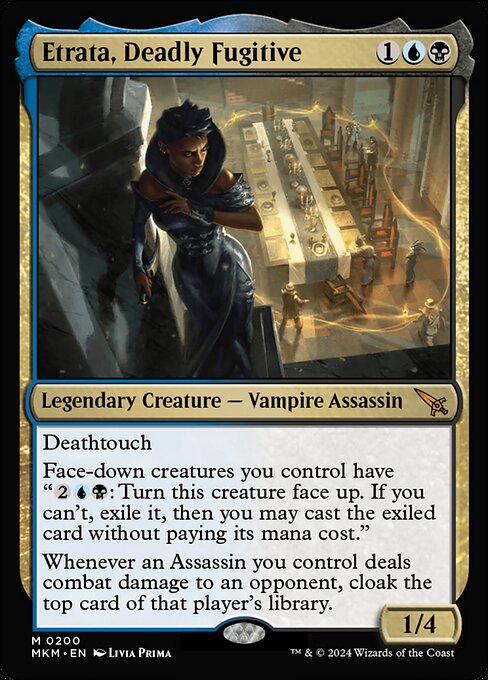
Etrata, Deadly Fugitive
Legendary Creature — Vampire Assassin
Etrata wants a deck that plays creatures face down and flips them for a surprise. It also suits a deck that casts extra spells for free off the top of its deck.
- Mana cost


- Blue, Black ()
- Power / toughness1 / 4
- RarityMythic
Deathtouch
Face-down creatures you control have " : Turn this creature face up. If you can't, exile it, then you may cast the exiled card without paying its mana cost."
Whenever an Assassin you control deals combat damage to an opponent, cloak the top card of that player's library.
Build a deck with Etrata Find it in the app
- Archetypes
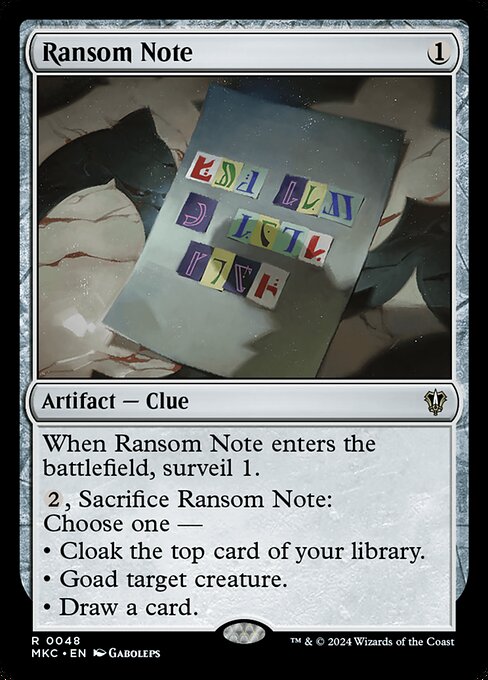
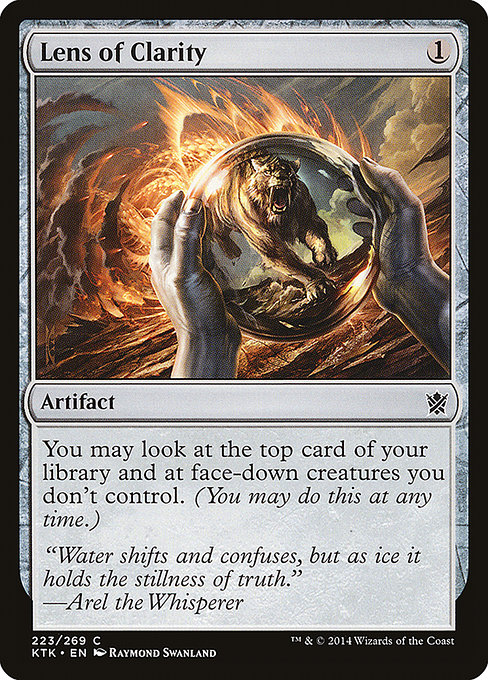
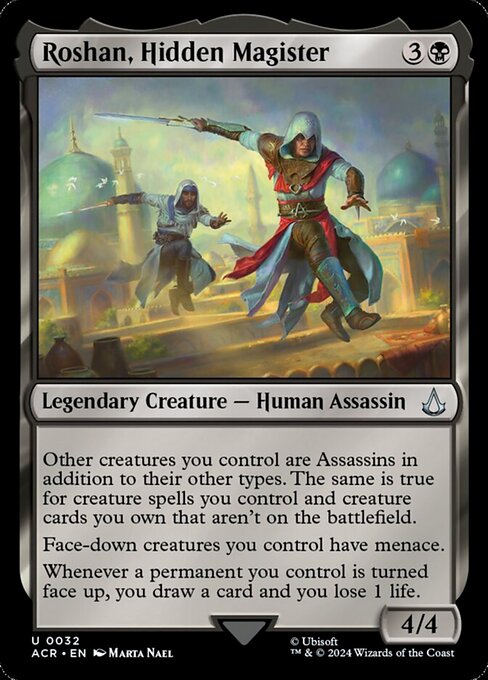
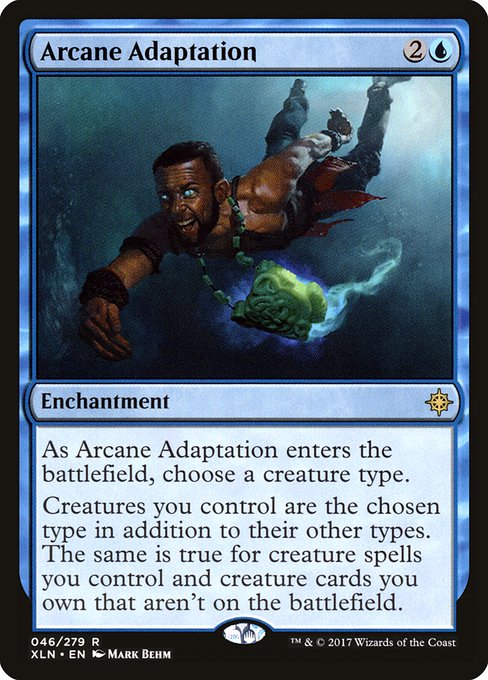
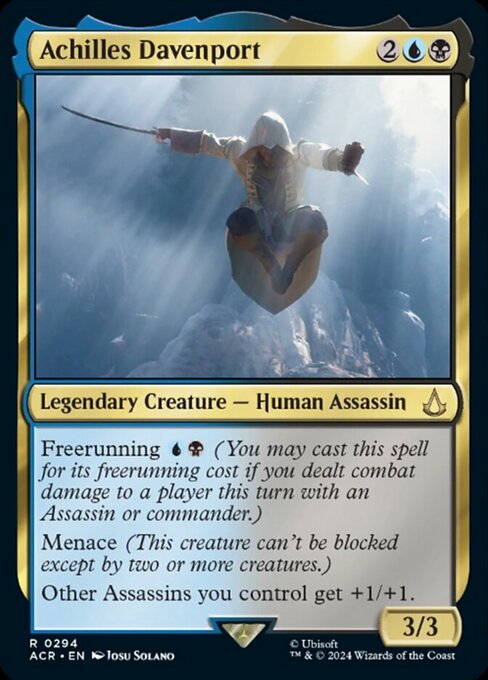
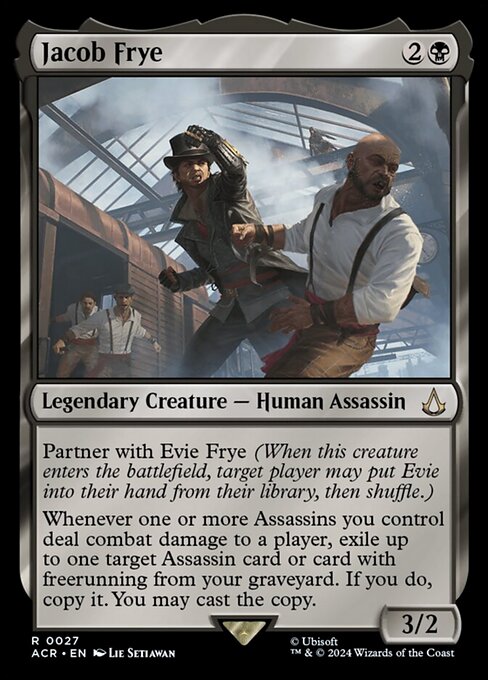
Cards That Fit Etrata, Deadly Fugitive
Picked for what they do in Etrata's deck. When two cards do the same job, the one with the lower comes first. All of them fit Etrata's color identity.Mana ValueThe total amount of mana a card costs, all added up. A card costing two generic and one green has a mana value of three. Wizards renamed this from "converted mana cost" in 2021, so older cards and articles may still use the old name. Open the full glossary
plan6



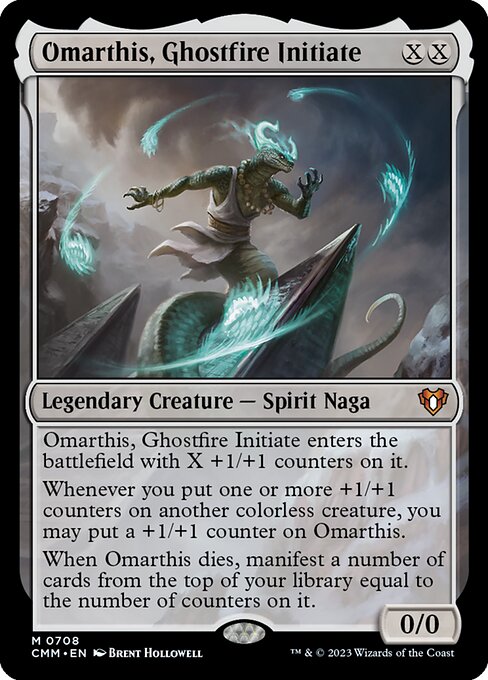
plan6
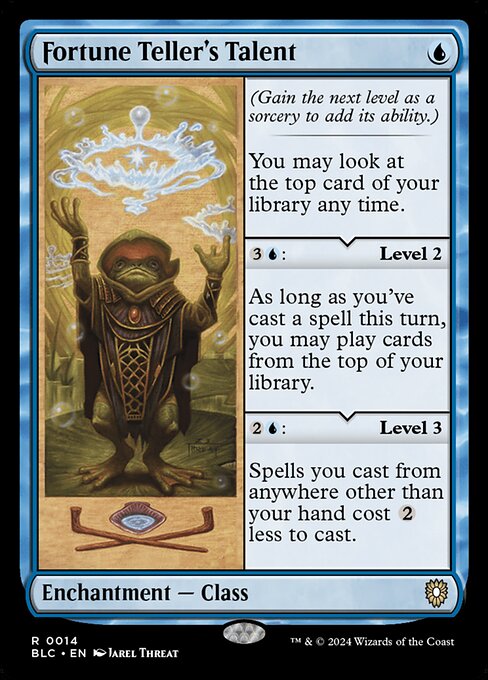

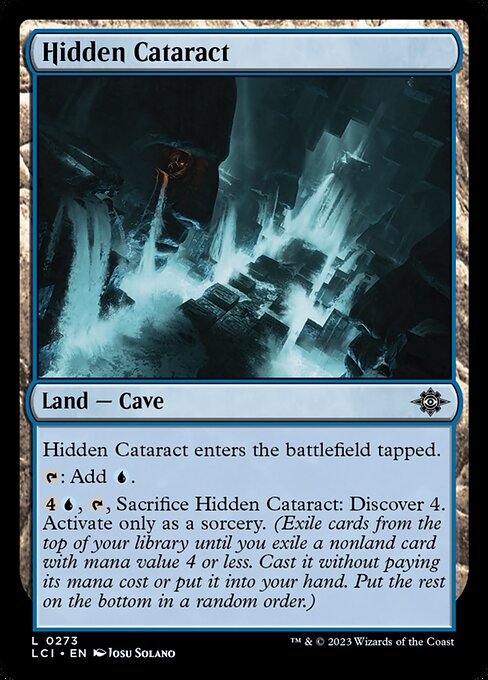

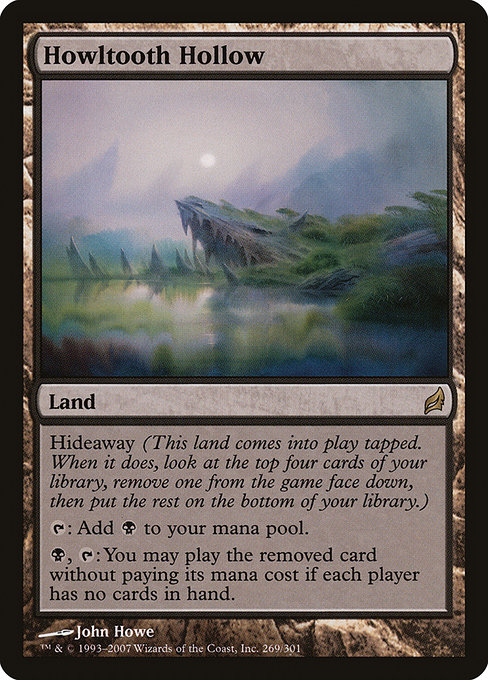

plan6



plan6



Rulings for Etrata, Deadly Fugitive
explain how Etrata works in tricky situations. They come from Wizards of the Coast, the company that makes Magic.RulingThe official answer to how a card works in a tricky situation. Most rulings are written by Wizards of the Coast, the company that makes Magic, and a few are notes from Scryfall, the card database Magic players use. A ruling explains a card. It does not change what the card says.Open the full glossary
A permanent that turns face up or face down changes characteristics but is otherwise the same permanent. Spells and abilities that were targeting that permanent and Auras and Equipment that were attached to that permanent aren't affected unless the new characteristics of the object change the legality of those targets or attachments.
Any time you have priority, you can turn a cloaked permanent you control face-up by revealing that it's a creature card (ignoring any copy effects or type-changing effects that might be applying to it) and paying its mana cost. This is a special action. It doesn't use the stack and can't be responded to.
At any time, you can look at a face-down spell or permanent you control. You can't look at face-down permanents or spells you don't control unless an effect instructs or allows you to do so.
Because face-down creatures don't have a name, they can't have the same name as any other creature, even another face-down creature.
Because the permanent is on the battlefield both before and after it's turned face up, turning a permanent face up doesn't cause any enters-the-battlefield abilities to trigger.
If a cloaked creature would have disguise (or morph) if it were face up, you may also turn it face up by paying its disguise (or morph) cost.
If a double-faced card is cloaked, it will be put onto the battlefield face down. While face down, it can't transform. If the front face of the card is a creature card, you can turn it face up by paying its mana cost. If you do, its front face will be up.
If a face-down creature loses its abilities, it can't be turned face up with a disguise ability because it will no longer have a disguise ability (or a disguise cost) once face up.
If a face-down spell leaves the stack and goes to any zone other than the battlefield (if it was countered, for example), you must reveal it. Similarly, if a face-down permanent leaves the battlefield, you must reveal it. You must also reveal all face-down spells and permanents you control if you leave the game or the game ends.
If something tries to turn a face-down instant or sorcery card on the battlefield face up, reveal that card to show all players it's an instant or sorcery card. The permanent remains on the battlefield face down. Abilities that trigger when a permanent turns face up won't trigger, because even though you revealed the card, it never turned face up.
If the spell you cast has {X} in its mana cost, you must choose 0 as the value of X when casting it without paying its mana cost.
If you cast a spell "without paying its mana cost", you can't choose to cast it for any alternative costs. You can, however, pay additional costs, such as kicker costs. If the card has any mandatory additional costs, such as that of Demand Answers, those must be paid to cast the spell.
In a multiplayer game, if an opponent leaves the game, all of the cards they own that you cloaked leave as well. If you leave the game, the creatures you cloaked with Etrata, Deadly Fugitive's triggered ability are exiled.
To cloak a card, put it onto the battlefield face down. It becomes a 2/2 face-down creature card with ward {2} and no name, mana cost, or creature types. It's colorless and has a mana value of 0. Other effects that apply to the permanent can still grant it any characteristics it doesn't have or change the characteristics it does have.
Turning a permanent face up or face down doesn't change whether that permanent is tapped or untapped.
Unlike a face-down creature that was cast using a disguise or morph ability, a cloaked creature may still be turned face up after it loses its abilities if it's a creature card.
You might be unable to turn a face-down creature face up because it's an instant or sorcery. Alternatively, abilities such as that of Karlov Watchdog might prevent you from turning face-down creatures face up altogether. In those cases, you'll exile that creature, and then you'll choose whether or not to cast that card without paying its mana cost.
You must ensure that your face-down spells and permanents can be easily differentiated from each other. You're not allowed to mix up the cards that represent them on the battlefield to confuse other players. The order in which they entered the battlefield should remain clear, as well as what ability caused them to be face down. (This includes disguise, cloak, and in games involving older cards, morph and manifest, as well as a few other effects that turn cards face down.) Common methods for doing this include using markers or dice, or simply placing them in order on the battlefield.
Your opponents can't look at cards they own that you cloaked.
19 rulings, all written by Wizards of the Coast. Read the originals on Gatherer ↗
Similar Commanders
Commanders that share the most with Etrata, and what they share.