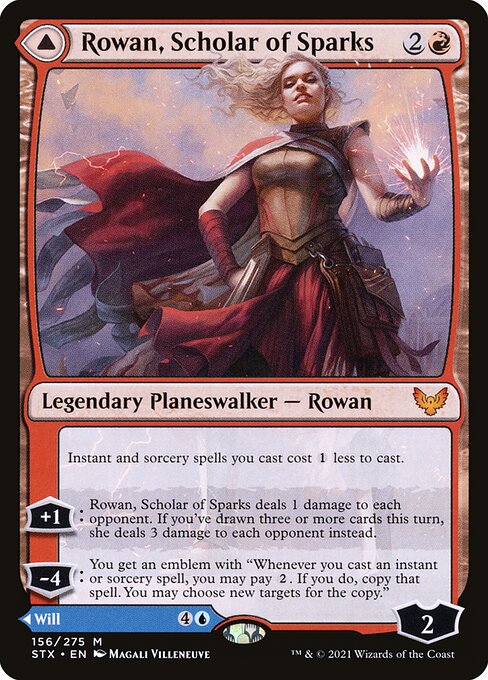
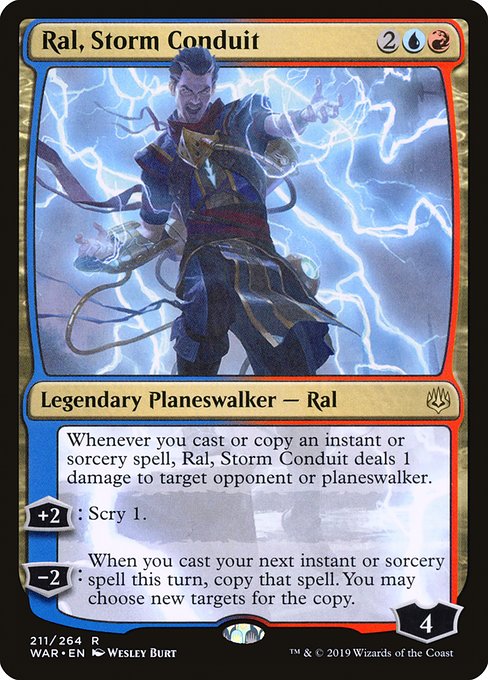
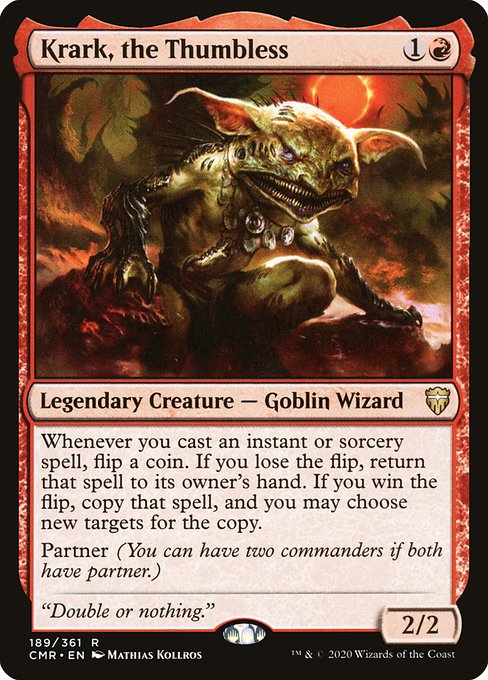
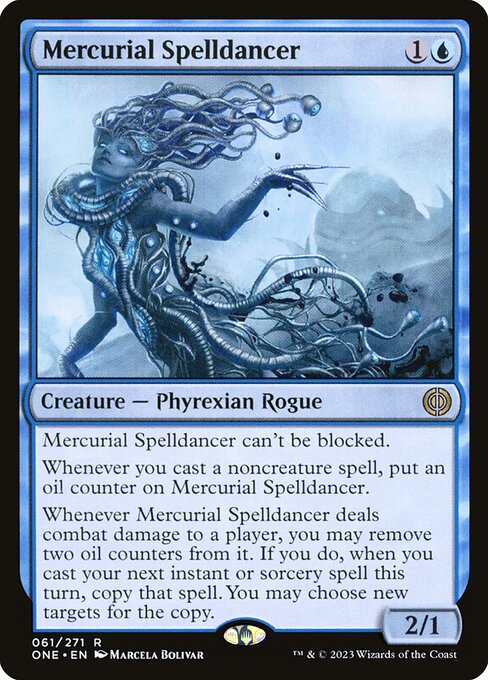
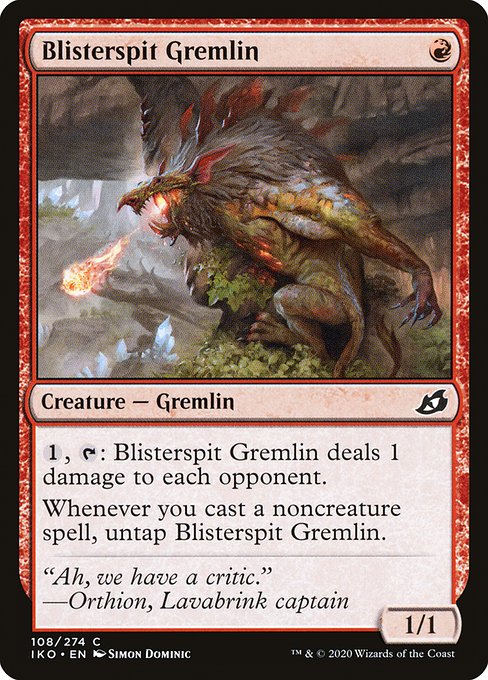
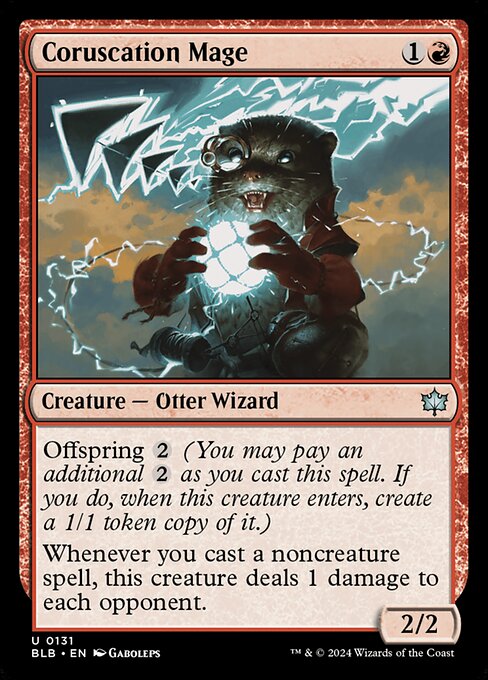
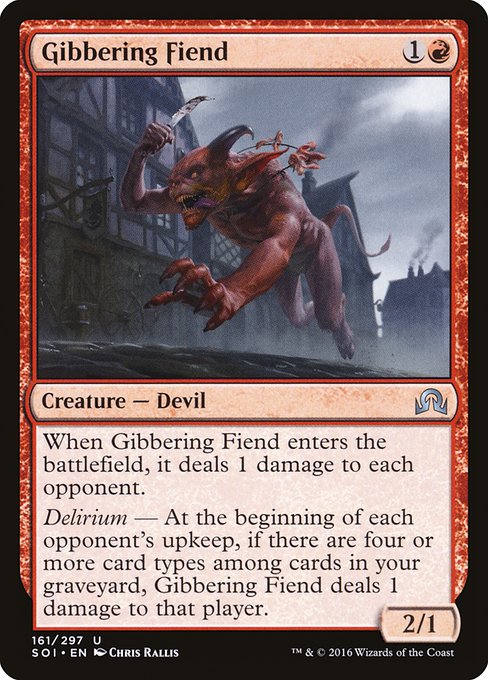
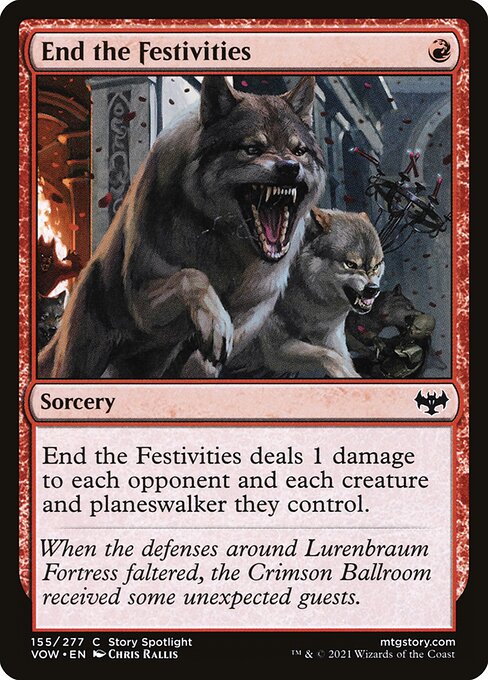
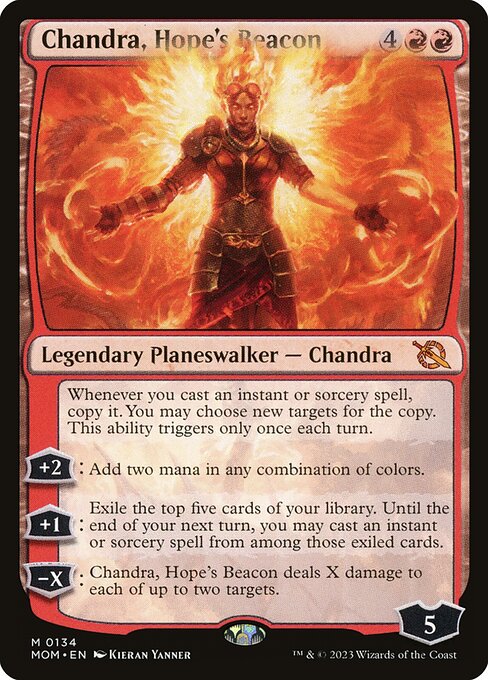
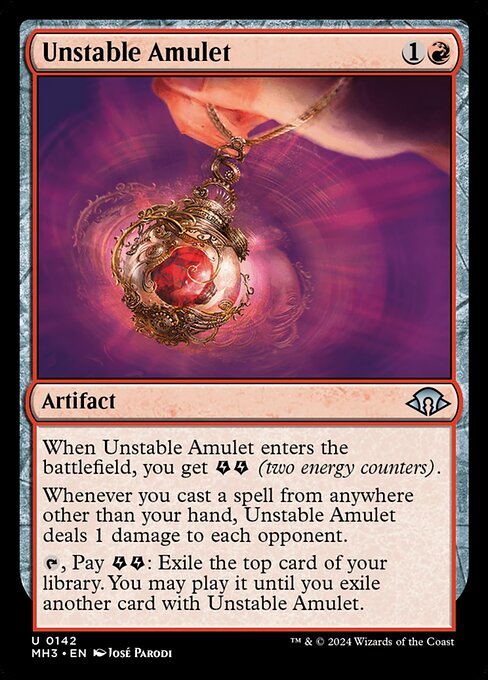
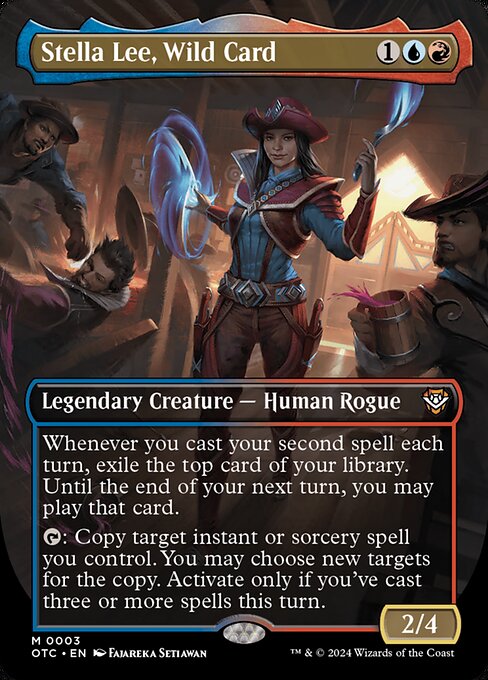
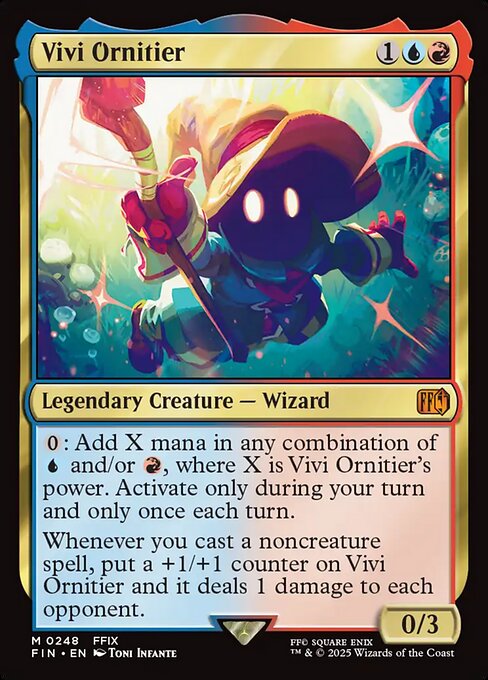
Picked for what they do in Gandalf the Grey's deck. When two cards do the same job, the one with the lower comes first. All of them fit Gandalf the Grey's color identity.Mana ValueThe total amount of mana a card costs, all added up. A card costing two generic and one green has a mana value of three. Wizards renamed this from "converted mana cost" in 2021, so older cards and articles may still use the old name.Open the full glossary
explain how Gandalf the Grey works in tricky situations. They come from Wizards of the Coast, the company that makes Magic.RulingThe official answer to how a card works in a tricky situation. Most rulings are written by Wizards of the Coast, the company that makes Magic, and a few are notes from Scryfall, the card database Magic players use. A ruling explains a card. It does not change what the card says.Open the full glossary
Wizards of the Coast16 Jun 2023
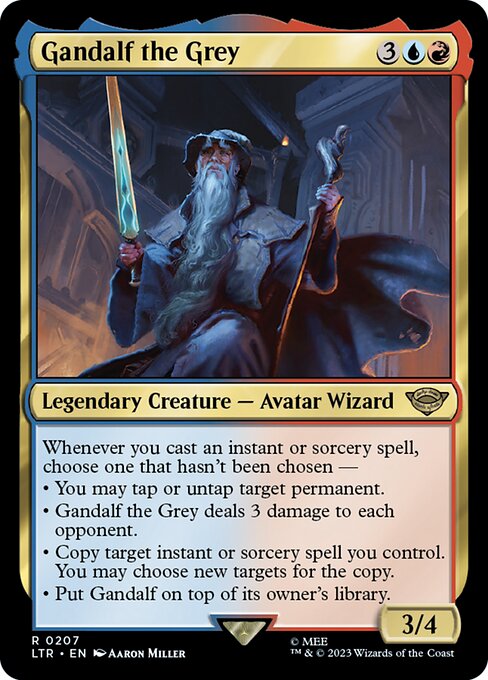
If the ability doesn't resolve (either for having its target become illegal or because a spell or ability counters it), the mode chosen for that instance of the ability still counts as being chosen.
Wizards of the Coast16 Jun 2023
It doesn't matter who has chosen any particular mode. For example, say you control Gandalf the Grey and have chosen the first two modes. If an opponent gains control of Gandalf the Grey, that player can choose only the third or fourth mode.
Wizards of the Coast16 Jun 2023
The phrase "that hasn't been chosen" refers only to that specific Gandalf the Grey. If Gandalf the Grey leaves the battlefield (possibly because of the fourth mode of its ability) and then returns to the battlefield later, it will be a new object with no memory of the modes chosen when it was last on the battlefield.
Wizards of the Coast16 Jun 2023
You choose the mode as the triggered ability goes on the stack. You can choose a mode that requires targets only if there are legal targets available.
Color identityEvery color of mana symbol on a card, in its cost and in its rules text. Your commander's color identity sets the limit for your whole deck: every other card has to fit inside it. A deck led by a green and white commander cannot play a card with any blue in its color identity.Open the full glossaryURPlayers write colors as letters: U for blue, R for red. Blue is U because B was already taken by black.SpellslingerSpellslinger decks cast lots of instants and sorceries, one-time spells, and play creatures that reward every spell you cast. Instants and sorceries take effect once and then go to your graveyard, and an instant can even be cast during another player's turn.Open the Spellslinger pageAikido / RedirectionTurns an opponent's own spell, ability or damage back on them. It changes the spell's target, copies it, or sends the damage somewhere else. Aikido is the community's name for it, borrowed from the martial art. Deflecting Swat, Narset's ReversalOpen the Aikido / Redirection pageSpell CopyingCopies a spell or an ability. The copy is not cast, so it costs nothing extra and does not set off cards that care about casting a spell. Reverberate, Storm-Kiln ArtistOpen the Spell Copying pageBurnBurn decks win by dealing damage straight to opponents with spells and abilities, rather than by attacking with creatures. Damage that hits every opponent at once counts three times over at a four-player table.Open the Burn pageMass BurnDeals damage to everything, or to every opponent at once, rather than to a single target. In a four player game the same card hits three people, so small repeated amounts add up quickly. Blasphemous Act, Impact TremorsOpen the Mass Burn pageSpellslingerRewards you for casting instants and sorceries, usually triggering each time you cast one. Storm-Kiln Artist, GuttersnipeOpen the Spellslinger pageBurnDeals damage directly, to creatures or to players. Because it can hit a player as easily as a creature, the same card can remove a blocker or finish off an opponent. Lightning Bolt, Blasphemous ActOpen the Burn pageGroup SlugGroup Slug decks hurt every player at the table at once, then make sure they can survive the pain better than anyone else. Typical cards make each player take damage or lose life whenever they draw, cast a spell or tap a land for mana.Open the Group Slug pageLibrary ManipulationCards that let you look at, rearrange or play from the top of your deck, so you control what you draw next.Open the Library Manipulation page
Send Us Feedback
What works, what's confusing, what you wish the site did. We read every one.
Not signed in? That is fine. We only keep what you write.
Optional. We only use it to reply to you.
Can we use Google Analytics cookies?
They show us which pages help people. No ads.
Privacy Policy


 Open the full glossary