- Commander Nexus
- Commanders
- Iroh, Grand Lotus
Command zone
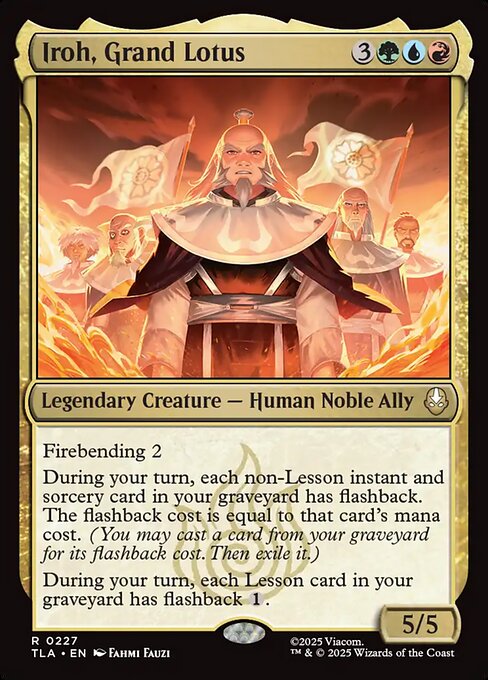
Iroh, Grand Lotus
Legendary Creature — Human Noble Ally
Iroh wants a deck that casts lots of instant and sorcery spells. It also suits a deck that deals one damage at a time, again and again.
- Mana cost


- Blue, Red, Green ()
- Power / toughness5 / 5
- RarityRare
Firebending 2
During your turn, each non-Lesson instant and sorcery card in your graveyard has flashback. The flashback cost is equal to that card's mana cost. (You may cast a card from your graveyard for its flashback cost. Then exile it.)
During your turn, each Lesson card in your graveyard has flashback  .
Build a deck with Iroh Find it in the app
- Archetypes
Cards That Fit Iroh, Grand Lotus
Picked for what they do in Iroh's deck. When two cards do the same job, the one with the lower comes first. All of them fit Iroh's color identity.Mana ValueThe total amount of mana a card costs, all added up. A card costing two generic and one green has a mana value of three. Wizards renamed this from "converted mana cost" in 2021, so older cards and articles may still use the old name. Open the full glossary
plan6

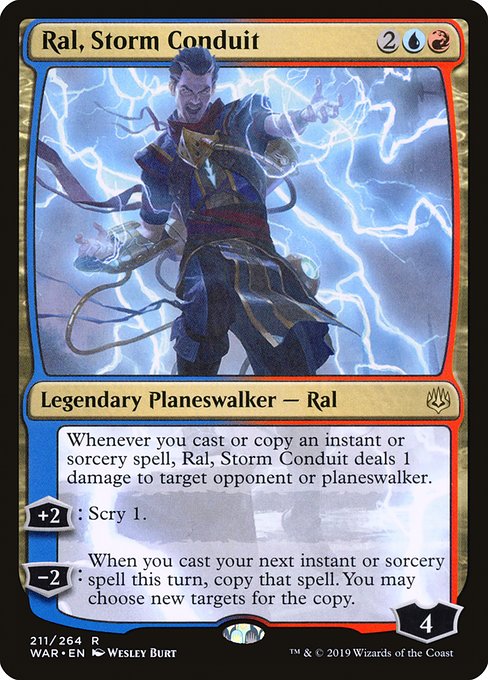

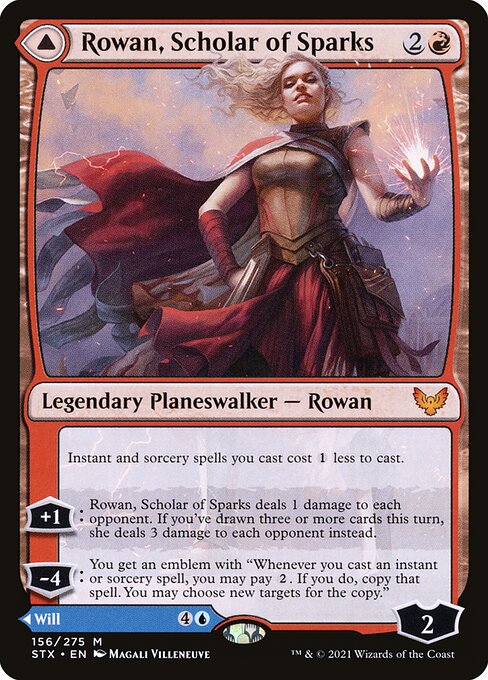

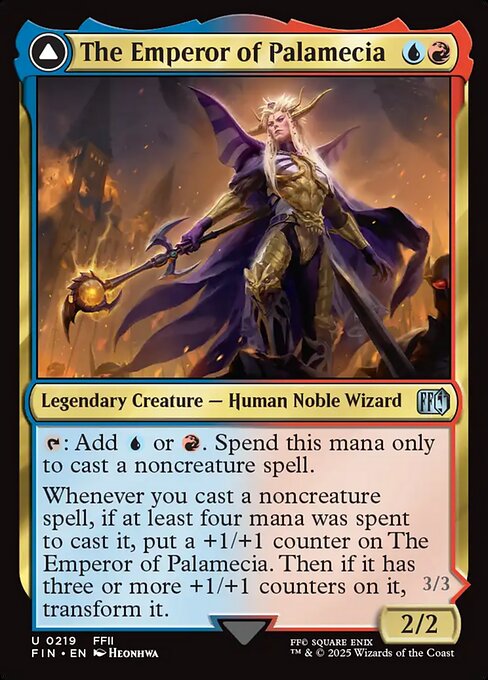
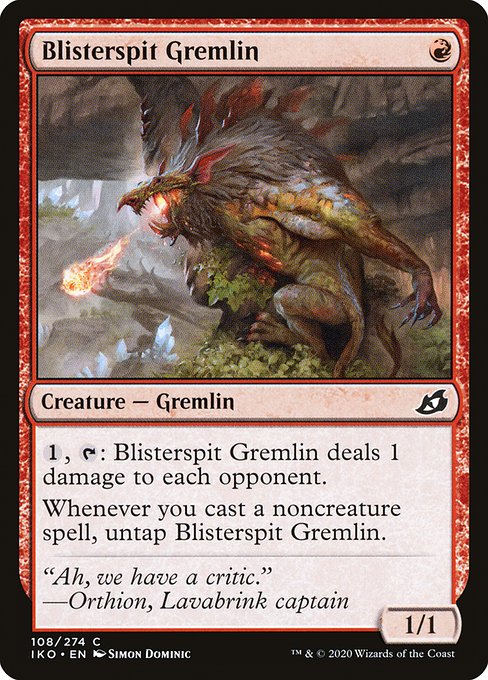


Rulings for Iroh, Grand Lotus
explain how Iroh works in tricky situations. They come from Wizards of the Coast, the company that makes Magic.RulingThe official answer to how a card works in a tricky situation. Most rulings are written by Wizards of the Coast, the company that makes Magic, and a few are notes from Scryfall, the card database Magic players use. A ruling explains a card. It does not change what the card says.Open the full glossary
"Firebending N" is a keyword that represents the ability "Whenever this creature attacks, add N {R}. Until end of combat, you don't lose this mana as steps end."
"Flashback [cost]" means "You may cast this card from your graveyard by paying [cost] rather than paying its mana cost" and "If the flashback cost was paid, exile this card instead of putting it anywhere else any time it would leave the stack."
A spell cast using flashback will always be exiled afterward, whether it resolves, is countered, or leaves the stack in some other way.
Any other mana you add during combat will still be lost as normal when moving between steps of combat.
Firebending abilities aren't mana abilities. They use the stack and can be responded to.
If a card with flashback is put into your graveyard during your turn, you can cast it if it's legal to do so before any other player can take any actions.
Mana from firebending abilities isn't lost until you leave combat and go to your second main phase. It can be used at any time during combat, even after combat damage has been dealt.
Multiple instances of firebending on the same creature trigger separately, each granting you the appropriate amount of mana.
To determine the total cost of a spell, start with the mana cost or alternative cost (such as a flashback cost) you're paying, add any cost increases, then apply any cost reductions. The mana value of the spell is determined only by its mana cost, no matter what the total cost to cast the spell was.
You can cast a spell using flashback even if it was somehow put into your graveyard without having been cast.
You must still follow any timing restrictions and permissions, including those based on the card's type. For instance, you can cast a sorcery using flashback only when you could normally cast a sorcery.
11 rulings, all written by Wizards of the Coast. Read the originals on Gatherer ↗
Similar Commanders
Commanders that share the most with Iroh, and what they share.