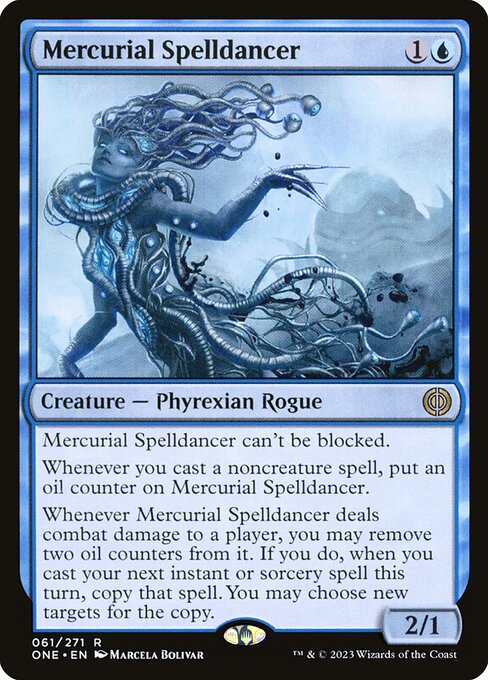
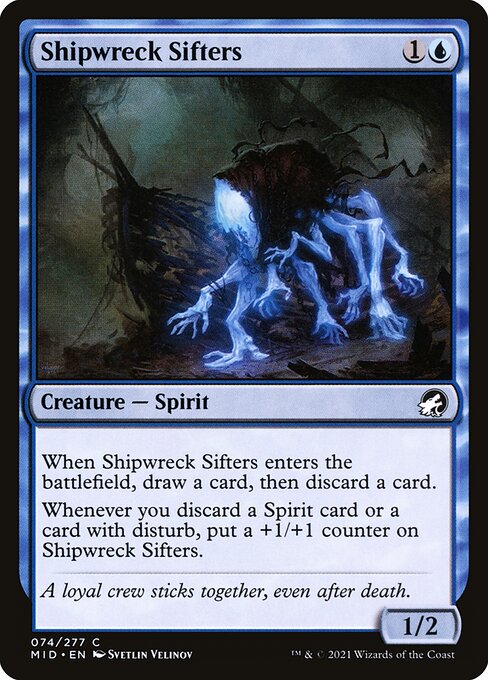
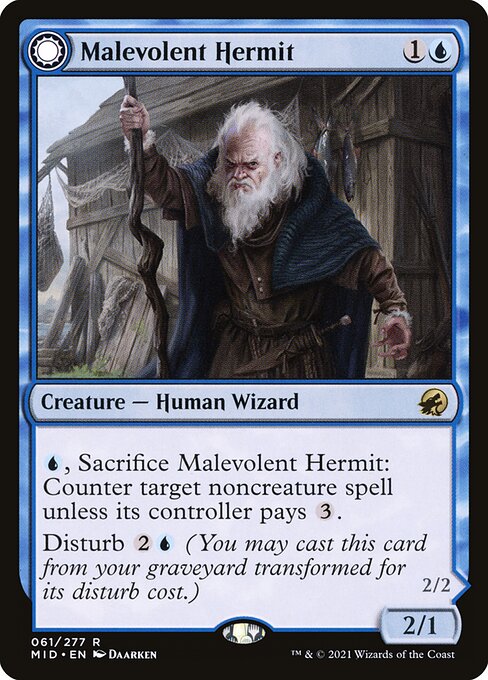
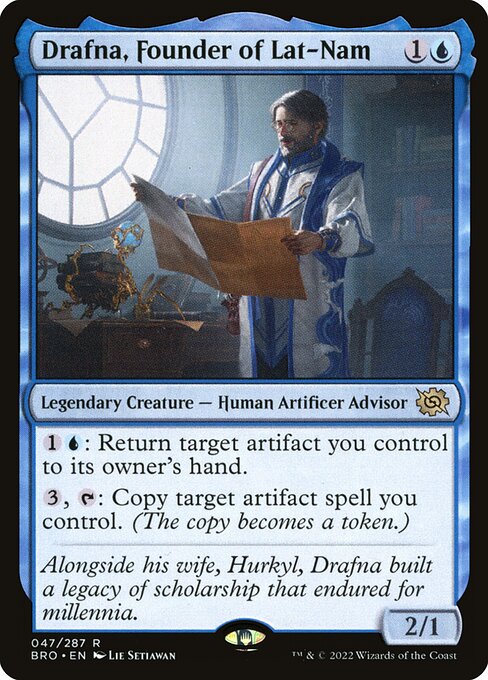
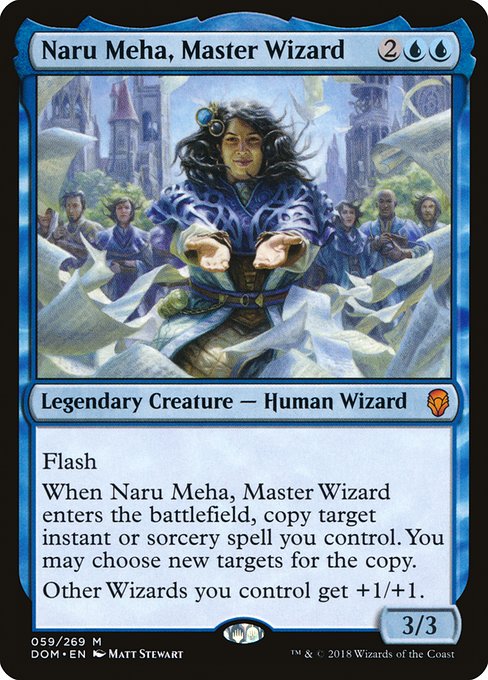
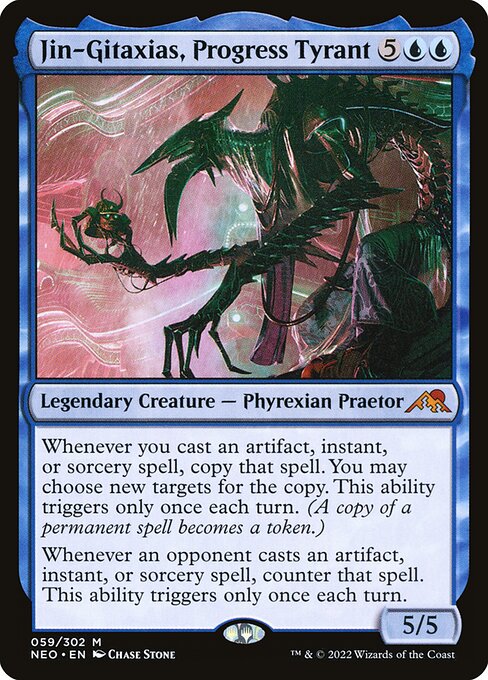
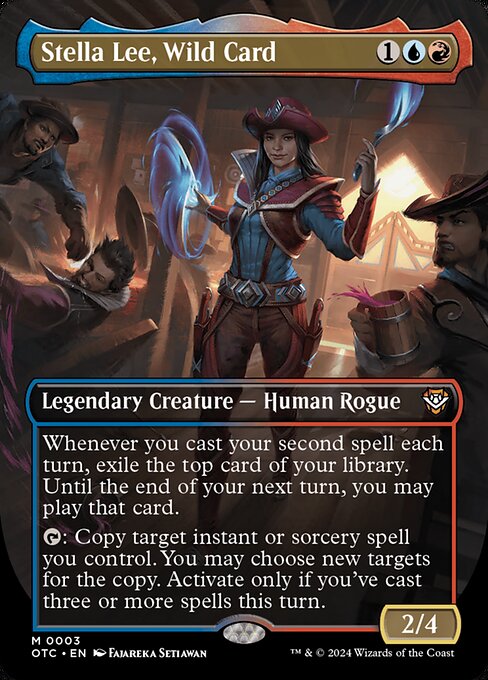
Picked for what they do in Kitsa's deck. When two cards do the same job, the one with the lower comes first. All of them fit Kitsa's color identity.Mana ValueThe total amount of mana a card costs, all added up. A card costing two generic and one green has a mana value of three. Wizards renamed this from "converted mana cost" in 2021, so older cards and articles may still use the old name.Open the full glossary
explain how Kitsa works in tricky situations. They come from Wizards of the Coast, the company that makes Magic.RulingThe official answer to how a card works in a tricky situation. Most rulings are written by Wizards of the Coast, the company that makes Magic, and a few are notes from Scryfall, the card database Magic players use. A ruling explains a card. It does not change what the card says.Open the full glossary
Wizards of the Coast26 Jul 2024
If the spell has damage divided as it was cast, the division can’t be changed (although the targets receiving that damage still can). The same is true of spells that distribute counters.
Wizards of the Coast26 Jul 2024
If the spell that’s copied has an X whose value was determined as it was cast, the copy will have the same value of X.
Wizards of the Coast26 Jul 2024
If the spell that’s copied is modal (that is, it says “Choose one —” or the like), the copy will have the same mode. A different mode can’t be chosen.
Wizards of the Coast26 Jul 2024
If you copy a spell, you control the copy. It will resolve before the original spell does.
Wizards of the Coast26 Jul 2024
Once you’ve activated Kitsa’s last ability, any changes to Kitsa’s power won’t stop the ability from resolving.
Wizards of the Coast26 Jul 2024
The controller of a copy can’t choose to pay any alternative or additional costs for the copy. However, effects based on any alternative or additional costs that were paid for the original spell are copied as though those same costs were paid for the copy.
Wizards of the Coast26 Jul 2024
The copy created by Kitsa’s last ability is created on the stack, so it’s not “cast.” Abilities that trigger when a player casts a spell won’t trigger.
Wizards of the Coast26 Jul 2024
The copy will have the same targets as the spell it’s copying unless you choose new ones. You may change any number of the targets, including all of them or none of them. If, for one of the targets, you can’t choose a new legal target, then it remains unchanged (even if the current target is illegal).
Color identityEvery color of mana symbol on a card, in its cost and in its rules text. Your commander's color identity sets the limit for your whole deck: every other card has to fit inside it. A deck led by a green and white commander cannot play a card with any blue in its color identity.Open the full glossaryUPlayers write colors as letters: U for blue. Blue is U because B was already taken by black.SpellslingerSpellslinger decks cast lots of instants and sorceries, one-time spells, and play creatures that reward every spell you cast. Instants and sorceries take effect once and then go to your graveyard, and an instant can even be cast during another player's turn.Open the Spellslinger pageSpellslinger PayoffRewards you specifically for casting or copying instants and sorceries, usually with a trigger each time. Narrower than Spellslinger, which covers the whole instant-and-sorcery family. Archmage Emeritus, Storm-Kiln ArtistOpen the Spellslinger Payoff pageAikido / RedirectionTurns an opponent's own spell, ability or damage back on them. It changes the spell's target, copies it, or sends the damage somewhere else. Aikido is the community's name for it, borrowed from the martial art. Deflecting Swat, Narset's ReversalOpen the Aikido / Redirection pageSpell CopyingCopies a spell or an ability. The copy is not cast, so it costs nothing extra and does not set off cards that care about casting a spell. Reverberate, Storm-Kiln ArtistOpen the Spell Copying pageMadness/DiscardDiscard decks throw away their own cards on purpose and play cards that reward each discard. Cards with madness can even be cast for a different, usually cheaper, cost at the moment you discard them.Open the Madness/Discard pageLootingDraws and discards in the same breath. Faithless Looting, Frantic Search. It does not gain you cards. It improves the ones you have, and fills your graveyard on purpose, which is exactly what a reanimator card like Animate Dead wants.Open the Looting pageSelf-DiscardDiscards your own cards as a cost or an effect. Filling your own graveyard on purpose is the point: it feeds cards that bring things back, madness and channel abilities, and some cards are worth more there than in hand. Faithless Looting, Boseiju, Who EnduresOpen the Self-Discard pageControlControl decks answer what everyone else plays, stopping spells and removing dangerous cards, then win slowly once they are in charge. Expect lots of removal, spells that cancel other spells, and extra card draw.Open the Control pageStack InteractionActs while a spell is waiting to take effect: countering it, changing what it targets, or copying it. When someone casts a spell it waits on the stack, and every player gets priority, a chance to respond, before it happens. Counterspell, NegateOpen the Stack Interaction pageMana SinkGives you somewhere useful to spend spare mana, usually through an ability you can activate again and again. Rogue's Passage, Mind StoneOpen the Mana Sink pageDrawDraws you extra cards. More cards means more choices every turn, and in a 100-card deck it is the main way to find the pieces you need. Rhystic Study, SkullclampOpen the Draw page
Send Us Feedback
What works, what's confusing, what you wish the site did. We read every one.
Not signed in? That is fine. We only keep what you write.
Optional. We only use it to reply to you.
Can we use Google Analytics cookies?
They show us which pages help people. No ads.
Privacy Policy


 : Draw a card, then discard a card.
 ,
 Open the full glossary