- Commander Nexus
- Commanders
- Lutri, the Spellchaser
Command zone
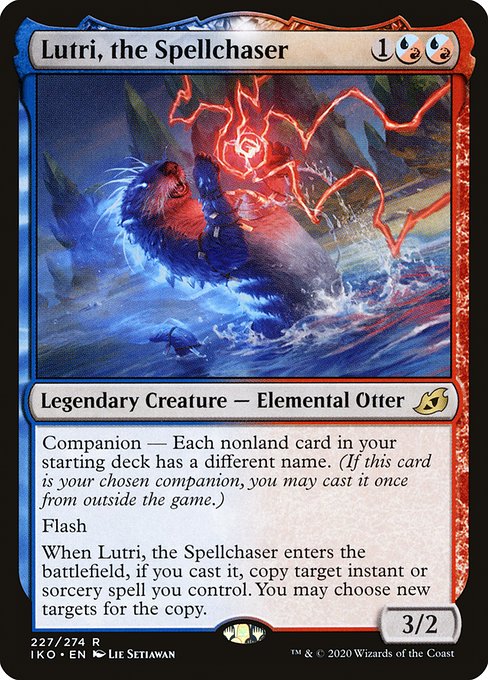
Lutri, the Spellchaser
Legendary Creature — Elemental Otter
Lutri wants a deck that casts lots of instant and sorcery spells. It also suits a deck that plays sturdy creatures that also deal with opponents' cards.
- Mana cost


- Blue, Red ()
- Power / toughness3 / 2
- RarityRare
Companion — Each nonland card in your starting deck has a different name. (If this card is your chosen companion, you may put it into your hand from outside the game for  as a sorcery.)
Flash
When Lutri enters, if you cast it, copy target instant or sorcery spell you control. You may choose new targets for the copy.
Build a deck with Lutri Find it in the app
- Archetypes
- Themes
-
- Elementals
- Otters
Cards That Fit Lutri, the Spellchaser
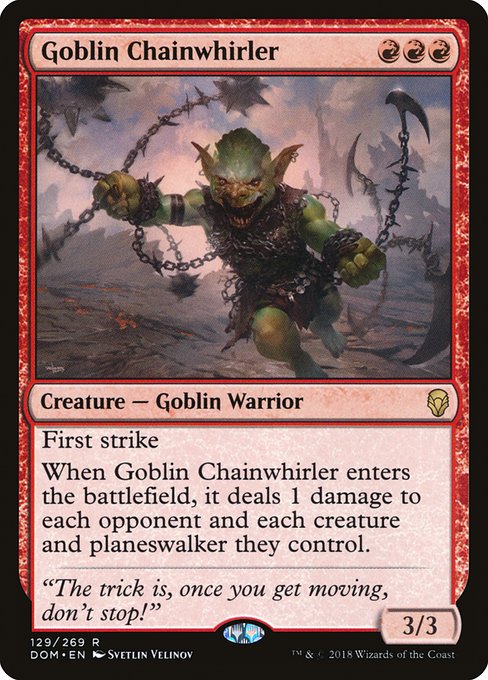
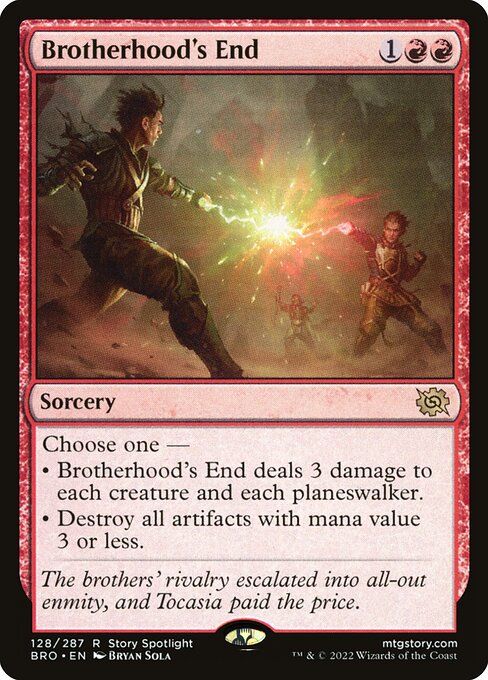
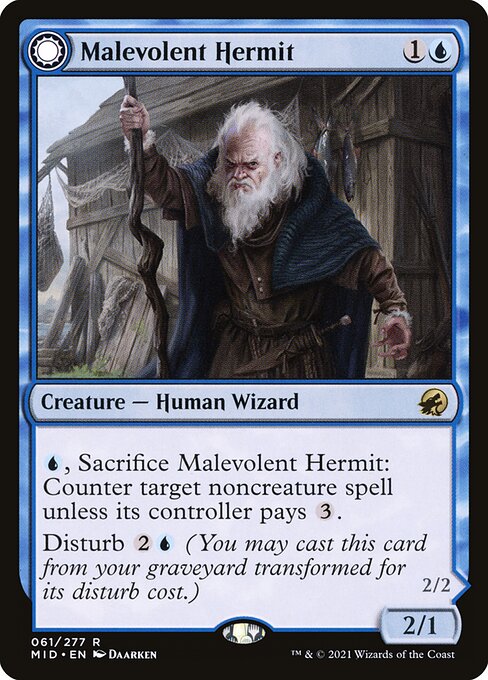
Picked for what they do in Lutri's deck. When two cards do the same job, the one with the lower comes first. All of them fit Lutri's color identity.Mana ValueThe total amount of mana a card costs, all added up. A card costing two generic and one green has a mana value of three. Wizards renamed this from "converted mana cost" in 2021, so older cards and articles may still use the old name. Open the full glossary
plan6

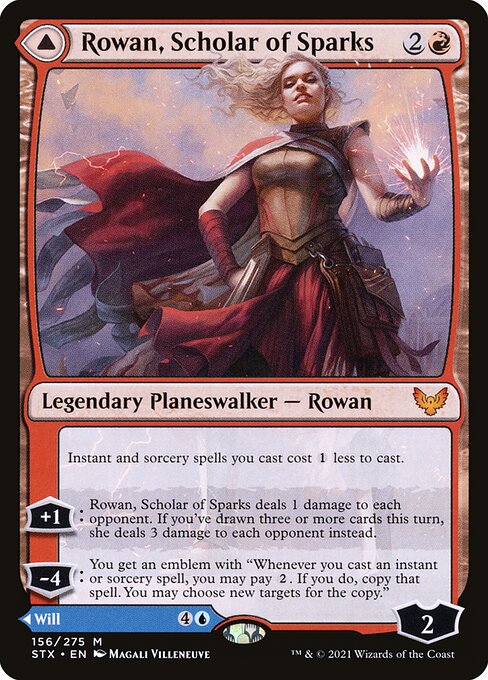

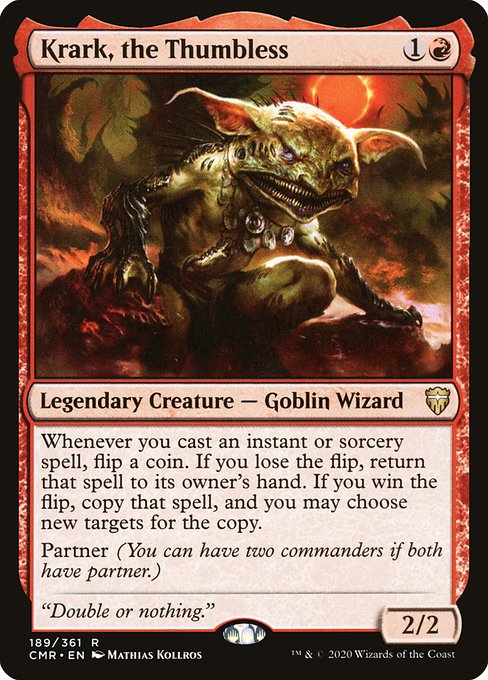
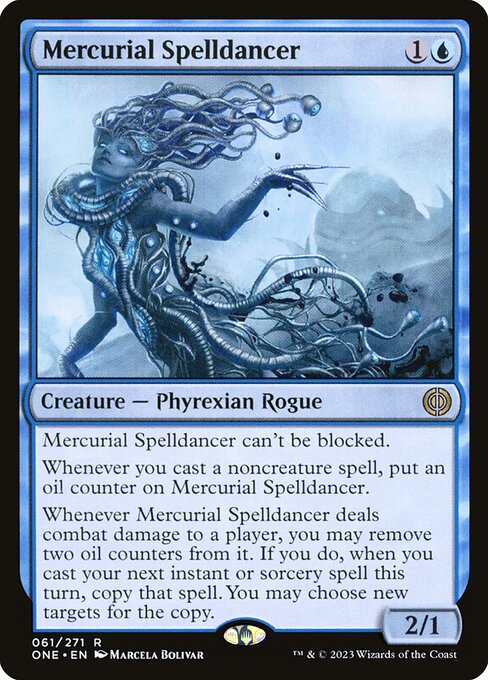
plan6

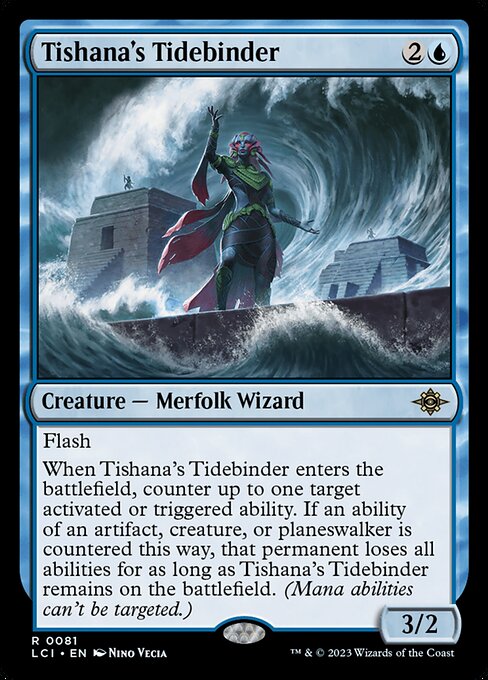





Rulings for Lutri, the Spellchaser
explain how Lutri works in tricky situations. They come from Wizards of the Coast, the company that makes Magic.RulingThe official answer to how a card works in a tricky situation. Most rulings are written by Wizards of the Coast, the company that makes Magic, and a few are notes from Scryfall, the card database Magic players use. A ruling explains a card. It does not change what the card says.Open the full glossary
Before shuffling your deck to become your library, you may reveal one card from outside the game to be your companion if your starting deck meets the requirements of the companion ability. You can't reveal more than one. It remains revealed outside the game as the game begins.
If more than one player wishes to reveal a companion, the starting player does so first, and players proceed in turn order. Once a player has chosen not to reveal a companion, that player can't change their mind.
If the spell has damage divided as it was cast (like Mythos of Vadrok), the division can't be changed, although the targets receiving that damage still can. The same is true of spells that distribute counters.
If the spell that's copied has an X whose value was determined as it was cast, the copy will have the same value of X.
If the spell that's copied is modal (that is, it says "Choose one —" or the like), the copy will have the same mode. A different mode can't be chosen.
If you reveal a companion outside the game, for as long as it remains there, you may pay {3} any time you could cast a sorcery (that is, you have priority during your main phase and the stack is empty). Once you do, you put it into your hand and behaves like any other card you've brought into the game. For example, if it's discard, countered, or destroyed, it's put into your graveyard, remaining in the game. This is a change from previous rules.
Lutri's ability can copy any instant or sorcery spell you control, not just one with targets.
Paying {3} to put your companion into your hand is a special action. It doesn't use the stack and players can't respond to it. Once you take this action, you may cast that card if it's legal to do so before any other player can take actions.
The companion ability has no effect if the card is in your starting deck and creates no restriction on putting a card with a companion ability into your starting deck. For example, Zirda may be in your starting deck even if your other permanent cards don't all have activated abilities.
The companion's other abilities apply only if the creature is on the battlefield. They have no effect while the companion is outside the game.
The controller of a copy can't choose to pay any alternative or additional costs for the copy. However, effects based on any alternative or additional costs that were paid for the original spell are copied as though those same costs were paid for the copy.
The copy is created on the stack, so it's not "cast." Abilities that trigger when a player casts a spell won't trigger. It will resolve before the original spell does.
The copy will have the same targets as the spell it's copying unless you choose new ones. You may change any number of the targets, including all of them or none of them. If, for one of the targets, you can't choose a new legal target, then it remains unchanged (even if the current target is illegal).
The requirements of the companion ability apply only to your starting deck. They do not apply to your sideboard.
You may have one companion in the Commander variant. Your deck, including your commander, must meet its companion requirement. Your companion is not one of your one hundred cards.
Your companion begins the game outside the game. In tournament play, this means your sideboard. In casual play, it's simply a card you own that's not in your starting deck.
If you reveal a companion outside the game, for as long as it remains there, you may pay {3} any time you could cast a sorcery (that is, you have priority during your main phase and the stack is empty). Once you do, you put it into your hand and behaves like any other card you've brought into the game. For example, if it's discarded, countered, or destroyed, it's put into your graveyard, remaining in the game. This is a change from previous rules.
Paying {3} to put your companion into your hand is a special action. It doesn't use the stack and players can't respond to it. Once you take this action, you may cast that card if it's legal to do so before any other player can take actions.
18 rulings, all written by Wizards of the Coast. Read the originals on Gatherer ↗
Similar Commanders
Commanders that share the most with Lutri, and what they share.