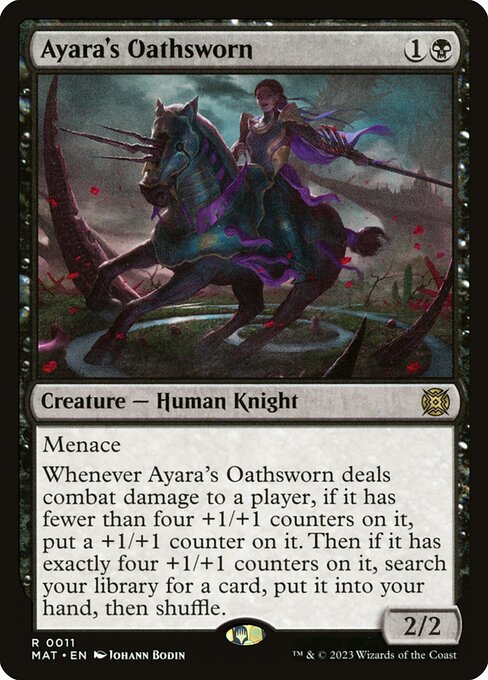
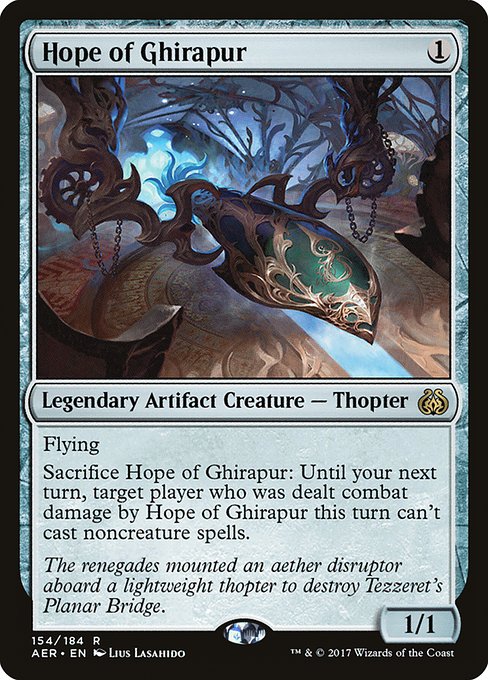
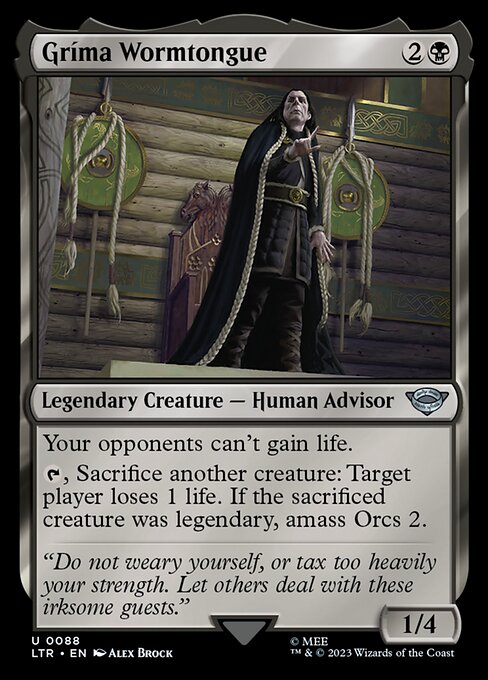
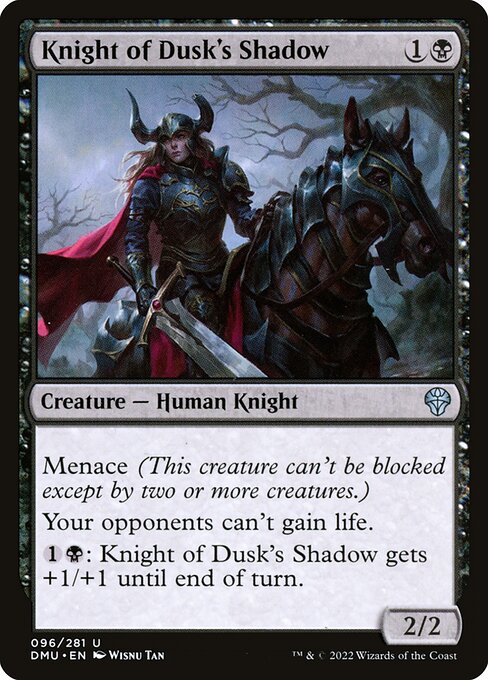
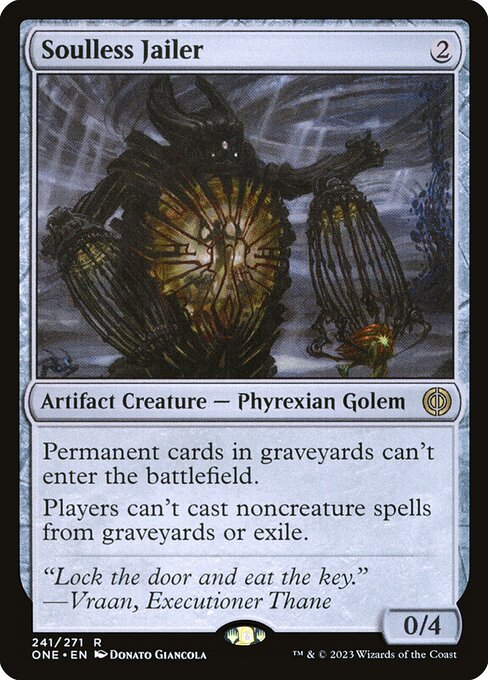
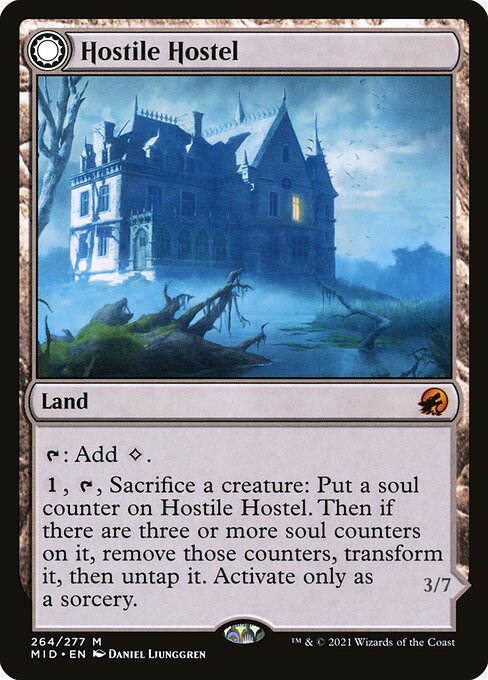
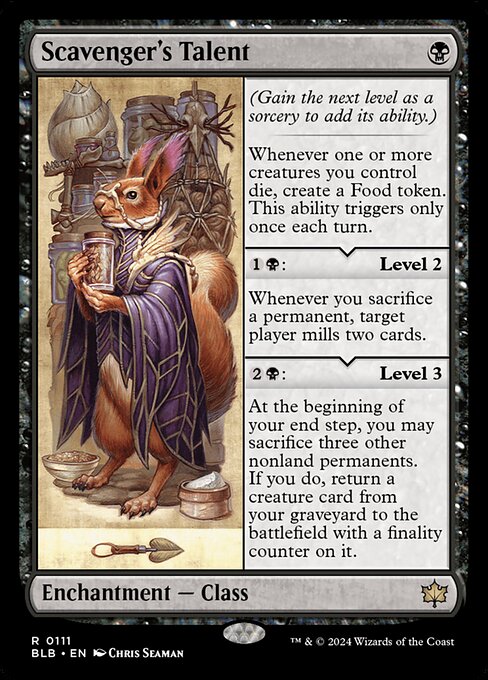
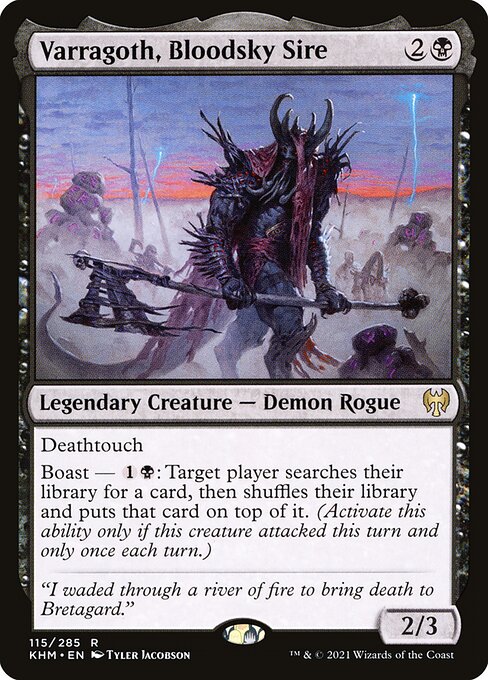
Maralen of the Mornsong wants a deck that searches its deck for the right answer to each problem. It also suits a deck that plays small creatures that make life hard for opponents.
Mana cost
Black ()
Power / toughness2 / 3
RarityRare
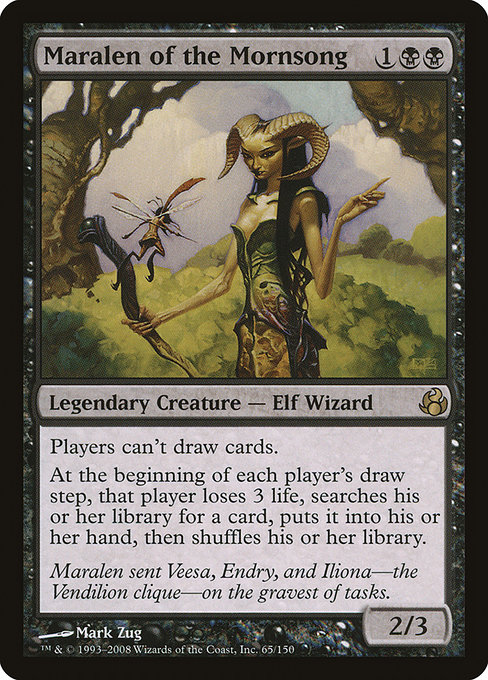
Players can't draw cards.
At the beginning of each player's draw step, that player loses 3 life, searches their library for a card, puts it into their hand, then shuffles.
Picked for what they do in Maralen of the Mornsong's deck. When two cards do the same job, the one with the lower comes first. All of them fit Maralen of the Mornsong's color identity.Mana ValueThe total amount of mana a card costs, all added up. A card costing two generic and one green has a mana value of three. Wizards renamed this from "converted mana cost" in 2021, so older cards and articles may still use the old name.Open the full glossary
explain how Maralen of the Mornsong works in tricky situations. They come from Wizards of the Coast, the company that makes Magic.RulingThe official answer to how a card works in a tricky situation. Most rulings are written by Wizards of the Coast, the company that makes Magic, and a few are notes from Scryfall, the card database Magic players use. A ruling explains a card. It does not change what the card says.Open the full glossary
Wizards of the Coast1 Apr 2008
In a Two-Headed Giant game, Maralen’s triggered ability will trigger twice per draw step (once for each player on the active team). Maralen’s controller chooses the order to put the abilities on the stack.
Wizards of the Coast1 Apr 2008
Maralen prevents players from drawing cards for any reason, including as a cost, as an effect, and as a result of the “draw a card” turn-based action during the draw step.
Wizards of the Coast1 Apr 2008
The effect of the triggered ability is mandatory. The life loss isn’t a payment; you’ll lose 3 life even if you have 3 or less life left. Unless your library is empty, you must put a card from your library into your hand.
Wizards of the Coast1 Apr 2008
While Maralen is on the battlefield, a player can’t choose to draw cards (or choose to have another player draw cards) as a spell or ability resolves. For example, if you cast the Development side of Research // Development (“Put a 3/1 red Elemental creature token onto the battlefield unless any opponent lets you draw a card. Repeat this process two more times.”), you’ll put three Elemental tokens onto the battlefield because your opponents can’t “let you draw a card.”
Wizards of the Coast1 Apr 2008
While Maralen is on the battlefield, no player can lose the game due to being instructed to draw a card with an empty library.
Wizards of the Coast1 Apr 2008
While Maralen is on the battlefield, replacement effects that instruct a player to do something instead of drawing a card won’t work.
Color identityEvery color of mana symbol on a card, in its cost and in its rules text. Your commander's color identity sets the limit for your whole deck: every other card has to fit inside it. A deck led by a green and white commander cannot play a card with any blue in its color identity.Open the full glossaryBPlayers write colors as letters: B for black.ToolboxToolbox decks carry one perfect answer for each kind of problem, plus plenty of cards that search the deck for whichever one they need. A card that searches your deck for another card is called a tutor.Open the Toolbox pageRepeatable TutorA search for a card that you can repeat, because it sits on a permanent rather than being a one-time spell. It works as an ability or a trigger, and it is the heart of a Toolbox deck: one card that can find the right answer every turn. Sisay, Weatherlight Captain, Survival of the Fittest, Birthing PodOpen the Repeatable Tutor pageTutor - UnrestrictedFinds any card in your library, with no limit on what kind: the most reliable way to get exactly the card you need. Demonic Tutor, Vampiric Tutor, Imperial Seal.Open the Tutor - Unrestricted pageTutorSearches your deck for a specific card. Because a Commander deck may only contain one copy of each card, a tutor is how you reliably find the exact one you need. See the Tutor tier tags for how broad each search is. Demonic TutorOpen the Tutor pageHatebearsHatebears decks play cheap creatures that each carry a rule making life harder for opponents, such as spells costing more. Each one is small, but together they slow the whole table down while they attack.Open the Hatebears pageHatebearA cheap creature, costing 3 mana or less, with a rule that slows everyone else down. Spells cost more, things enter tapped, or players cannot do something. It is the community's word for it, and a deck of them is a Hatebears deck. Thalia, Guardian of Thraben, Drannith Magistrate, Collector OupheOpen the Hatebear pageStax/TaxMakes the game more expensive or more restrictive for everyone: taxing spells and attacks, or stopping permanents from untapping. Propaganda, Ghostly Prison. Many groups dislike playing against it, so check what your table expects first.Open the Stax/Tax pageLife DrainAn opponent loses life and you gain that life from the same effect. Blood Artist, Zulaport Cutthroat. It lets Aristocrats decks win without ever attacking. Every drain card is also tagged Life Gain; this tag is the part where the life comes out of somebody.Open the Life Drain pageAristocratsAristocrats decks sacrifice their own creatures on purpose and profit every time one dies, often by draining life from each opponent. A sacrifice outlet, a card that lets you sacrifice whenever you like, decides when that happens.Open the Aristocrats page
Send Us Feedback
What works, what's confusing, what you wish the site did. We read every one.
Not signed in? That is fine. We only keep what you write.
Optional. We only use it to reply to you.
Can we use Google Analytics cookies?
They show us which pages help people. No ads.
Privacy Policy


 Open the full glossary