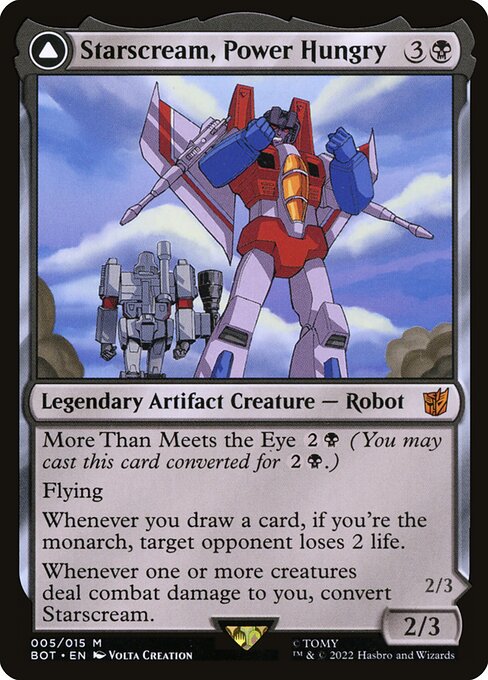
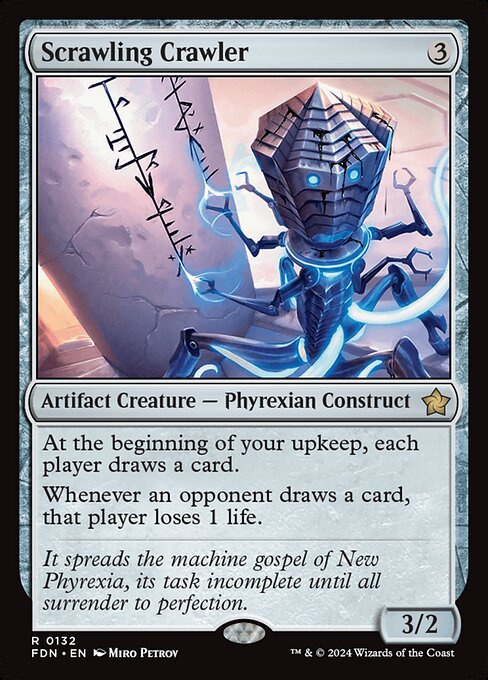
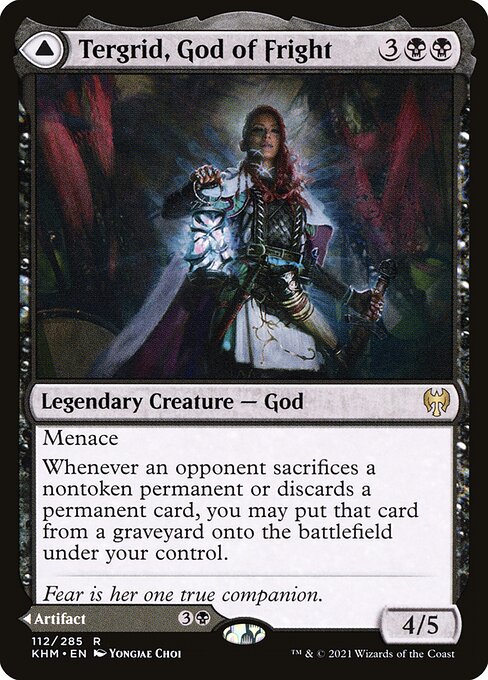
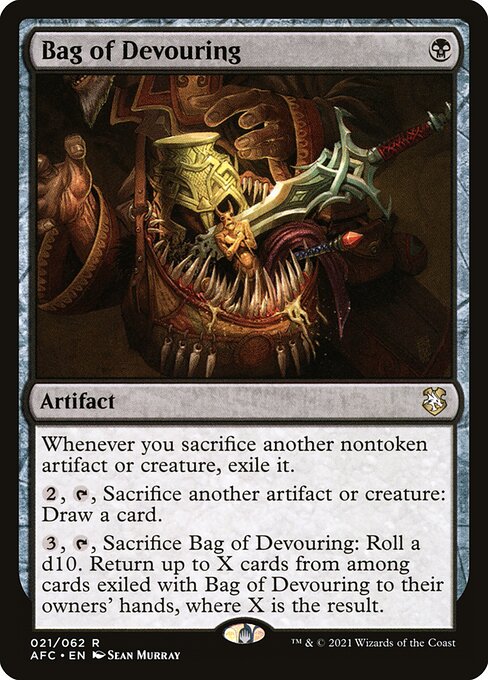
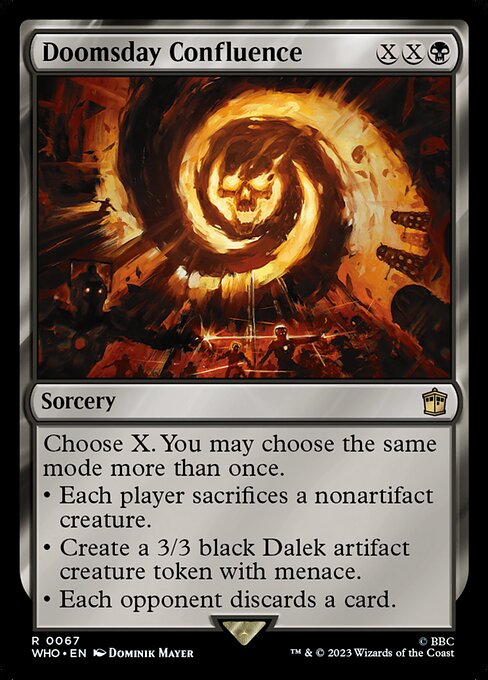
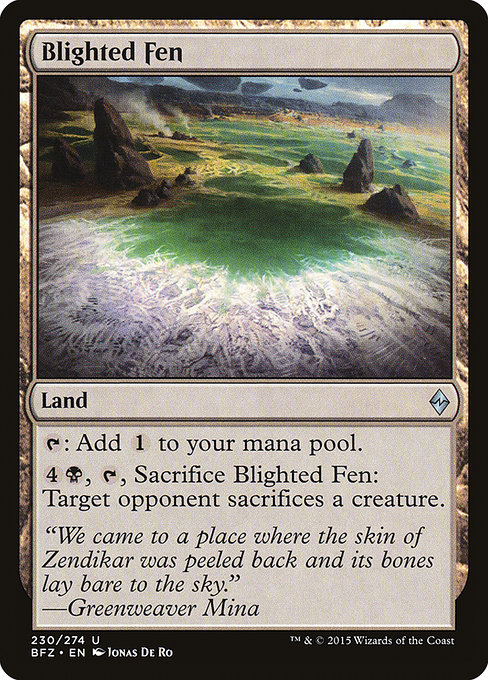
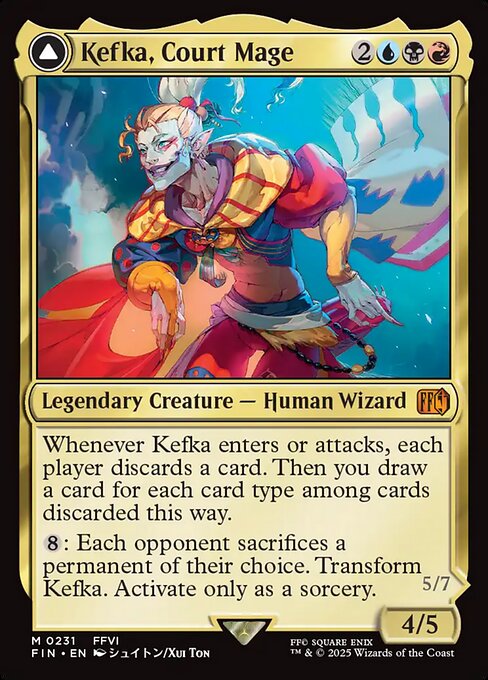
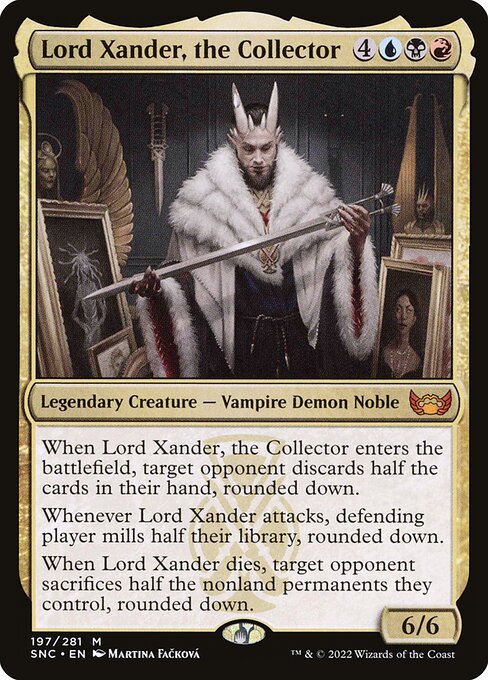
Picked for what they do in Rankle's deck. When two cards do the same job, the one with the lower comes first. All of them fit Rankle's color identity.Mana ValueThe total amount of mana a card costs, all added up. A card costing two generic and one green has a mana value of three. Wizards renamed this from "converted mana cost" in 2021, so older cards and articles may still use the old name.Open the full glossary
explain how Rankle works in tricky situations. They come from Wizards of the Coast, the company that makes Magic.RulingThe official answer to how a card works in a tricky situation. Most rulings are written by Wizards of the Coast, the company that makes Magic, and a few are notes from Scryfall, the card database Magic players use. A ruling explains a card. It does not change what the card says.Open the full glossary
Wizards of the Coast4 Oct 2019
As the first mode is performed, first the player whose turn it is chooses a card in hand without revealing it, then each other player in turn order does the same. Then all the chosen cards are discarded at the same time.
Wizards of the Coast4 Oct 2019
As the third mode is performed, first the player whose turn it chooses a creature they control, then each other player in turn order does the same, knowing the choices made before them. Then all the chosen creatures are sacrificed at the same time.
Wizards of the Coast4 Oct 2019
For each chosen mode, perform that mode in its entirety before continuing on to the next chosen mode in the order printed.
Wizards of the Coast4 Oct 2019
If you really want, you can choose zero modes for Rankle's triggered ability, but carefully consider the hidden costs in not entertaining someone titled Master of Pranks.
Wizards of the Coast4 Oct 2019
In a Two-Headed Giant game, Rankle's second mode causes each team to lose 1 life twice.
Wizards of the Coast4 Oct 2019
You can choose a mode even if some or all players will be unaffected.
Color identityEvery color of mana symbol on a card, in its cost and in its rules text. Your commander's color identity sets the limit for your whole deck: every other card has to fit inside it. A deck led by a green and white commander cannot play a card with any blue in its color identity.Open the full glossaryBPlayers write colors as letters: B for black.WheelsWheel decks make every player swap their whole hand for a fresh one, then profit from all that drawing. One way is making opponents lose life for each card they draw. The name comes from the card Wheel of Fortune.Open the Wheels pageWheelMakes players discard their hands and draw new ones. Wheel of Fortune, Windfall. It refills you and usually the rest of the table too, so it works well beside Draw Payoff cards that turn everyone else's new cards into your advantage.Open the Wheel pageOpponent DiscardMakes opponents discard cards from their hands. In a format where everyone starts with seven and refills slowly, stripping a hand can be harder to recover from than losing a creature. Windfall, Sword of Feast and FamineOpen the Opponent Discard pageLife DrainAn opponent loses life and you gain that life from the same effect. Blood Artist, Zulaport Cutthroat. It lets Aristocrats decks win without ever attacking. Every drain card is also tagged Life Gain; this tag is the part where the life comes out of somebody.Open the Life Drain pageSaboteurTriggers when a creature deals combat damage to a player, so the reward comes from connecting rather than from the damage itself. Evasion makes these far more reliable. Ragavan, Nimble PilfererOpen the Saboteur pageSelf-DiscardDiscards your own cards as a cost or an effect. Filling your own graveyard on purpose is the point: it feeds cards that bring things back, madness and channel abilities, and some cards are worth more there than in hand. Faithless Looting, Boseiju, Who EnduresOpen the Self-Discard pageDrawDraws you extra cards. More cards means more choices every turn, and in a 100-card deck it is the main way to find the pieces you need. Rhystic Study, SkullclampOpen the Draw pageMadness/DiscardDiscard decks throw away their own cards on purpose and play cards that reward each discard. Cards with madness can even be cast for a different, usually cheaper, cost at the moment you discard them.Open the Madness/Discard pageSacrificeSacrifice decks give up their own creatures, Treasures and other cards on purpose and get something back each time. A sacrifice outlet, a card that lets you sacrifice whenever you want, is the heart of the deck.Open the Sacrifice pageGame ChangerCards that warp the game disproportionately around themselves, requiring immediate answers.What the brackets meanForced SacrificeMakes opponents sacrifice their own permanents. Because they choose what to lose, it gets around protection and hexproof that ordinary removal cannot touch. Braids, Arisen Nightmare, Living DeathOpen the Forced Sacrifice pageTarget RemovalRemoves a single chosen permanent by destroying it, exiling it or returning it to its owner's hand, however big it is. It is the precise answer to one problem, as opposed to a board wipe that hits everything. Damage and -X/-X can miss a big creature, so they are Damage Removal and -X/-X Removal instead. Swords to Plowshares, Beast WithinOpen the Target Removal page
Send Us Feedback
What works, what's confusing, what you wish the site did. We read every one.
Not signed in? That is fine. We only keep what you write.
Optional. We only use it to reply to you.
Can we use Google Analytics cookies?
They show us which pages help people. No ads.
Privacy Policy


 Open the full glossary