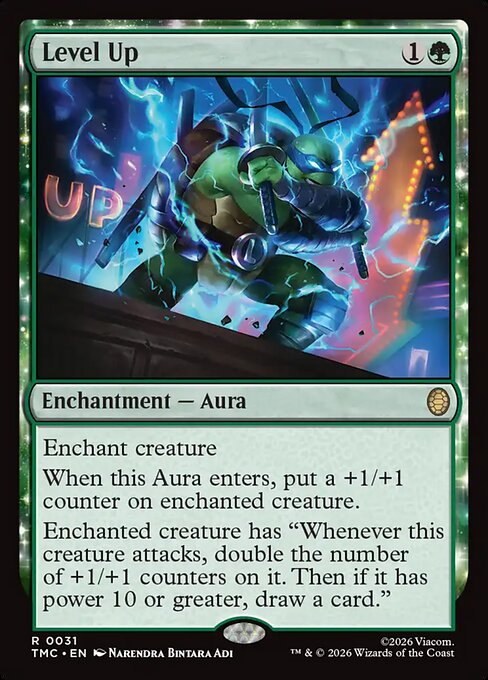
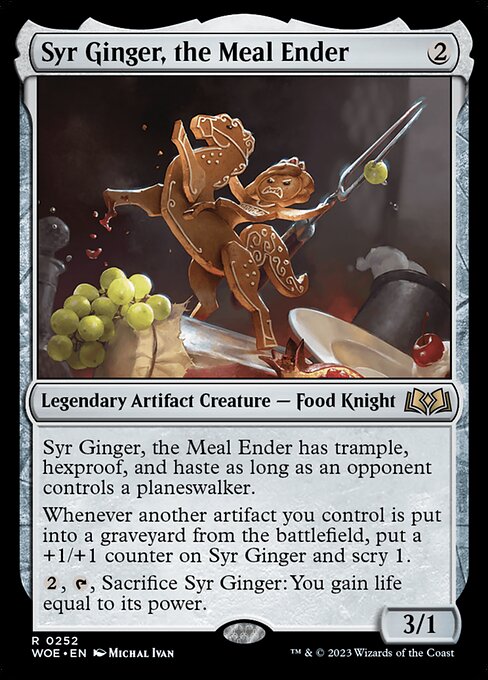
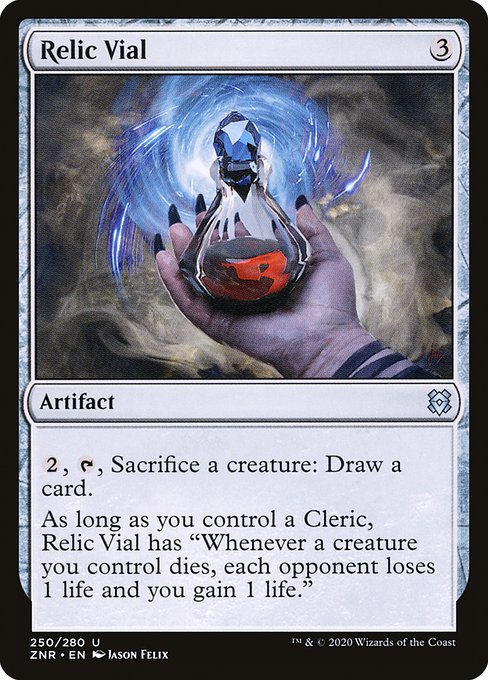
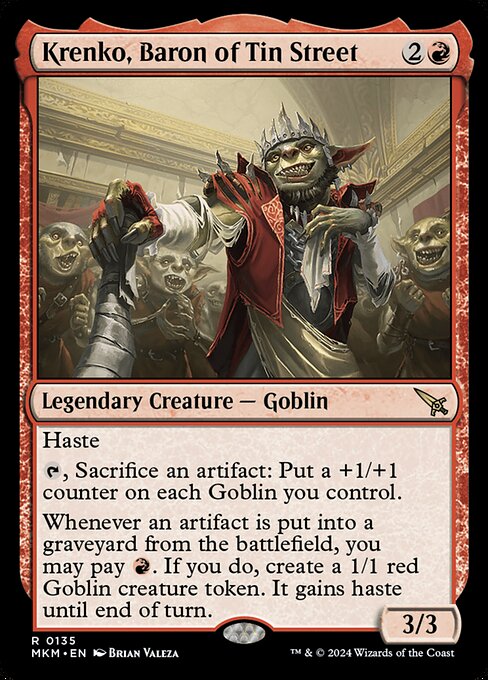
Gimli wants a deck that keeps making its creatures bigger turn after turn. It also suits a deck that sacrifices its own creatures to drain opponents' life.
Mana cost
Red, Green ()
Power / toughness3 / 2
RarityRare
Gimli has indestructible as long as two or more creatures died under your control this turn.
Whenever another creature you control dies, put a +1/+1 counter on Gimli. When this ability resolves for the third time this turn, Gimli fights up to one target creature you don't control.
Picked for what they do in Gimli's deck. When two cards do the same job, the one with the lower comes first. All of them fit Gimli's color identity.Mana ValueThe total amount of mana a card costs, all added up. A card costing two generic and one green has a mana value of three. Wizards renamed this from "converted mana cost" in 2021, so older cards and articles may still use the old name.Open the full glossary
explain how Gimli works in tricky situations. They come from Wizards of the Coast, the company that makes Magic.RulingThe official answer to how a card works in a tricky situation. Most rulings are written by Wizards of the Coast, the company that makes Magic, and a few are notes from Scryfall, the card database Magic players use. A ruling explains a card. It does not change what the card says.Open the full glossary
Wizards of the Coast16 Jun 2023
Gimli, Mournful Avenger doesn't need to have been on the battlefield when creatures died under your control for the first ability to count them. For example, if two creatures you control die during combat on your turn and you cast Gimli, Mournful Avenger during your second main phase, it will have indestructible until end of turn.
Wizards of the Coast16 Jun 2023
You don't choose a target for Gimli, Mournful Avenger's last ability at the time it triggers. Rather, a second "reflexive" ability triggers when its last ability resolves for the third time in a turn. You may choose a target for that ability as it goes on the stack. Each player may respond to this triggered ability as normal.
Color identityEvery color of mana symbol on a card, in its cost and in its rules text. Your commander's color identity sets the limit for your whole deck: every other card has to fit inside it. A deck led by a green and white commander cannot play a card with any blue in its color identity.Open the full glossaryRGPlayers write colors as letters: R for red, G for green.+1/+1 Counters+1/+1 counter decks put small markers on their creatures that make each one permanently bigger, and keep adding more every turn. Each +1/+1 counter adds one to a creature's power (the damage it deals) and toughness (the damage it can take).Open the +1/+1 Counters pageDamage RemovalRemoves creatures by dealing damage to them rather than by destroying them outright. This includes fight cards, where your creature deals the damage. Damage only kills a creature if it at least equals its toughness, so it can miss the biggest ones, and it does not kill a creature that cannot be destroyed. Lightning Bolt, Rabid Bite, PyroclasmOpen the Damage Removal pageCounter EngineAdds +1/+1 counters over and over rather than once. A counter here is a small permanent marker that raises a creature's power and toughness for good. It is not a counterspell, which is a different thing entirely. Something that adds them every turn makes your whole board bigger and keeps it that way. Hardened Scales, Corpsejack MenaceOpen the Counter Engine page+1/+1 CountersPuts +1/+1 counters on creatures, permanently raising their power and toughness. Unlike a temporary boost that wears off at end of turn, these markers stay put and stack up over a long game. Hardened Scales, The Great HengeOpen the +1/+1 Counters pageProtectionA creature with protection from something, like a color, is safe from anything with that quality. It cannot be damaged, enchanted or equipped, blocked, or targeted by it, and players remember the four with the word DEBT. It does not stop effects that neither target nor damage, like a board wipe that destroys every creature. ProgenitusOpen the Protection pageAristocratsAristocrats decks sacrifice their own creatures on purpose and profit every time one dies, often by draining life from each opponent. A sacrifice outlet, a card that lets you sacrifice whenever you like, decides when that happens.Open the Aristocrats pageDeath TriggerTriggers when a creature dies, whether it is this creature, one of yours or an opponent's. These are the cards that pay you in an Aristocrats deck: something else makes creatures die, and these decide what you get each time. Blood Artist, Solemn SimulacrumOpen the Death Trigger page
Send Us Feedback
What works, what's confusing, what you wish the site did. We read every one.
Not signed in? That is fine. We only keep what you write.
Optional. We only use it to reply to you.
Can we use Google Analytics cookies?
They show us which pages help people. No ads.
Privacy Policy


 Open the full glossary