Legendary Creature — Human Wizard // Legendary Creature — Zombie
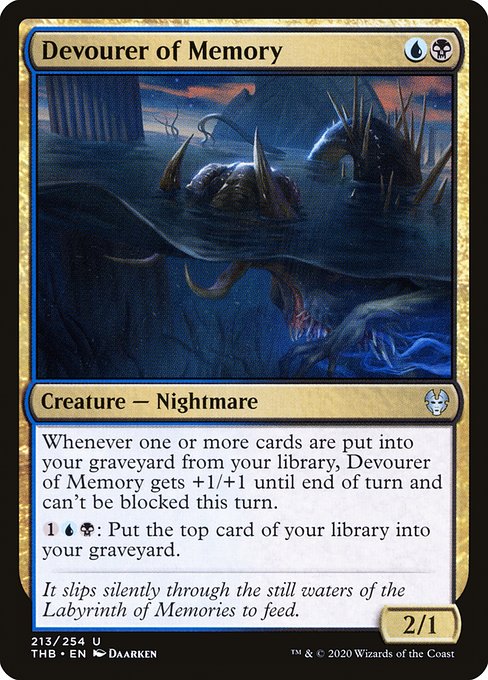
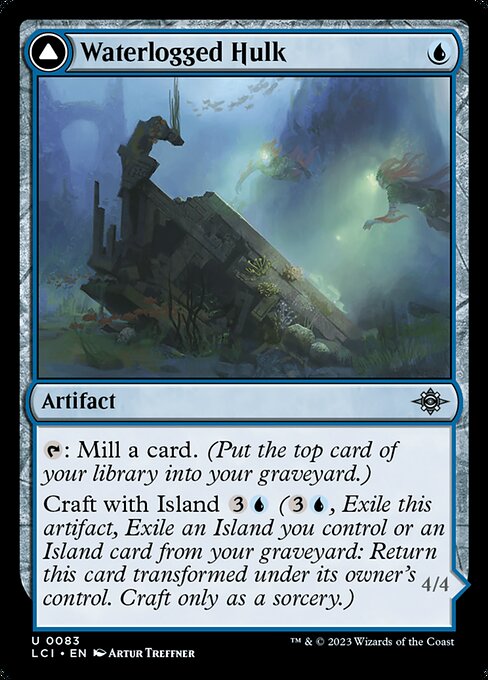
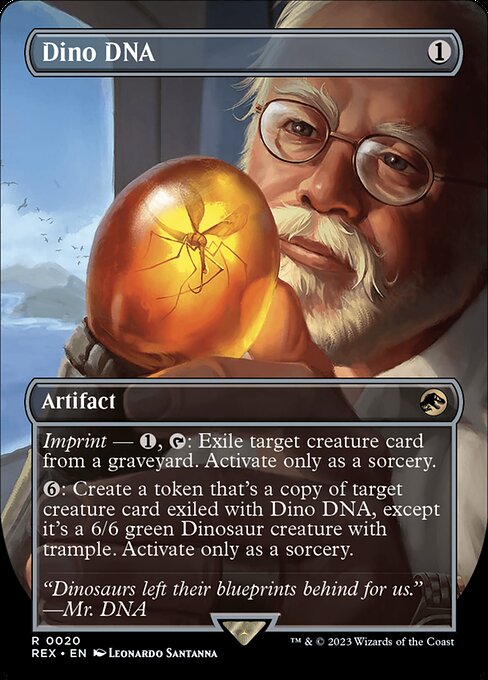
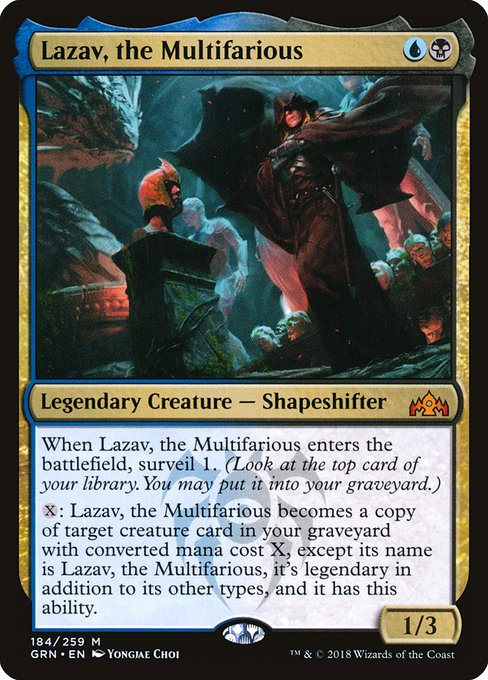
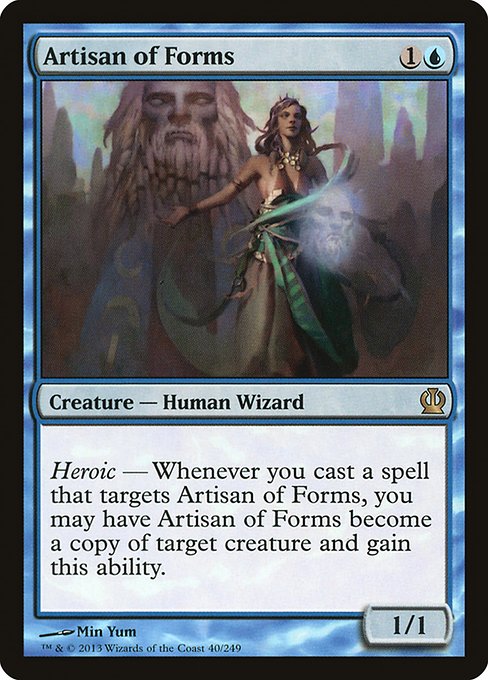
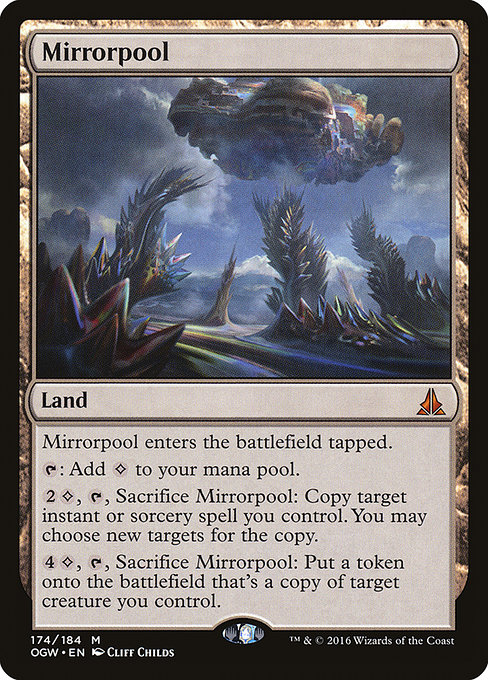
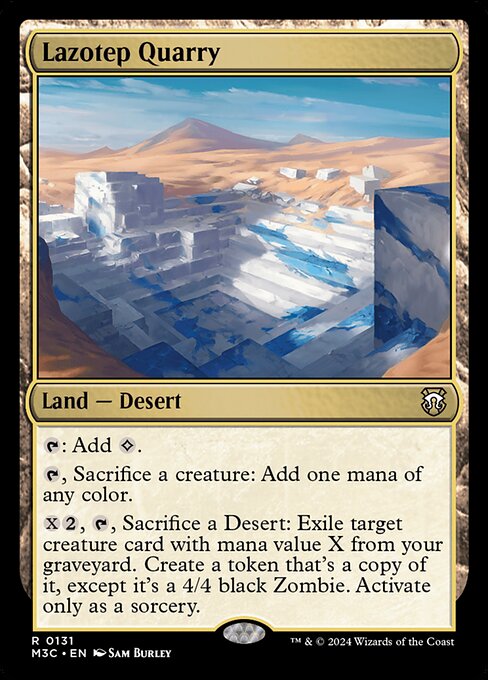
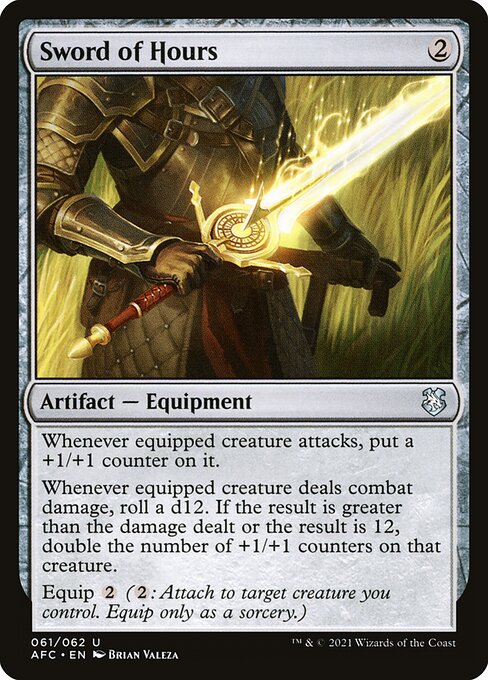
Ludevic wants a deck that fills its discard pile and plays cards back out of it. It also suits a deck that copies the best creature on the table.
Mana cost
Blue, Black ()
Power / toughness2 / 3
RarityRare
Whenever Ludevic enters or attacks, mill a card.
, Exile X creature cards from your graveyard: Transform Ludevic. X can't be 0. Activate only as a sorcery.
//
As this creature transforms into Olag, Ludevic's Hubris, it becomes a copy of a creature card exiled with it, except its name is Olag, Ludevic's Hubris, it's 4/4, and it's a legendary blue and black Zombie in addition to its other colors and types. Put a number of +1/+1 counters on Olag equal to the number of creature cards exiled with it.
Picked for what they do in Ludevic's deck. When two cards do the same job, the one with the lower comes first. All of them fit Ludevic's color identity.Mana ValueThe total amount of mana a card costs, all added up. A card costing two generic and one green has a mana value of three. Wizards renamed this from "converted mana cost" in 2021, so older cards and articles may still use the old name.Open the full glossary
explain how Ludevic works in tricky situations. They come from Wizards of the Coast, the company that makes Magic.RulingThe official answer to how a card works in a tricky situation. Most rulings are written by Wizards of the Coast, the company that makes Magic, and a few are notes from Scryfall, the card database Magic players use. A ruling explains a card. It does not change what the card says.Open the full glossary
Wizards of the Coast24 Sep 2021
If Olag becomes a copy of another transforming double-faced card that doesn't have nightbound, such as Delver of Secrets, abilities of it gains or other effects may cause it to transform. If it transforms this way, it does not become Ludevic again. The copy effect continues to apply and its characteristics don't change. If the creature it is a copy of has a triggered ability that occurs when it transforms, that ability will trigger.
Wizards of the Coast24 Sep 2021
If there are no creature cards exiled with Ludevic as it transforms, perhaps because those cards were removed from exile in response to its activated ability or it transformed another way, Olag won't be a copy of anything. Olag will simply be its 4/4 self with no +1/+1 counters.
Wizards of the Coast24 Sep 2021
It's possible for Olag to become a copy of a card with the daybound keyword ability as it transforms. If this happens, it doesn't transform as it becomes night.
Wizards of the Coast24 Sep 2021
Olag remains a copy of the creature card you choose even if that card later leaves exile.
Wizards of the Coast24 Sep 2021
You choose which exiled creature card Olag is copying as it transforms. It doesn't transform and then become a copy.
Color identityEvery color of mana symbol on a card, in its cost and in its rules text. Your commander's color identity sets the limit for your whole deck: every other card has to fit inside it. A deck led by a green and white commander cannot play a card with any blue in its color identity.Open the full glossaryUBPlayers write colors as letters: U for blue, B for black. Blue is U because B was already taken by black.Graveyard/Self-MillGraveyard decks fill their own graveyard on purpose, then play cards from it as if it were a second hand. Moving cards from the top of your own deck straight into the graveyard is called self-mill.Open the Graveyard/Self-Mill pageSelf-MillPuts cards from your OWN library into your graveyard on purpose. Milling means moving cards off the top of a library into a graveyard. Aimed at an opponent that is an attack; aimed at yourself it is setup, filling the graveyard for the cards that want to use what is in it. Stitcher's Supplier, Hermit DruidOpen the Self-Mill pageMana SinkGives you somewhere useful to spend spare mana, usually through an ability you can activate again and again. Rogue's Passage, Mind StoneOpen the Mana Sink pageGraveyard HateEmpties graveyards or stops cards from coming back out of them, shutting down decks built on reusing their graveyard. Bojuka Bog, Scavenger Grounds. It answers a whole plan rather than one card: without it, something like Eternal Witness keeps returning the same card all game.Open the Graveyard Hate pageCounter EngineAdds +1/+1 counters over and over rather than once. A counter here is a small permanent marker that raises a creature's power and toughness for good. It is not a counterspell, which is a different thing entirely. Something that adds them every turn makes your whole board bigger and keeps it that way. Hardened Scales, Corpsejack MenaceOpen the Counter Engine pageClonesClone decks copy the best creature on the battlefield, whoever owns it, so they always have one of the strongest things on the table. A copy also gets the original's 'when this enters' ability, so each clone can bring a fresh effect too.Open the Clones pageCloneCopies a creature or another permanent already on the battlefield. Copying the best thing on the table is often cheaper than casting something equally strong. Phyrexian Metamorph, Helm of the HostOpen the Clone page+1/+1 Counters+1/+1 counter decks put small markers on their creatures that make each one permanently bigger, and keep adding more every turn. Each +1/+1 counter adds one to a creature's power (the damage it deals) and toughness (the damage it can take).Open the +1/+1 Counters pageAttack TriggerTriggers when a creature attacks, so the reward comes from declaring the attack. You get it even if the creature is blocked. Sword of the Animist, Adeline, Resplendent CatharOpen the Attack Trigger pageLegends MatterCards that care about legendary cards: rewards for casting them, discounts, or bonuses for each one you control.Open the Legends Matter page
Send Us Feedback
What works, what's confusing, what you wish the site did. We read every one.
Not signed in? That is fine. We only keep what you write.
Optional. We only use it to reply to you.
Can we use Google Analytics cookies?
They show us which pages help people. No ads.
Privacy Policy


 Open the full glossary