- Commander Nexus
- Commanders
- Miles Morales // Ultimate Spider-Man
Command zone
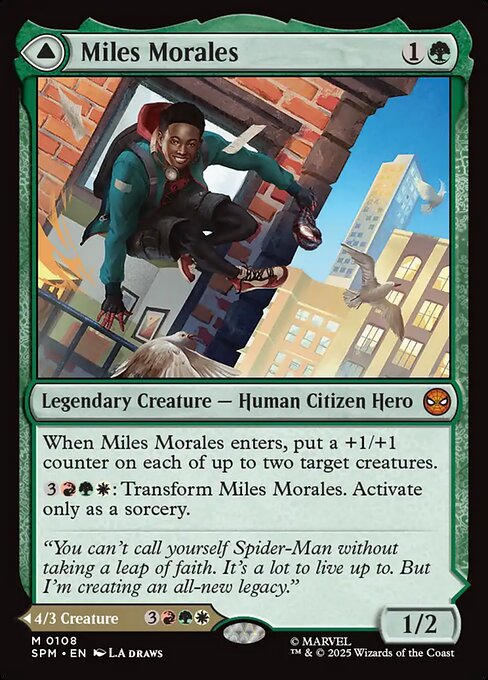
Miles Morales // Ultimate Spider-Man
Legendary Creature — Human Citizen Hero // Legendary Creature — Spider Human Hero
Miles Morales wants a deck that keeps making its creatures bigger turn after turn. It also suits a deck that loves coin flips, dice rolls and wild surprises.
- Mana cost


- White, Red, Green ()
- Power / toughness1 / 2
- RarityMythic
When Miles Morales enters, put a +1/+1 counter on each of up to two target creatures.


 : Transform Miles Morales. Activate only as a sorcery.
//
First strike, haste
Camouflage —  : Put a +1/+1 counter on Ultimate Spider-Man. He gains hexproof and becomes colorless until end of turn.
Whenever you attack, double the number of each kind of counter on each Spider and legendary creature you control.
Build a deck with Miles Morales Find it in the app
- Archetypes
- Themes
Cards That Fit Miles Morales
Picked for what they do in Miles Morales's deck. When two cards do the same job, the one with the lower comes first. All of them fit Miles Morales's color identity.Mana ValueThe total amount of mana a card costs, all added up. A card costing two generic and one green has a mana value of three. Wizards renamed this from "converted mana cost" in 2021, so older cards and articles may still use the old name. Open the full glossary
plan6



plan6


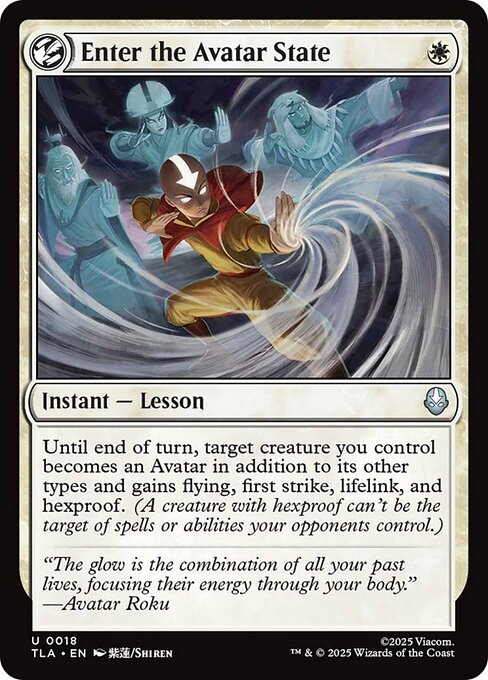

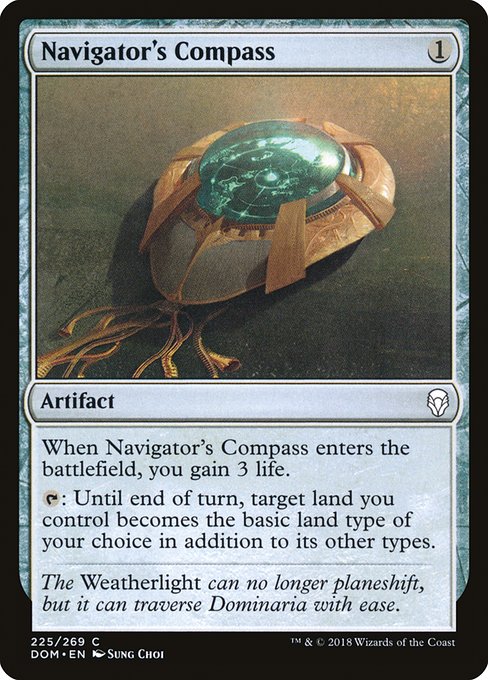
plan6


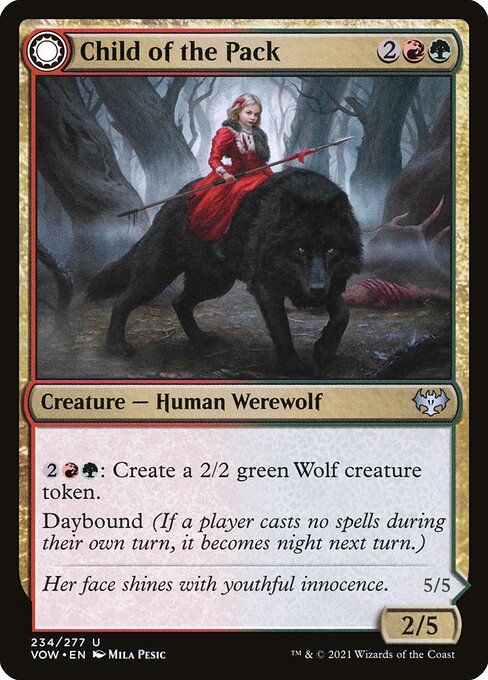


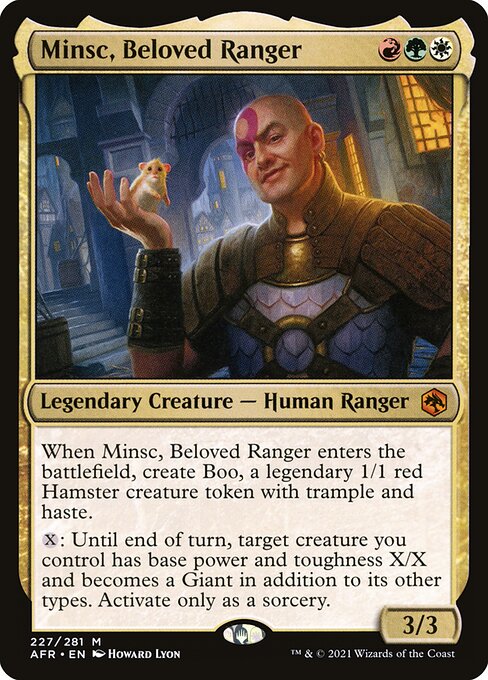


Rulings for Miles Morales
explain how Miles Morales works in tricky situations. They come from Wizards of the Coast, the company that makes Magic.RulingThe official answer to how a card works in a tricky situation. Most rulings are written by Wizards of the Coast, the company that makes Magic, and a few are notes from Scryfall, the card database Magic players use. A ruling explains a card. It does not change what the card says.Open the full glossary
A modal double-faced card can be transformed or be put onto the battlefield transformed. This is a change from previous rules. If an effect instructs you to transform a modal double-faced card on the battlefield, it transforms only if its other face has a permanent type (that is, if its other face isn't an instant or sorcery). If it doesn't, it simply won't transform. Similarly, if an effect attempts to put a modal double-faced card onto the battlefield transformed, it will enter transformed if its back face has a permanent type. If it doesn't, it will simply stay in its current zone.
Each double-faced card has an icon in the top-left corner of each face. For modal double-faced cards in this set, these icons are a single black triangle for the front face, and a double white triangle for the back face.
Each face of a double-faced card has its own set of characteristics: name, types, subtypes, abilities, and so on. While a double-faced card is on the stack or battlefield, consider only the characteristics of the face that's currently up. The other set of characteristics is ignored.
If an effect allows you to play a land or cast a spell from among a group of cards, you may play or cast a modal double-faced card with any face that fits the criteria of that effect.
If an effect allows you to put a card with particular characteristics onto the battlefield without instructing you to play or cast it, you consider only the characteristics of a modal double-faced card's front face to see if that card qualifies. If it does, it enters the battlefield with its front face up.
If an effect instructs a player to choose a card name, the name of either face may be chosen. If that effect or a linked ability refers to a spell with the chosen name being cast and/or a land with the chosen name being played, it considers only the chosen name, not the other face's name.
In the Commander variant, a double-faced card's color identity is determined by the mana costs and mana symbols in the rules text of both faces combined. If either face has a color indicator or basic land type, those are also considered.
One or both faces of a double-faced card may include a reminder about what's on the other face. This reminder text has no effect on gameplay.
The mana value of a modal double-faced card is based on the characteristics of the face that's being considered. On the stack or the battlefield, consider whichever face is up. In all other zones, consider only the front face. This is different than how the mana value of other double-faced cards is determined.
To determine whether it is legal to play a modal double-faced card, consider only the characteristics of the face you're playing and ignore the other face's characteristics.
While a double-faced card isn't on the stack or battlefield, consider only the characteristics of its front face.
11 rulings, all written by Wizards of the Coast. Read the originals on Gatherer ↗
Similar Commanders
Commanders that share the most with Miles Morales, and what they share.