- Commander Nexus
- Commanders
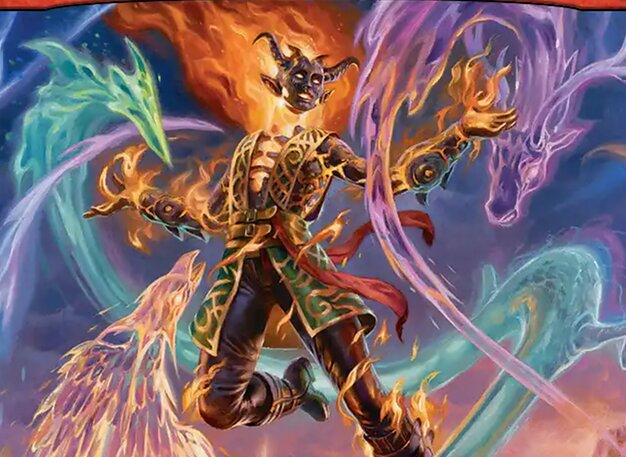
- Ashling, the Limitless
Command zone
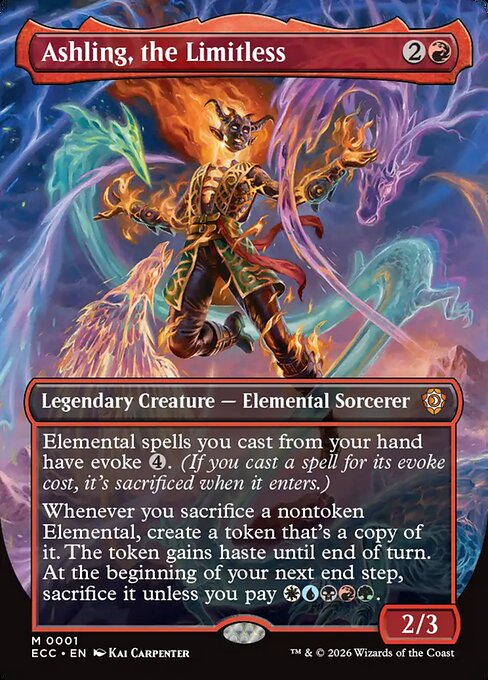
Ashling, the Limitless
Legendary Creature — Elemental Sorcerer
Ashling wants a deck that sacrifices its own creatures to drain opponents' life. It leads the ready-made Dance of the Elements deck (2026).
- Mana cost


- All five colors ()
- Power / toughness2 / 3
- RarityMythic
Elemental permanent spells you cast from your hand gain evoke  as you cast them. (If you cast a spell for its evoke cost, it's sacrificed when it enters.)
Whenever you sacrifice a nontoken Elemental, create a token that's a copy of it. The token gains haste until end of turn. At the beginning of your next end step, sacrifice it unless you pay 


 .
Build a deck with Ashling Find it in the app
- Archetypes
- Themes
-
- Elementals
- Sorcerers
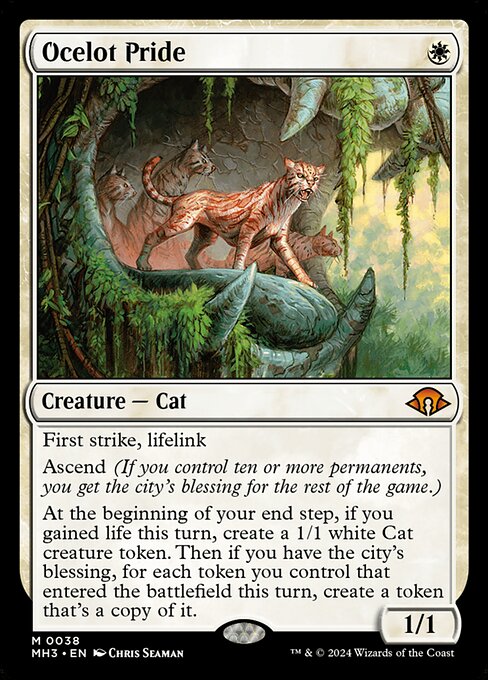
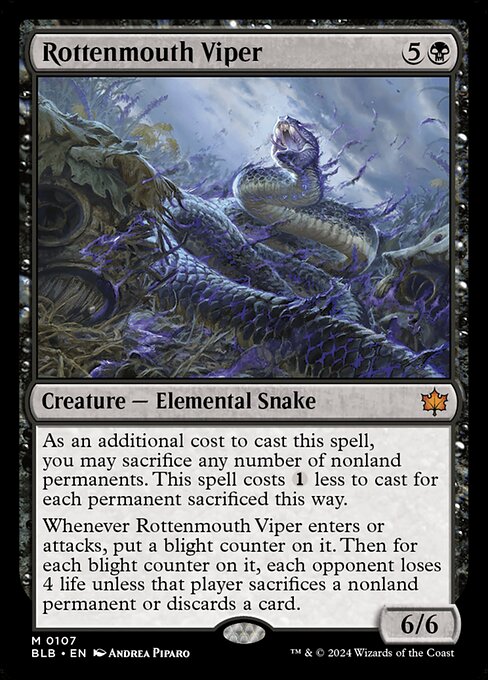
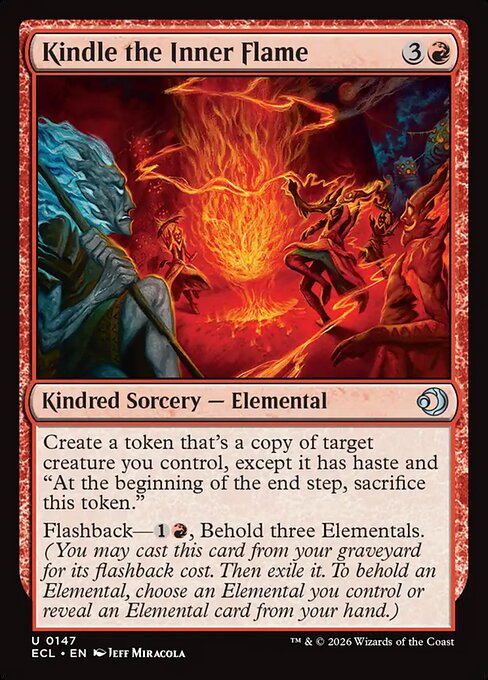
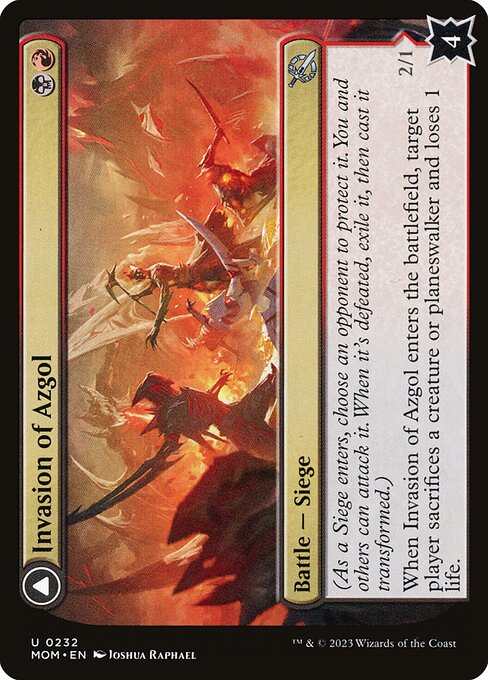
Cards That Fit Ashling, the Limitless
Picked for what they do in Ashling's deck. When two cards do the same job, the one with the lower comes first. All of them fit Ashling's color identity.Mana ValueThe total amount of mana a card costs, all added up. A card costing two generic and one green has a mana value of three. Wizards renamed this from "converted mana cost" in 2021, so older cards and articles may still use the old name. Open the full glossary
plan6
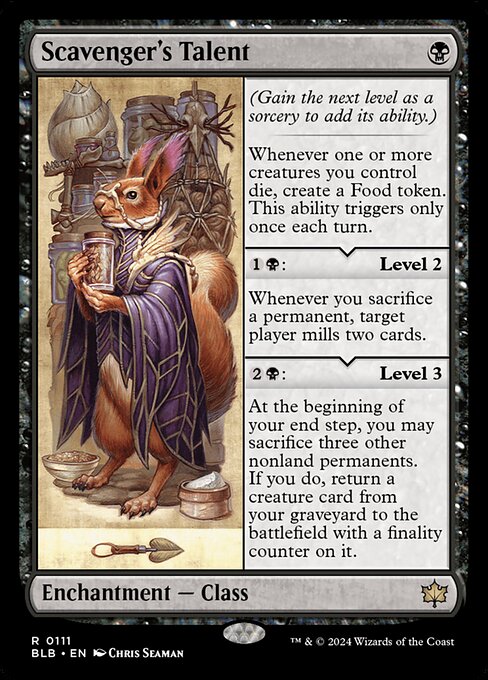
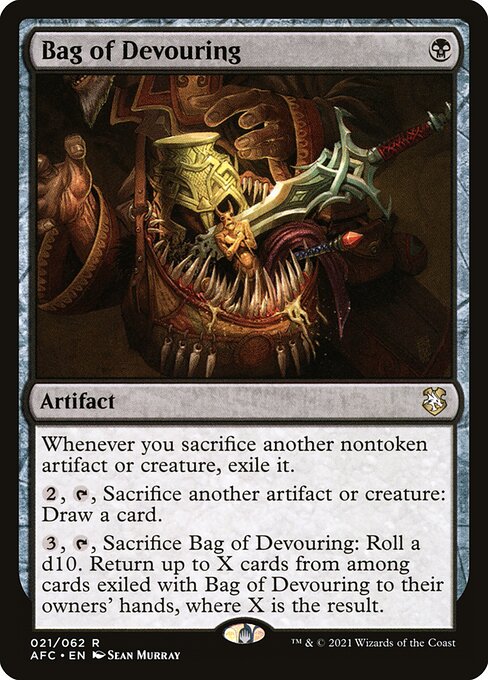


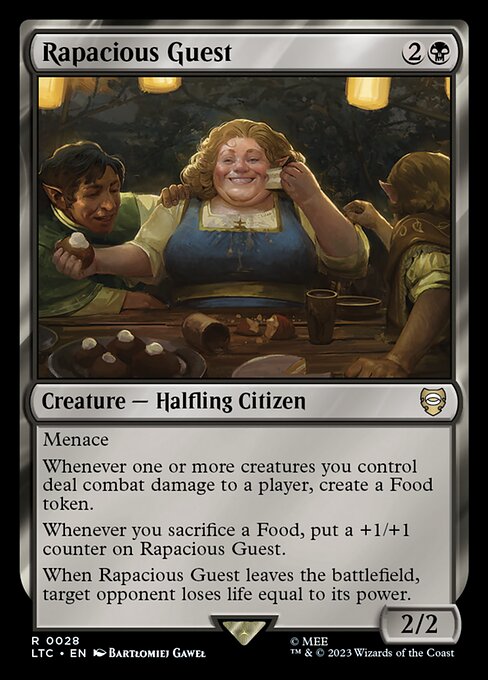

plan6
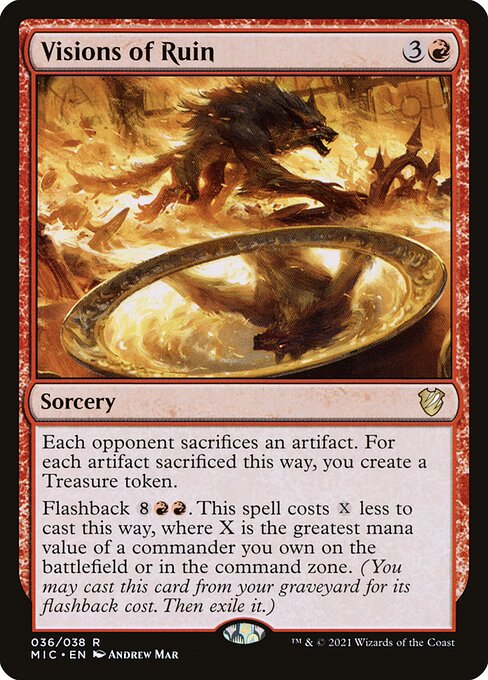
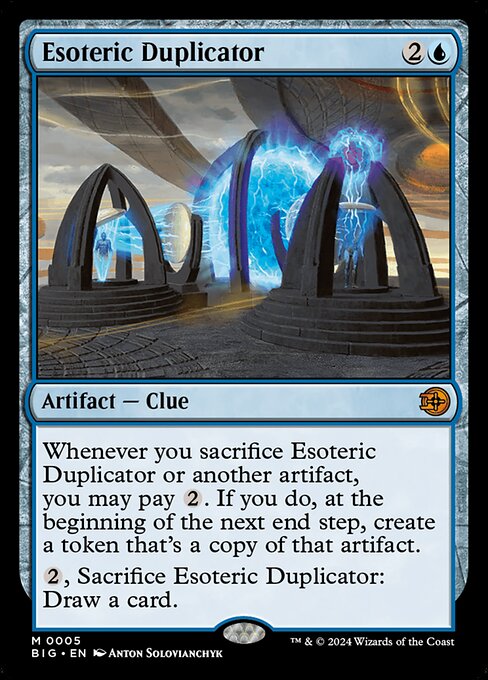
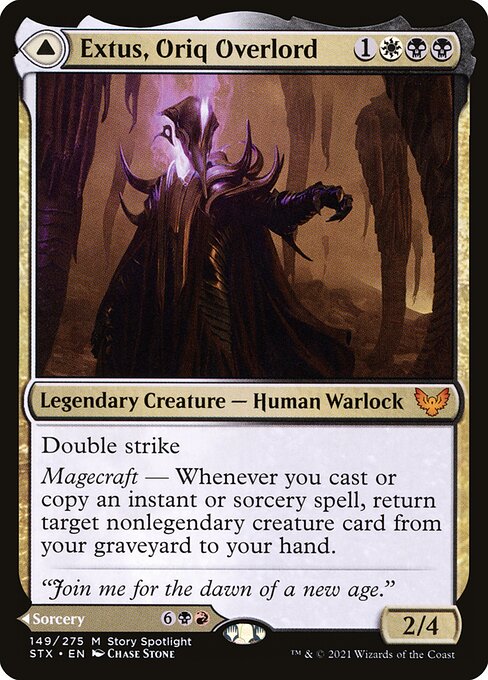


plan6
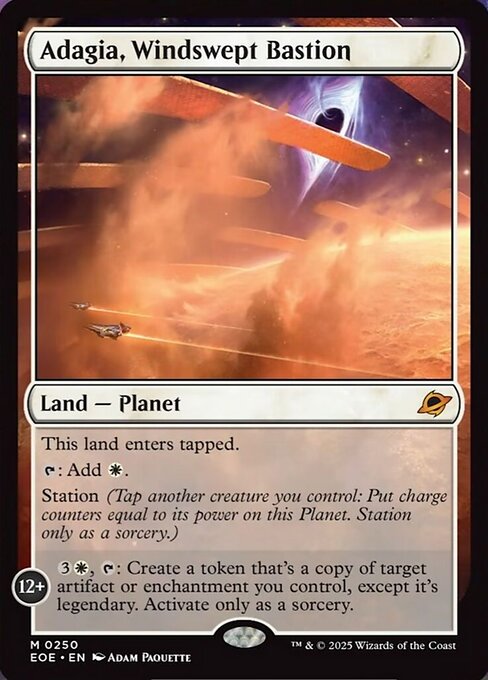

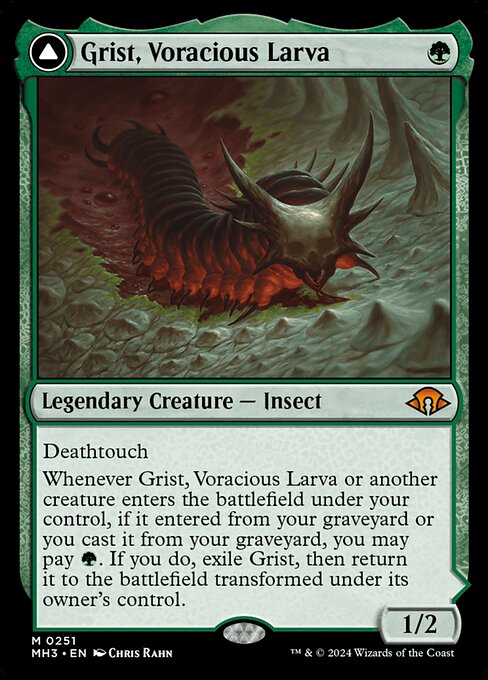




Decks Led by Ashling, the Limitless
Ashling leads a ready-made deck.PreconShort for preconstructed deck: a ready-to-play deck sold in a box by Wizards of the Coast. A Commander precon comes with its commander and all 100 cards, so you can play it straight away and change cards later.Open the full glossary
-
 Dance of the ElementsOfficial precon
All 100 Cards
Commander · 1
Creatures · 35
- 1×Avenger of Zendikar
- 1×Bane of Progress
- 1×Belonging
- 1×Cavalier of Thorns
- 1×Eclipsed Flamekin
- 1×Endurance
- 1×Faeburrow Elder
- 1×Flamebraider
- 1×Foundation Breaker
- 1×Fury
- 1×Greenwarden of Murasa
- 1×Horde of Notions
- 1×Impulsivity
- 1×Incandescent Soulstoke
- 1×Ingot Chewer
- 1×Jegantha, the Wellspring
- 1×Jubilation
- 1×Lamentation
- 1×Maelstrom Wanderer
- 1×Mass of Mysteries
- 1×Muldrotha, the Gravetide
- 1×Mulldrifter
- 1×Omnath, Locus of Rage
- 1×Omnath, Locus of the Roil
- 1×Realmwalker
- 1×Risen Reef
- 1×Selvala, Heart of the Wilds
- 1×Shimmercreep
- 1×Shriekmaw
- 1×Slithermuse
- 1×Smokebraider
- 1×Subterfuge
- 1×Titan of Industry
- 1×Vernal Sovereign
- 1×Yarok, the Desecrated
Instants · 5
Sorceries · 7
Artifacts · 5
Enchantments · 7
Lands · 40
- 1×Abundant Countryside
- 1×Ancient Ziggurat
- 1×Command Tower
- 1×Exotic Orchard
- 1×Flamekin Village
- 8×Forest
- 1×Frontier Bivouac
- 2×Island
- 1×Jungle Shrine
- 2×Mountain
- 1×Opal Palace
- 1×Opulent Palace
- 1×Path of Ancestry
- 2×Plains
- 1×Primal Beyond
- 1×Raging Ravine
- 1×Rain-Slicked Copse
- 1×Sandsteppe Citadel
- 1×Savage Lands
- 1×Seaside Citadel
- 1×Secluded Courtyard
- 1×Sodden Verdure
- 2×Swamp
- 1×Thriving Bluff
- 1×Thriving Grove
- 1×Thriving Heath
- 1×Thriving Isle
- 1×Thriving Moor
- 1×Unclaimed Territory
Rulings for Ashling, the Limitless
explain how Ashling works in tricky situations. They come from Wizards of the Coast, the company that makes Magic.RulingThe official answer to how a card works in a tricky situation. Most rulings are written by Wizards of the Coast, the company that makes Magic, and a few are notes from Scryfall, the card database Magic players use. A ruling explains a card. It does not change what the card says.Open the full glossary
Any enters abilities of the copied permanent will trigger when the token enters. Any "as [this permanent] enters" or "[this permanent] enters with" abilities of the copied permanent will also work.
If Ashling leaves the battlefield after you've cast an Elemental permanent spell and paid its evoke cost but before that spell resolves, the permanent that spell becomes will still have evoke when it enters. As such, the triggered ability represented by evoke will still trigger, and when that abiltiy resolves, you'll still have to sacrifice that permanent.
If the copied permanent had {X} in its mana cost, X is 0.
If the copied permanent was copying something else, then the token enters as whatever that permanent copied.
If you pay the evoke cost, you can have the creature's own triggered ability or abilities resolve before the evoke triggered ability. You can cast spells after that ability resolves but before you have to sacrifice the creature.
The token created by Ashling's last ability copies exactly what was printed on the original permanent and nothing else (unless that creature was copying something else; see below). It doesn't copy whether that permanent was tapped or untapped, whether it had any counters on it or Auras and Equipment attached to it, or any non-copy effects that changed its power, toughness, types, color, and so on.
To determine the total cost of a spell, start with the mana cost or alternative cost you're paying (such as an evoke cost), add any cost increases, then apply any cost reductions. The mana value of the spell is determined by only its mana cost, no matter what the total cost to cast that spell was.
7 rulings, all written by Wizards of the Coast. Read the originals on Gatherer ↗
Similar Commanders
Commanders that share the most with Ashling, and what they share.