- Commander Nexus
- Commanders
- Sedris, the Traitor King
Command zone

Sedris, the Traitor King
Legendary Creature — Zombie Warrior
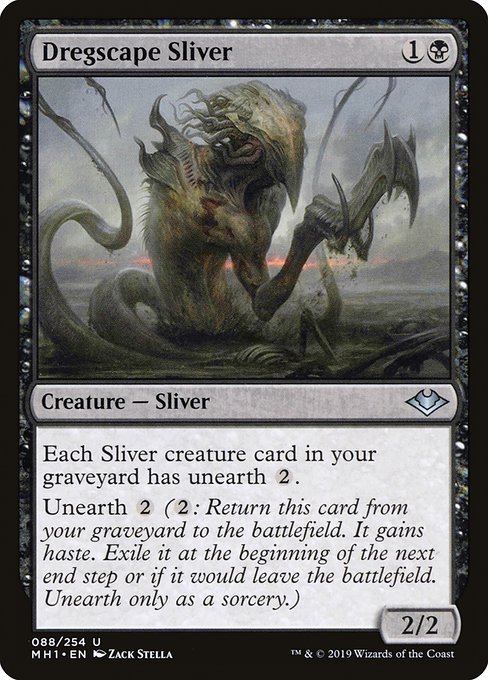
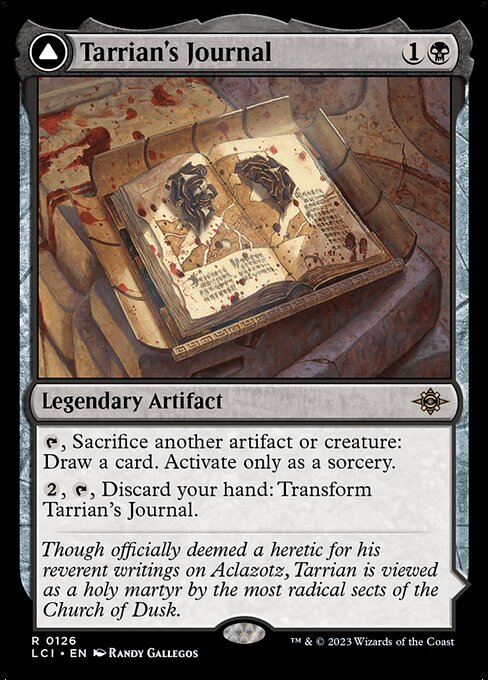
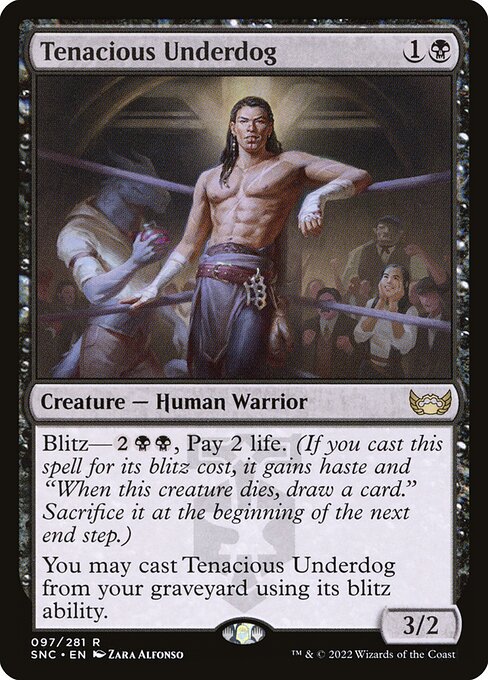
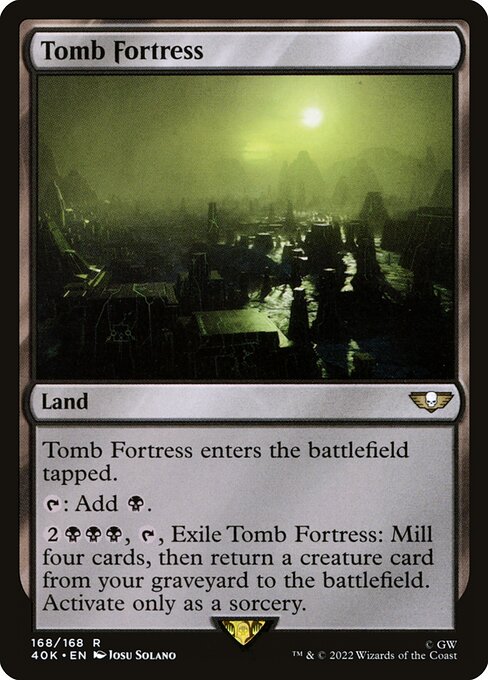
Sedris wants a deck that brings big creatures back from the discard pile. It also suits a deck that fills its discard pile and plays cards back out of it.
- Mana cost


- Blue, Black, Red ()
- Power / toughness5 / 5
- RarityMythic
Each creature card in your graveyard has unearth  . (: Return the card to the battlefield. The creature gains haste. Exile it at the beginning of the next end step or if it would leave the battlefield. Unearth only as a sorcery.)
Build a deck with Sedris Find it in the app
- Archetypes
Cards That Fit Sedris, the Traitor King
Picked for what they do in Sedris's deck. When two cards do the same job, the one with the lower comes first. All of them fit Sedris's color identity.Mana ValueThe total amount of mana a card costs, all added up. A card costing two generic and one green has a mana value of three. Wizards renamed this from "converted mana cost" in 2021, so older cards and articles may still use the old name. Open the full glossary
plan6





Rulings for Sedris, the Traitor King
explain how Sedris works in tricky situations. They come from Wizards of the Coast, the company that makes Magic.RulingThe official answer to how a card works in a tricky situation. Most rulings are written by Wizards of the Coast, the company that makes Magic, and a few are notes from Scryfall, the card database Magic players use. A ruling explains a card. It does not change what the card says.Open the full glossary
Activating a creature card's unearth ability isn't the same as casting the creature card. The unearth ability is put on the stack, but the creature card is not. Spells and abilities that interact with activated abilities (such as Stifle) will interact with unearth, but spells and abilities that interact with spells (such as Remove Soul) will not.
At the beginning of the end step, a creature returned to the battlefield with unearth is exiled. This is a delayed triggered ability, and it can be countered by effects such as Stifle or Voidslime that counter triggered abilities. If the ability is countered, the creature will stay on the battlefield and the delayed trigger won't trigger again. However, the replacement effect will still exile the creature when it eventually leaves the battlefield.
Despite the appearance of the reminder text, the unearth abilities that Sedris grants are activated abilities of each individual creature card in your graveyard. They're not activated abilities of Sedris.
If a creature returned to the battlefield with unearth would leave the battlefield for any reason, it's exiled instead — unless the spell or ability that's causing the creature to leave the battlefield is actually trying to exile it! In that case, it succeeds at exiling it. If it later returns the creature card to the battlefield (as Oblivion Ring or Flickerwisp might, for example), the creature card will return to the battlefield as a new object with no relation to its previous existence. The unearth effect will no longer apply to it.
If you activate a card's unearth ability but that card is removed from your graveyard before the ability resolves, that unearth ability will resolve and do nothing.
Sedris may cause a creature card in your graveyard to have multiple unearth abilities. (For example, a Fatestitcher in your graveyard would have unearth {U} and unearth {2}{B}.) You may activate either of those abilities.
Unearth grants haste to the creature that's returned to the battlefield. However, neither of the "exile" abilities is granted to that creature. If that creature loses all its abilities, it will still be exiled at the beginning of the end step, and if it would leave the battlefield, it is still exiled instead.
7 rulings, all written by Wizards of the Coast. Read the originals on Gatherer ↗
Similar Commanders
Commanders that share the most with Sedris, and what they share.