- Commander Nexus
- Commanders
- Elrond of the White Council
Command zone

Elrond of the White Council
Legendary Creature — Elf Noble
Elrond of the White Council wants a deck that loves coin flips, dice rolls and wild surprises. It also suits a deck that turns its opponents against each other.
- Mana cost


- Blue, Green ()
- Power / toughness3 / 3
- RarityRare
Secret council — When Elrond enters, each player secretly votes for fellowship or aid, then those votes are revealed. For each fellowship vote, the voter chooses a creature they control. You gain control of each creature chosen this way, and they gain "This creature can't attack its owner." Then for each aid vote, put a +1/+1 counter on each creature you control.
Build a deck with Elrond of the White Council Find it in the app
- Archetypes
Cards That Fit Elrond of the White Council
Picked for what they do in Elrond of the White Council's deck. When two cards do the same job, the one with the lower comes first. All of them fit Elrond of the White Council's color identity.Mana ValueThe total amount of mana a card costs, all added up. A card costing two generic and one green has a mana value of three. Wizards renamed this from "converted mana cost" in 2021, so older cards and articles may still use the old name. Open the full glossary
plan6




plan6
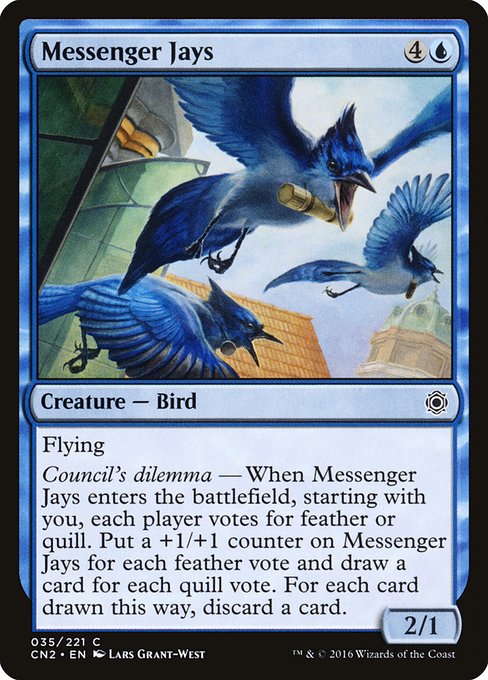


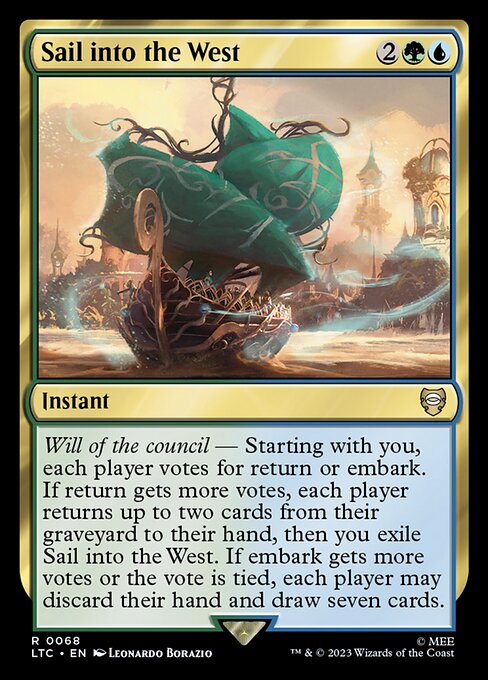

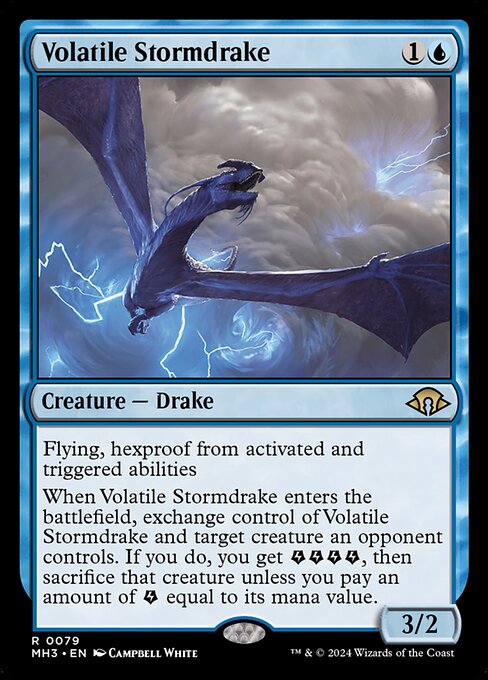
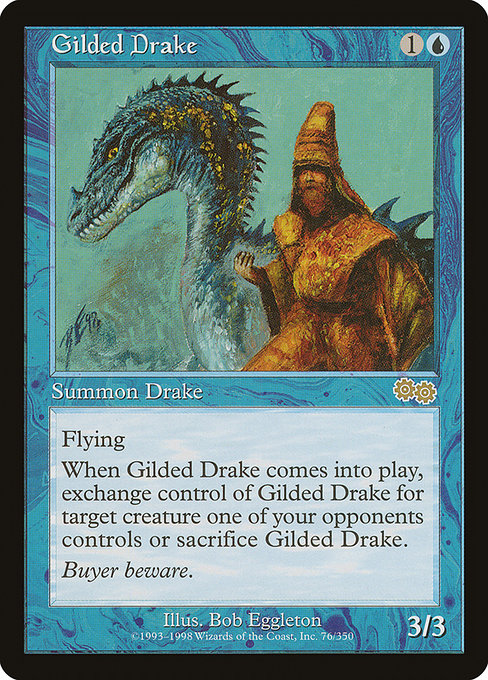


Rulings for Elrond of the White Council
explain how Elrond of the White Council works in tricky situations. They come from Wizards of the Coast, the company that makes Magic.RulingThe official answer to how a card works in a tricky situation. Most rulings are written by Wizards of the Coast, the company that makes Magic, and a few are notes from Scryfall, the card database Magic players use. A ruling explains a card. It does not change what the card says.Open the full glossary
Abilities that trigger "whenever players finish voting" trigger once all players have voted or once all secret votes are revealed, but they won't go on the stack until the current spell or ability finishes resolving.
After the votes are revealed, starting with the player whose turn it is and proceeding in turn order, each player who voted fellowship chooses a creature they control for each of their fellowship votes. Then the controller of Elrond of the White Council's ability gains control of those creatures and they gain the listed ability. Finally, that player puts a +1/+1 counter on each creature they control for each aid vote.
Before secret votes are revealed, players may announce how they intend to vote, but they can't reveal what they actually wrote down until all votes are simultaneously revealed. Players can lie about how they intend to vote before the votes are revealed.
Each player must vote for one of the available options. They can't abstain.
If you control Elrond of the Secret Council's ability, it is usually best to vote for aid. Gaining control of a creature you already control is only occasionally helpful.
If you have multiple votes, you can vote for fellowship multiple times. If you do, you can choose the same creature each time.
No player votes until the spell or ability resolves. Any responses to that spell or ability must be made without knowing the outcome of the vote.
The phrase "the vote is tied" refers only to when there is more than one choice that received the most votes. For example, if a 5-player vote from among three different choices ends 3 votes to 1 vote to 1 vote, the vote isn't tied.
To secretly vote, each player writes down their chosen option without showing it to anyone else. Each player then keeps their vote secret until all players simultaneously reveal their votes.
9 rulings, all written by Wizards of the Coast. Read the originals on Gatherer ↗
Similar Commanders
Commanders that share the most with Elrond of the White Council, and what they share.