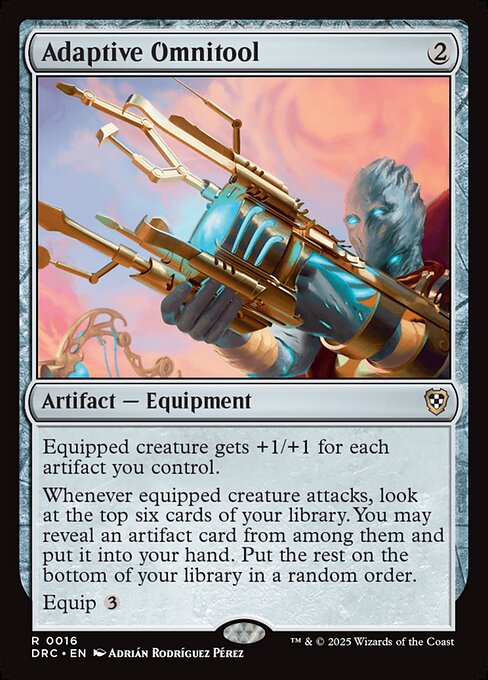
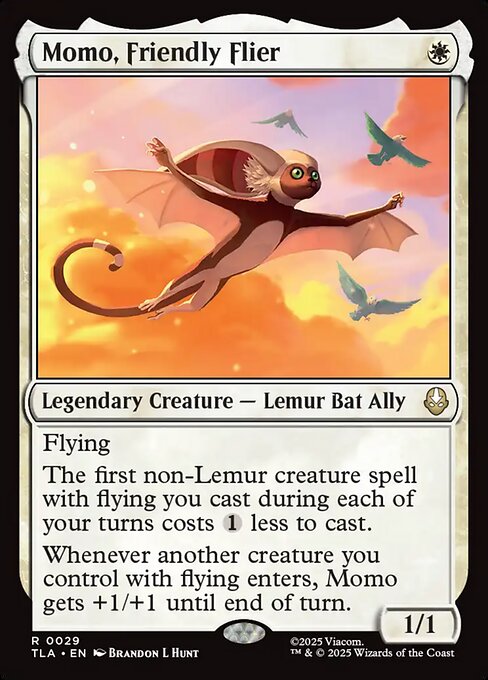
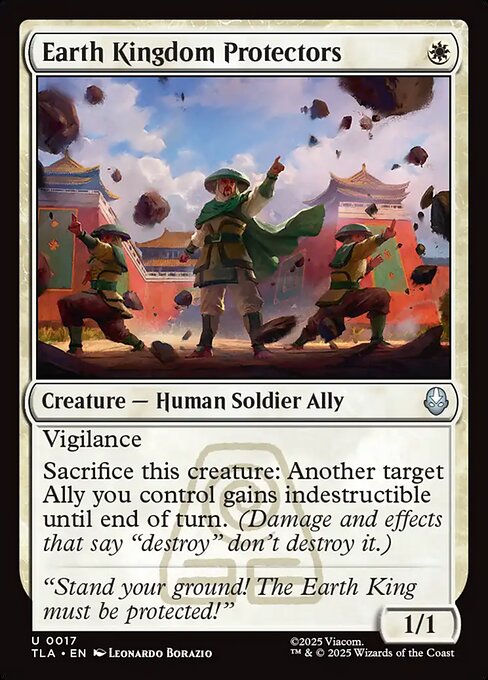
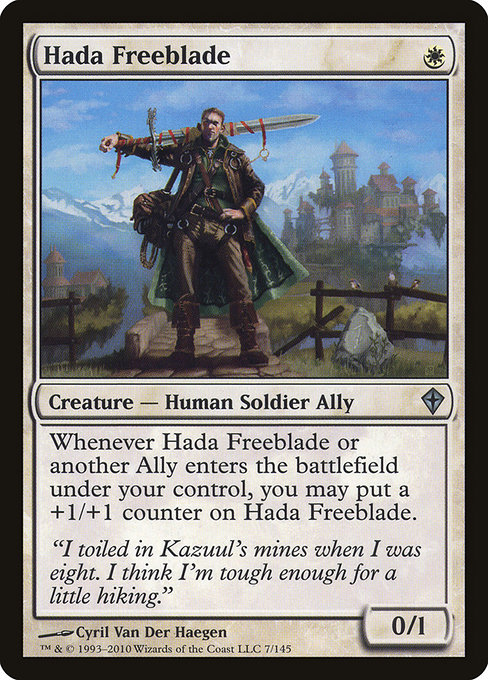
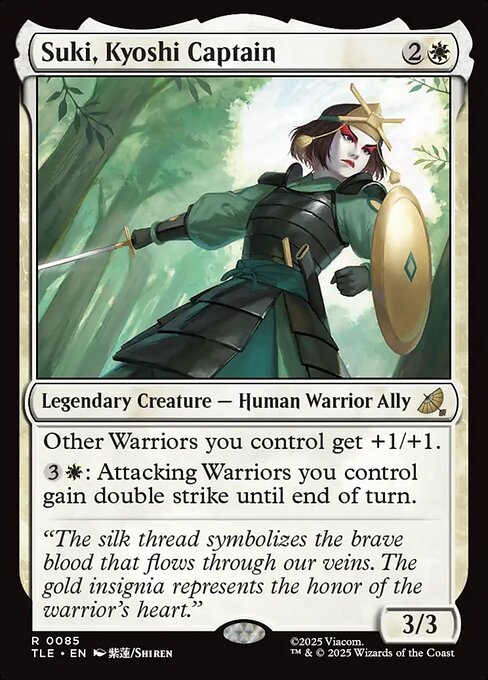
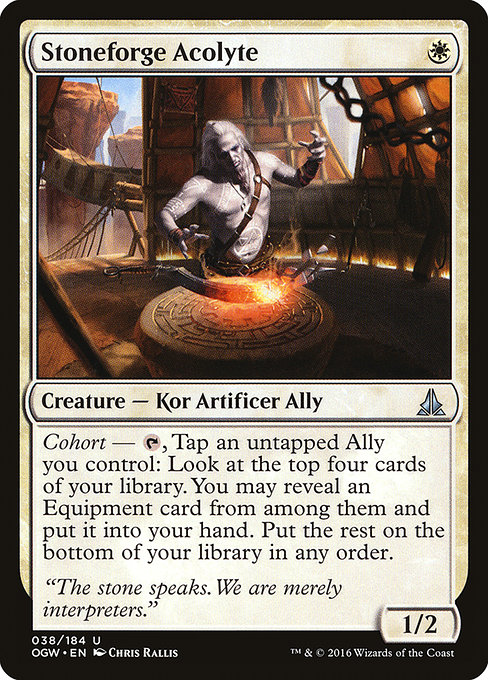
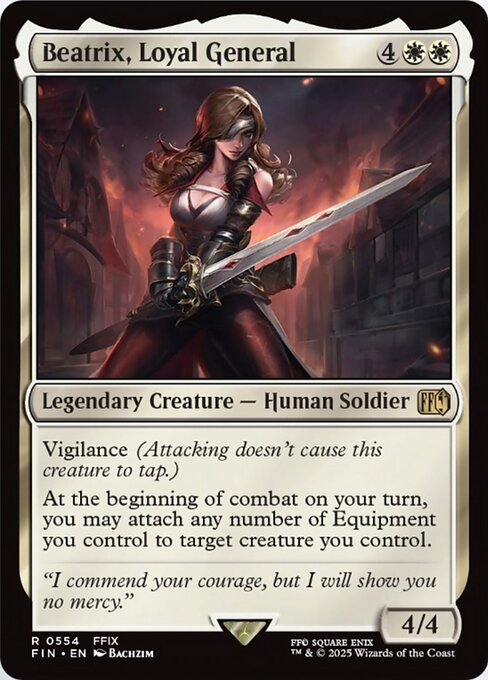
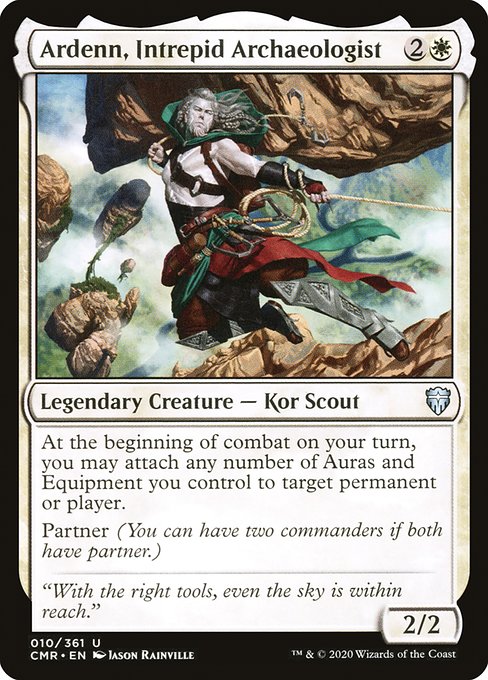
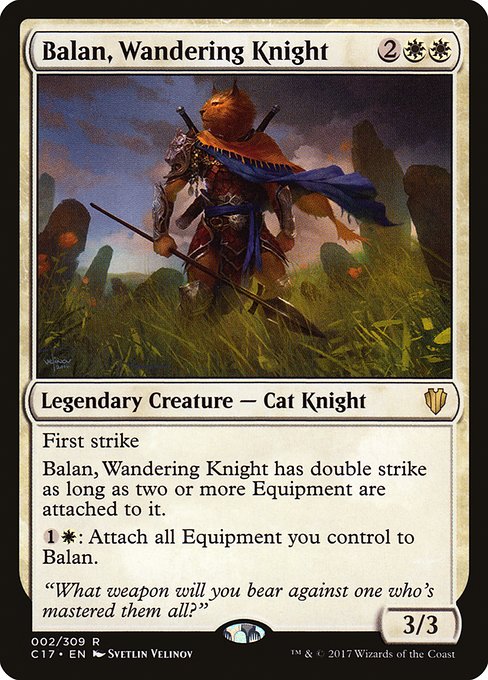
Sokka wants a deck that piles armor and magic onto one creature and attacks with it. It also suits a deck that arms its creatures with weapons and armor.
Mana cost
White ()
Power / toughness3 / 3
RarityMythic
Vigilance
Equipment spells you cast cost less to cast for each Ally you control.
At the beginning of combat on your turn, attach up to one target Equipment you control to Sokka.
Picked for what they do in Sokka's deck. When two cards do the same job, the one with the lower comes first. All of them fit Sokka's color identity.Mana ValueThe total amount of mana a card costs, all added up. A card costing two generic and one green has a mana value of three. Wizards renamed this from "converted mana cost" in 2021, so older cards and articles may still use the old name.Open the full glossary
explain how Sokka works in tricky situations. They come from Wizards of the Coast, the company that makes Magic.RulingThe official answer to how a card works in a tricky situation. Most rulings are written by Wizards of the Coast, the company that makes Magic, and a few are notes from Scryfall, the card database Magic players use. A ruling explains a card. It does not change what the card says.Open the full glossary
Wizards of the Coast2 Oct 2025
Once you announce that you're casting a spell, no player may take actions until the spell has been paid for. Notably, opponents can't remove Sokka to change by how much Equipment spell costs are reduced.
Wizards of the Coast2 Oct 2025
Sokka will count himself as an Ally for his second ability.
Wizards of the Coast2 Oct 2025
To determine the total cost of a spell, start with the mana cost or alternative cost you're paying, add any cost increases, then apply any cost reductions. The mana value of the spell remains unchanged, no matter what the total cost to cast it was.
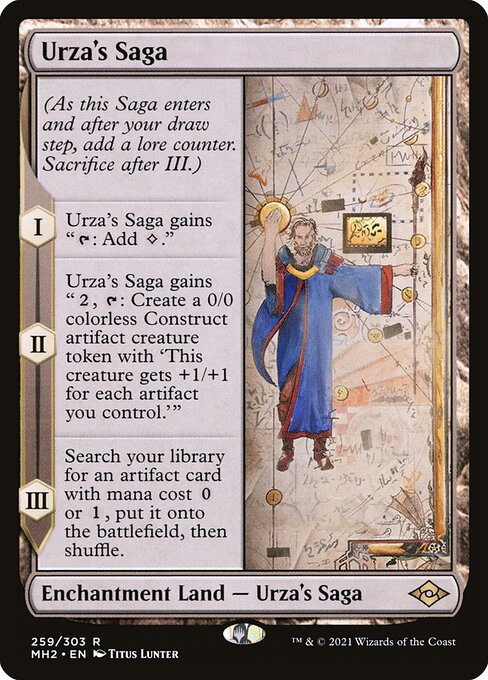
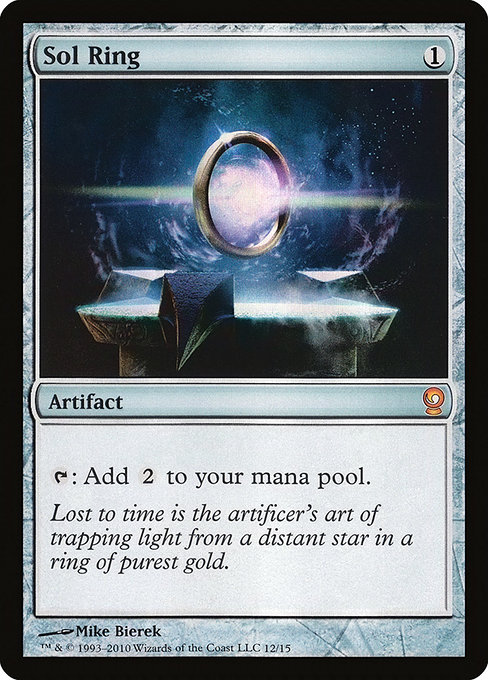
Color identityEvery color of mana symbol on a card, in its cost and in its rules text. Your commander's color identity sets the limit for your whole deck: every other card has to fit inside it. A deck led by a green and white commander cannot play a card with any blue in its color identity.Open the full glossaryWPlayers write colors as letters: W for white.VoltronVoltron decks load one creature, usually the commander, with Equipment and Auras until it can win by attacking on its own. In Commander, a player dealt 21 or more combat damage by the same commander over the game loses, so one huge commander can knock a player out.Open the Voltron pageVoltron CommanderA legendary creature that can carry the whole game plan by itself. It protects itself, grows with what is attached to it, or rewards attacking alone. The deck piles Auras and Equipment onto it and wins with commander damage, since 21 or more combat damage from one commander knocks a player out. Named for the toy robot built from smaller pieces. Zurgo Helmsmasher, Uril, the Miststalker, Sigarda, Host of HeronsOpen the Voltron Commander pageVoltron SupportHelps you stack Auras and Equipment onto a single creature: cheaper attaching, protection, or extra ways to suit it up. Hammer of Nazahn, Sigarda's AidOpen the Voltron Support pageEquipmentAn artifact that attaches to one of your creatures and makes it stronger. You attach it by paying its equip cost, which you can only do during your own turn when nothing else is happening, so a new Equipment does nothing until you pay. It stays behind when the creature dies, and you pay the equip cost again each time you move it. SkullclampOpen the Equipment pageEquipmentEquipment decks attach artifacts called Equipment to their creatures to make them bigger and harder to stop. You pay a cost to equip each one, and it stays on the battlefield when the creature dies, ready to move to the next.Open the Equipment pageTypal PayoffRewards you for playing lots of one kind of creature. That includes "lords" that make every other Goblin or Merfolk you control bigger, and cards that ask you to choose a creature type and then pay you off for it. A creature type is the word on the middle line of the card, like Goblin, Elf or Zombie.Open the Typal Payoff pageArtifact PayoffRewards you for having artifacts: counting them, triggering off them, or getting cheaper as you play more. Urza's Saga, Mox OpalOpen the Artifact Payoff pageArtifactsAn artifacts deck fills the battlefield with artifacts, cards like Sol Ring that stay in play and keep working turn after turn. Played together, they give you extra mana and extra cards. A handful of keywords turn up on artifacts again and again. Equip means you pay a cost to attach an Equipment such as Swiftfoot Boots to one of your creatures. If that creature dies, the Equipment does not go to your graveyard with it. It stays on the battlefield, and you can pay the cost again to attach it to another creature. Crew means you tap your own creatures with enough total power between them to turn a Vehicle such as Smuggler's Copter into a creature until the end of the turn. A Treasure is a token you can sacrifice (put into your graveyard on purpose) for one mana of any color. A token is a game piece that a card makes, not a card from your deck, and Pitiless Plunderer is one card that makes Treasures. Affinity makes a spell like Frogmite cheaper for each artifact you control. Unearth brings a card like Combat Courier back from your graveyard for one turn, and then it is exiled. Modular creatures like Arcbound Ravager enter with +1/+1 counters and pass them to another artifact creature when they die.Open the Artifacts pageCost ModificationChanges what a spell costs to cast: cheaper for you, or more expensive for everyone. It is the broad family; Cost Reducer and Spell Tax say which direction a given card goes. Herald's Horn, Foundry InspectorOpen the Cost Modification pageAlliesAllies range from Zendikar's adventurers to the heroes of Magic's Avatar: The Last Airbender cards. Many Zendikar Allies get a bonus whenever another Ally enters the battlefield under your control.Open the Allies pageCost ReducerMakes your own spells cheaper to cast. A discount every turn adds up faster than a single burst of mana. Herald's Horn, Foundry InspectorOpen the Cost Reducer page
Send Us Feedback
What works, what's confusing, what you wish the site did. We read every one.
Not signed in? That is fine. We only keep what you write.
Optional. We only use it to reply to you.
Can we use Google Analytics cookies?
They show us which pages help people. No ads.
Privacy Policy


 less to cast for each Ally you control.
 Open the full glossary